TRANSVERSO

- A culture magazine reaching terminal verbosity -

Bon Iver Debuts Tempestuous New Single, "33 'GOD,'" off '22, A Million'

New MusicSean McHughComment

Justin Vernon has released another single to precede Bon Iver’s highly anticipated September 30th release, 22, A Million, out on Jagjaguwar, conspicuously titled “33 ‘GOD.'” Arguably the most tamely titled track on an otherwise baffling slate of album tracks, “33 ‘GOD'” is magnificently nebulous in its genre depiction of this newest iteration of Bon Iver.

Where For Emma Forever Ago presented a solitary Vernon coming to terms with myriad personal crises (and creating never ending apocrypha of “the cabin”) and Bon Iver, Bon Iver offered a more musically magnanimous version of Bon Iver (and continued to challenge perceptions of “Bonny Bear”), “33 ‘GOD'” combines both.

The track almost comes off as a combative confluence of Bon Iver new and old - seemingly more expansive (a la Bon Iver, Bon Iver) in its warping musicality, all the while seeming more and more enclosed within Vernon’s personal narratives (For Emma), but being something wholly foreign to previous Bon Iver efforts as well.

Musically, the song is all over the place, but in the most ethereal of compositions – the track opens with soulful piano and heavily distorted samples of Paolo Nutini’s “Iron Sky,” along with Lonnie Holley’s “All Rendered Truth.” Sampling is new territory for Bon Iver, but not Vernon, as his famous collaborations with Kanye West have undoubtedly exposed the Eau Claire native to the act quite a bit.

When Vernon’s trademark Bon Iver falsetto comes in, its familiar, but with a more Kanye-esque auto tune timbre, which warps into a brooding howl at certain points as the heavily modded percussion rumbles toward spiritually pitched breaks that recall a less tempestuous Bon Iver; a Bon Iver far less realized than the one “33 ‘GOD'” present.

It should be noted that lyrically, the song features what is arguably Vernon’s most tangible allusion to personal experience – the Ace Hotel. But even with such a fact, The Ace Hotel is a chain, featuring 9 different locations, so insight into what personal allusion the reference holds in Vernon’s journey is still entirely shrouded – as Vernon undoubtedly would prefer it to stay.

It seems unlikely that Vernon will release any more tracks from 22, A Million considering there have already been three singles released prior to the album’s release, and “33 ‘GOD'” just so happened to release on the evening of the same day 22, A Million had its first substantial leak.

That being said, 22, A Million appears to be shaping up as a titan of the 2016 release schedule, and a certifiable top-5 album of 2016 contender.

http://smarturl.it/BI_22AM 22, A Million Out September 30 on Jagjaguwar Created/Produced/Directed by Aaron Anderson & Eric Timothy Carlson Artwork by Eric Timothy Carlson Source Video by Kyle Frenette

Hear Hamilton Leithauser + Rostam's New Single, "When The Truth Is..."

New MusicWeston PaganoComment

Hamilton Leithauser + Rostam's forthcoming collaborative LP, I Had A Dream That You Were Mine, is shaping up to be one of our favorite records of the year and we're only three tracks deep.

The latest taste of the album due out September 23 via Glassnote is "When The Truth Is...", a swanky blend of bottle slide guitar, steady piano plinks, and a jarringly splendid marriage of Leithauser's pipes with those of a saxophone. Listen below.

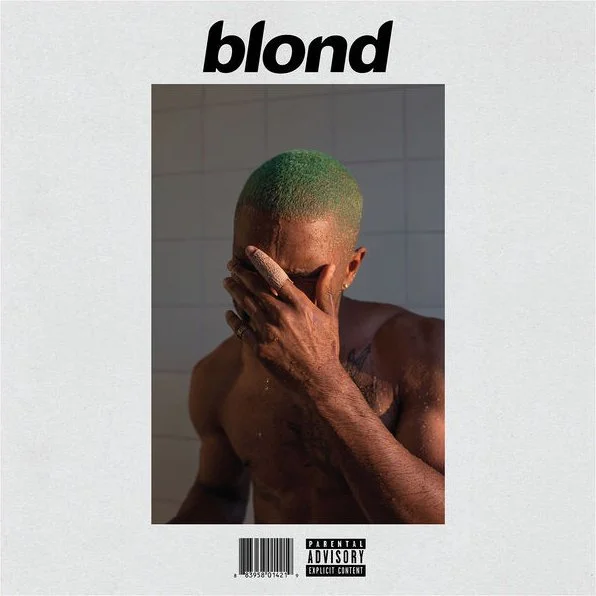
Frank Ocean Achieves an Opus in 'Endless' and a Triumph in 'Blonde'

Music ReviewEzra CarpenterComment

Regardless of how deftly Frank Ocean has eluded categorizations of his genre and sexuality, he could not escape his context. We all can be considered “products of our time,” but no artist in music has embodied such representation as artfully as Frank Ocean. From an industry perspective, Ocean has fully employed the practices of modern music business through mixtapes, surprise releases, and streaming exclusives; his professional choices are a Sign o’ the Times, as his hero Prince once sang.

But in an age of immediacy and artificiality, where modernity has rid us of the most organic components of creating art, Ocean chose to release the visual album Endless – a forty-five minute music video of three Frank Oceans constructing a staircase – to remind us of the protracted toils of creating… anything. Moreover, a five day stream of the carpentry featured in Endless preceded the album’s release. Was Ocean objecting to the contemporary culture of immediate music exchange with such a drawn out exhibition on long-winded process of creativity? Could he even protest such a thing when he himself owes nearly all of his fame and fortune to the internet? Was Ocean positing himself as an anti-generational spokesperson? No matter how long four years may have seemed, the album which broke Ocean’s hiatus forced fans to check themselves and question their impatient anticipation, and did so in a stroke of genius.

Endless is a unique multi-media presentation posing daunting, yet romantic, realist dilemmas. Time seems to be the obvious overarching subject of Endless. Its songs also explore love and hubris, but the visual platform of the album forces one to consider the focal points of Ocean’s lyrical matter in relation to the meaning behind his staircase construction. The best and most eloquent example of this is in the song “Wither,” in the line: “Pray [our children] get to see me wither.” The song’s minimalist instrumental brings the vocals to the forefront along with an earnest contemplation of the finite nature of life. The double entendre “see me wither [with her]” offers both a hope for long life and a desperate desire to share it with loved ones. While love forms the song’s thematic preoccupation, it ultimately becomes secondary to the protagonist’s worry of losing those he loves.

The production on Endless is highly experimental and quintessentially contemporary. Ocean incorporates rap vocal deliveries in the mode of Young Thug with highly electronic instrumentals and rapid-fire trap-style percussions. Ocean’s rap verses show a significant improvement from the verses previously released on his Tumblr. He demonstrates a greater command of cadence with bars that are less dense than previous and are more carefully spaced. A majority of the album is electronic, harkening to the style change made by Radiohead between 1997’s OK Computer and 2000’s Kid A. Ocean himself is undoubtedly influenced by the band, having incorporated Radiohead’s “Optimistic” (Kid A) as an interlude on his mixtape nostalgia, ULTRA and covering “Fake Plastic Trees” from Radiohead’s The Bends (1997) during his 2012 live campaign. Radiohead guitarist Johnny Greenwood even contributes string orchestration to the album’s opener. The stylistic transition towards the experimental alternative-electronic is a sign of maturation for Ocean who previously deferred to samples to obtain such an aesthetic.

But while Endless ventures into experimental territory, it retains the accessibility of Ocean’s singer-songwriting appeal. The album opens with a cover of the Isley Brothers’ “Let Me Know” (made famous by Aaliyah) accented with the dreaminess of Greenwood’s string orchestration. “Comme Des Garcons” and “Slide on Me” are enticingly catchy with their ascending melody and call-and-response chorus, respectively. Between the album’s most experimental tracks are minimalist R&B songs that highlight Ocean’s potent songwriting ability. Standout consecutive tracks “Rushes” and “Rushes To” evoke Bon Iver-esque composition with sparse guitar backing and alternatingly spaced and overlapping vocals. “Rushes To” offers Ocean signing at his most passionate, straining himself with exhaustive effort as he belts the closing lines of the song.

The lasting impression made by Endless is the balance between Ocean’s minimalist composition and the abstract free verse communicated through an ethereal electronic palate. He forces us to accept the new with the old, which creates a conundrum for fans who may not be able to access the album’s experimentalism. Creatively, Endless is an opus which refocuses our awareness of our humanity through an ode to love, loneliness, and desire. It is in one sense, however, a detriment to the artist.

A day after the release of Endless, Ocean released a proper LP entitled Blonde, a more accessible album which absolves Ocean of the predicament of profitability. The album opens with the luscious “Nikes,” a dizzyingly atmospheric track featuring pitch-altered rap verses which carry over the abstract content of Endless. The song transitions into a more nimble instrumental of acoustic guitar plucking layered with soaring synths. Aesthetic seems to be song’s focus. The “Nikes” music video features Frank surrounded by cars sipping the contents of a Styrofoam cup, suggestive of some codeine-infused drink. It is the perfect visual for a song that perfects the disorienting and droning hip-hop production made popular by A$AP Rocky.

The ensuing song is one that Ocean performed during his 2013 California Live, You’re Not Dead Tour. On “Ivy,” Ocean sings about a love fallen apart, the nostalgia of a blooming friendship, and the disconnect between estranged lovers. The song’s pitch-altered vocals detract from the sincerity of its beautiful lyrics, effectively conveyed through Ocean’s live performances of it. Over the high reverb of dream-pop guitars, “Ivy’s” lyrical substance seems cheapened by the artificiality of the song’s production. Ocean appears to compensate for this creatively at the song’s outro with sounds of instruments thrown around a room in the distance, accentuating the frustration expressed in the lyrics. But the mere seconds in which this frustration manifests doesn’t recompense the botching of what would have been a beautiful and endearing song.

Blonde is consistently minimalist in its instrumental arrangement. Simplistic, yet catchy, piano and Rhodes melodies on “Pink + White” and “Solo,” respectively, yield some of Ocean’s most sing-along moments. Harmonies contributed by Beyoncé featured on “Pink + White” hilariously distract listeners from the song’s message of futility.

Several songs overtly borrow lyrical elements from Ocean’s influences, the most obvious being “Close to You,” which draws both its title and chorus melody from the Carpenters’ single of the same name. “White Ferrari” borrows from The Beatles’ Revolver (1966) hit “Here, There, and Everywhere;” Ocean singing the line “Spending each day of the year” in the melody originated by Paul McCartney. In these two songs, Ocean draws from two of the most iconic and commercialized pop acts in music history. It is no wonder then that Blonde’s appeal reaches a much broader audience than Endless.

But Blonde’s accessibility doesn’t diminish Ocean’s potency as a songwriter. The album’s most heart-rending single “Seigfried” tells of a man struggling to find his fit in the world. Also performed on the California Live Tour, “Seigfried” retains the minimalist arrangement featured in its live performance, again bringing Ocean’s vocals and lyrics to the forefront. Lyrical gems “I’m living in an idea / An idea from another man’s mind” effectively invokes feelings of displacement while the closing lines of “I’d do anything for you / (In the dark)” deliver a potent sense of desperation.

Ocean makes references to several real-life friends of his across the album, giving Blonde a deeply personal and seemingly autobiographical feel. The album closes with recordings of his friends interviewed in low fidelity while a dancing synth melody creates a sense of nostalgia. Questions asked in this recording, such as “How far is a light year?” remind listeners of the simple joy of sharing the company of childhood friends. This substance found in these interview tapes is not found in the exchange of dialogue, but rather, the realization of time passed between good friends, understood in the youthfulness of their voices.

Though the dual-release of Endless and Blonde consequentially forces the two to be compared against each other – a comparison in which Blonde loses creatively but wins with fans – Ocean’s choice to release two separate albums simultaneously is remarkably brave. As we began when he first revealed his queer sexuality, we may continue to know Ocean for his courage. We have all the reason to believe in his creative direction; so far, he has yet to miss a step doing things his way.

Watch Frank Ocean's Provocative New Music Video, "Nikes"

New MusicEzra CarpenterComment

Apple's Music's promise of new Frank Ocean material is coming to fruition as the streaming service released the music video for a new song entitled "Nikes" just one day after Frank Ocean's visual album Endless dropped on the same platform, featuring contributions from Radiohead's Johnny Greenwood, James Blake, Sampha Jazmine Sullivan, and electronic producer Arca.

"Nikes"'s music video begins with images of young people shot with various qualities of cameras before transitioning into a shot of Ocean (a car fanatic) sitting alone surrounded by cars and drinking from a styrofoam cup. From that point onward there are tributes to Trayvon Martin, A$AP Yams, and Pimp C, before descending into a sensory overload of provocative images of nude women covered in glitter, Ocean being lit on fire, and at one point even a dog mouthing the lyrics. See the (NSFW) video below and find Endless on Apple Music.

First Impressions: Notes on Frank Ocean's Visual Album 'Endless'

Music News, New MusicEzra CarpenterComment

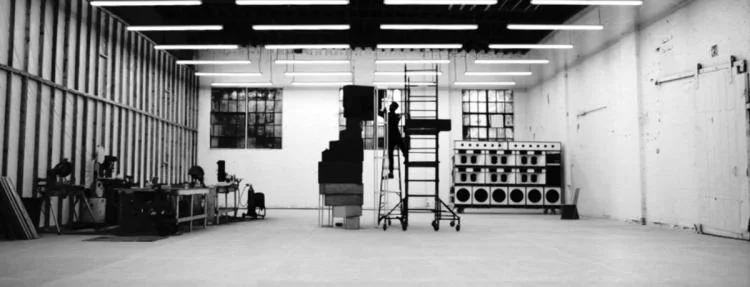
Four years of anticipation came, at least in part, to an end yesterday night as Frank Ocean released his visual album Endless through Apple Music - the apparent precursor to an LP proper to come later this weekend. The video, set in the same white-washed warehouse where Frank Ocean broadcasted his website's livestream last week, is roughly 45-minutes long and plays new material behind black-and-white visuals of Ocean constructing a staircase. Transverso took to pen and pad to record some initial thoughts on Endless: 

"Device Control"

  • We return to the warehouse seen in Frank Ocean's live stream; an imposing, stoic voice speaks.

"At Your Best (You Are Love) (Isley Brothers cover)"

  • Two impressions of Frank Ocean work away on workbenches, cutting wood on saws.  
  • The song playing seems to be the studio version of the Isley Brothers/Aaliyah cover Frank Ocean released the day after Aaliyah's birthday last year. 
  • A third Frank Ocean figure emerges.
  • The traditional R&B lyrics of the song, paired with the images of Frank Ocean working construction, convey "love" as industrious.

"Alabama"

  • Descending piano melody plays as Frank opens with quasi-rap verses. 
  • Vocals come in split between the left and right channels, creating an overlapping and disorienting spatial effect. 
  • Distortion on the closing vocals evokes iLoveMakonnen. 

"Mine"

  • Transition between songs is quite unclear. 
  • "Mine" may be an interlude or a song beginning with the forthcoming rap vocals. 

"U-N-I-T-Y"

  • General note: wardrobe changes have occurred with each song.
  • Rap vocals demonstrate a strong improvement in Ocean's rap delivery; his cadence is more carefully paced and restrained compared to rap verses he previously released through his Tumblr. 
  • Rapping style is most kin to that of Earl Sweatshirt's slowest moments on "Doris."

"Ambience 001: 'In a Certain Way'"

  • Interlude plays a record sample of dialogue (seemingly from a film). 

"Commes Des Garcons"

  • Eclectic vocal delivery early on. 
  • Deftly layered synths, vocals, and drum kits.
  • Tempo increase after chorus leads to instrumental based on chamber drums, faint synths, and artificial snares.

"Ambience 002: 'Honeybaby'" 

  • Another brief interlude features the scorching wails of a soul singer crying "Honeybaby."

"Wither"

  • Noise from construction can be heard quite noticeably; one of few times, if not the first, this has happened in the video.  
  • Instrumental is a widely spaced chord progression on a Rhodes. 
  • Frank Ocean's vocal style and signature vocal registers seem unchanged. 
  • Jazz bass-backing is faintly reminiscent of Thundercat. 

"Hublots"

  • Another interlude whose beginning and end cannot be precisely determined without reference.

"In Here Somewhere"

  • Non-vocalist quasi-rap into.
  • Vocal layering compliments sparse synth instrumental. 
  • Varying vocals may be a pitch-altered Ocean, another artist, or  a sample.

"Slide on Me"

  • Slow guitar arpeggios form the foundation for this instrumental. 
  • Instrumental layered with synth-bass backing and hissing and fluttering drum kit accents. 
  • Vocal reemploy split-channel spatial effects.
  • Ocean appears to be spray-painting rectangular boxes black; this is one of the last visuals featured on Ocean's live stream. The boxes are transferred from an aerosol protected paint room to the main warehouse. 
  • Synth outro has a very ethereal aesthetic. 

"Sideways"

  • Another rap verse from Frank. 
  • Instrumental sputters in and out in a tremolo-style break. 
  • Ocean stacks the boxes by sliding one end over a standing metal rod, forming what seems to be a staircase. 
  • The steps increase in color from bottom to top; from a natural wood grain to black.

"Florida"

  • Interlude featuring chorus vocals accented by layers of harmonies sung by Ocean. 

"Deathwish (ASR)"

  • Instrumental features distant, distorted, high-register vocals.
  • Waning synths are layered with trap-style percussion. 
  • General note: Album is highly contemporary. It incorporates elements of contemporary hip-hop (Young Thug, iLoveMakonnen) without seeming fadish or gimmicky. 

"Rushes"

  • Elongated strums on electric guitar form the base of this widely spaced instrumental. 
  • The staircase is now approximately 7 feet tall. 
  • Song features a female vocal contribution. 
  • Latter end of the song features an increasing distortion on Frank's vocals. 
    • Sounds like what Kanye wished the vocals on My Beautiful Dark Twisted Fantasy sounded like. 

"Rushes/Rushes To"

  • The electric guitar instrumental of "Rushes" carries over in greater distortion.
  • High-tempo, bass-heavy spattering percussion.
  • Electronic track serves as either the outro to "Rushes" or the intro to "Rushes To."

"Rushes To"

  • Acoustic guitar instrumental.
  • Song is the most minimal of the album. 
  • Moments of double-tracked vocals. 
  • The closing vocals feature Ocean at his most passionate; it is at the song's end that he strains his voice the most. 

"Higgs" 

  • Dancing instrumental of what sounds like an electronic steel drum. 
  • Slow rap vocal delivery.
  • Some would consider the instrumental to be trip hop. 
  • Shot closes in on Franks lower legs as he climbs the stairs. 
  • The scene then cuts to the visuals featured at the beginning of the video. 

Outro

  • The stoic voice featured at the introduction continues its dialogue. 
  • Dialogue breaks into an avant garde garage house track. 

Notably Missing from Endless

  • New songs performed on Ocean's California Live, You're Not Dead Tour (2013). 

Upon first listen, the extent to which Ocean has broadened his range of musical influences and output is truly impressive. Considering his admiration for Radiohead, the electronic palate of the new material draws a (dare I say) warranted comparison to the magnitude of growth Radiohead demonstrated between Ok Computer (1997) and Kid A (2000). Yet with all that we have been given to savor from this visual album, an additional release is reported to still be due this weekend.

Phantogram Makes Our "Cruel World" a Little Better With Third 'Three' Single

New MusicWeston PaganoComment

Phantogram premiered their third Three single, "Cruel World," on Beats 1 today. Featuring a drum machine sonic collage reminiscent of "Don't Move," the sharp, two and a half minute long track seems primed for car commercial levels of ubiquity, but would be one we wouldn't mind hearing around for a while.

Complete with the nice subtle touch of the warm fuzz of a vinyl spin like we first heard on "When I'm Small," the full recorded version of "Cruel World" with all its production tricks more than meets the expectations set when the duo debuted it at their Lollapalooza aftershow almost three weeks ago.

Three, which also includes previous singles "You Don't Get Me High Anymore" and "Run Run Blood," has had its release date pushed back and is now due out October 7th via Republic.

After Five Years Bon Iver Announces New Album, '22, A Million,' Releases Two New Tracks

New Music, Music NewsSean McHughComment

Hold onto your high and tight fades you hipster hopefuls, Justin Vernon has returned from the proverbial woods to bestow yet another (seemingly) immaculate album via Bon Iver (or “Bonny Bear,” if you have only a casual predilection), entitled 22, A Million.

This might seem like yet another “surprise” release in a year that has been saturated with irrefutably tiresome “event” music cycle, but in true Vernon fashion, promotion for the new record has been under operation in plain site for months (even years). The first indication is the conception of Vernon’s passion project, Eaux Claires Music and Arts Festival - which Vernon co-founded with The National’s Aaron Dessner. A festival, which was indicated as an annual event in which Vernon would be able to premiere various Bon Iver and non-Bon Iver, related works.

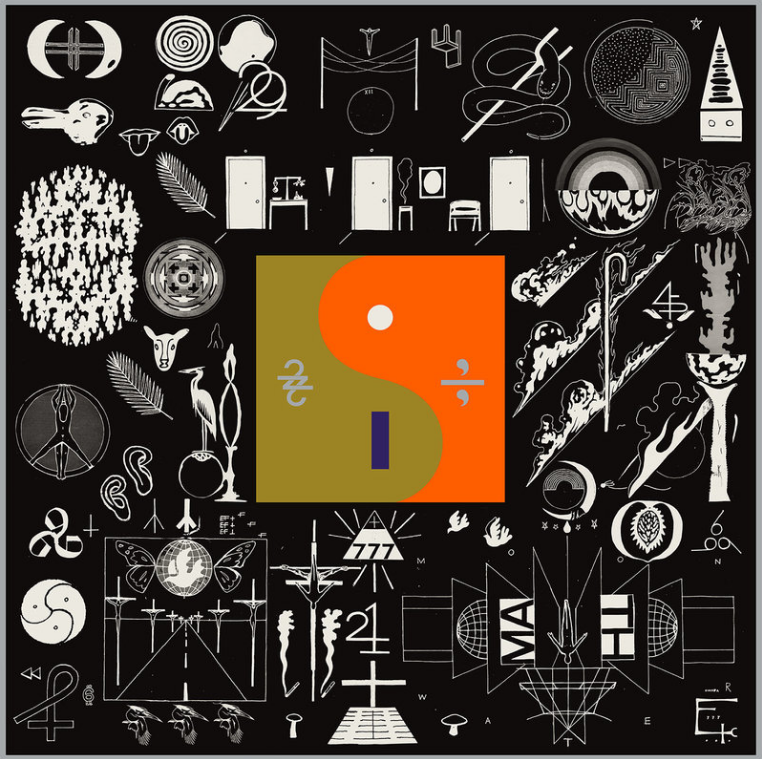
The second indication came more recently, as promotional efforts ramped up with a mysterious YouTube video released on July 22nd featuring the title “#22days” and a tune that we now know as album single “22 (OVER S∞∞N).” Then, in early August, the Bon Iver socials began to tease artwork, and eventually, a “pedestrian” (really just an industry plant) happened upon a street mural featuring similar art to the 22, A Million album cover.

22, A Million cover art

After the under-our-noses vague promotion, we now know the full, ephemerally wonderful scope of Bon Iver and JV’s shenanigans – 22, A Million is due out on September 30th, via long time Bon Iver label, Jagjaguwar. Vernon and co. premiered the entire 10-track record at Eaux Claires, fully realizing the festival’s purpose, and released two singles from the record immediately following the band’s headlining set.

Between the two singles, it's obvious that the Teenage Engineering OP-1 that Vernon had casually mentioned in a handful of interviews to promote Eaux Claire’s inaugural year in 2015 played a far more substantial role in JV and Bon Iver’s creative process for 22, A Million than anyone could have imagined. “22 (OVER S∞∞N)” and “10 d E A T h b R E a s T ⊠ ⊠” both feature every iteration of Bon Iver channeled through OP-1 production styles and effects. Conceivably, Justin Vernon has managed to do the impossible by not only maintaining Bon Iver tenants of musicality, composition, and lyricism, but progressing the entity itself without any repercussions from such growth.

Outside of the two singles, which include the classic lyrical cryptic messaging and phraseology, not much else is known about 22, A Million, and it's likely little else will be revealed until the album’s 9/30 release date. That being said, for the uninitiated that desire to find out more, it should be noted that the number 22 has played an immeasurably substantial role in Vernon’s life, via a press release for the album:

22 stands for Justin Vernon. The number's recurrence in his life has become a meaningful pattern through encounter and recognition. A mile marker, a jersey number, a bill total. The reflection of '2' is his identity bound up in duality: the relationship he has with himself and the relationship he has with the rest of the world. A Million is the rest of that world: the millions of people who we will never know, the infinite and the endless, everything outside one's self that makes you who you are. The other side of Justin's duality is the thing that completes him and what he searches for. 22, A Million is thus part love letter, part final resting place of two decades of searching for self-understanding like a religion. And the inner-resolution of maybe never finding that understanding. When Justin sings, "I'm still standing in the need of prayer" he begs the question of what's worth worshipping, or rather, what is possible to worship. If music is a sacred form of discovering, knowing and being, then Bon Iver's albums are totems to that faith.

Seeing as the album is set to release in early Fall, a 2016 tour announcement seems unlikely, but do not be surprised if Bon Iver hits the road in early 2017, as by that point, 22, A Million will have likely achieved indie-immortality that demands JV and Bon Iver’s presence once more.

Listen to “22 (OVER S∞∞N)” and “10 d E A T h b R E a s T ⊠ ⊠” and see the full tracklist below:

http://smarturl.it/BI_22AM 22, A Million Out September 30 on Jagjaguwar Created/Produced/Directed by Aaron Anderson & Eric Timothy Carlson Artwork by Eric Timothy Carlson Photograph by Cameron Wittig & Crystal Quinn No Justins were harmed in the making of this lyric video

http://smarturl.it/BI_22AM 22, A Million Out September 30 on Jagjaguwar Created/Produced/Directed by Aaron Anderson & Eric Timothy Carlson Artwork by Eric Timothy Carlson

22, A Million

  1. 22 (OVER S∞∞N)
  2. 10 d E A T h b R E a s T ⊠ ⊠
  3. 715 - CRΣΣKS
  4. 33 “GOD”
  5. 29 #Strafford APTS
  6. 666 ʇ
  7. 21 M♢♢N WATER
  8. 8 (circle)
  9. _45__
  10. 00000 Million

of Montreal Continues the Chaotic Search for Identity on 'Innocence Reaches'

Music ReviewWeston PaganoComment

of Montreal's lower case cache of chaos, innocence reaches, opens with a question: “How do you identify? / How do you ID?" Though perhaps a newly-minted staple introduction of the millennial age, sexual discovery has been an omnipresent undercurrent in the kaleidoscopic catalog of androgynous flamboyance only the man who once transformed into a transsexual alter-ego named Georgie Fruit could procure. Whether aimed outward or introspectively (and we get both in spades), these sorts of probing enquiries form the spine of a record that combines Kevin Barnes’ psychedelic sound with newfound electronic experimentation.

Though not on the levels of Hissing Fauna, Are You The Destroyer?’s dense tracklist, Barnes grandiloquence is still on full display on innocence reaches as his trademark verbosity continues to force us to come to terms with just how limited the vocabulary of pop music usually is. Even at his most overwrought - Barnes amusingly recounts basking in the sun as "absorb[ing] some solar lashings" on “chaos arpeggiating“ - he still manages to somehow pull it off in a jarringly natural way. Only he could rhyme "gratuitous abysses" and make one 2016's catchiest rock hooks out of it while reminiscing of “The Jean Genie” guitar riffs. "Am I on the edge of a really big breakthrough / Or just another meltdown?" he again begins a song with interrogation. For Barnes the answer is usually both simultaneously, and we’re better for it in the voyeuristic way we as consumers of his emotional turmoil can't help but be.

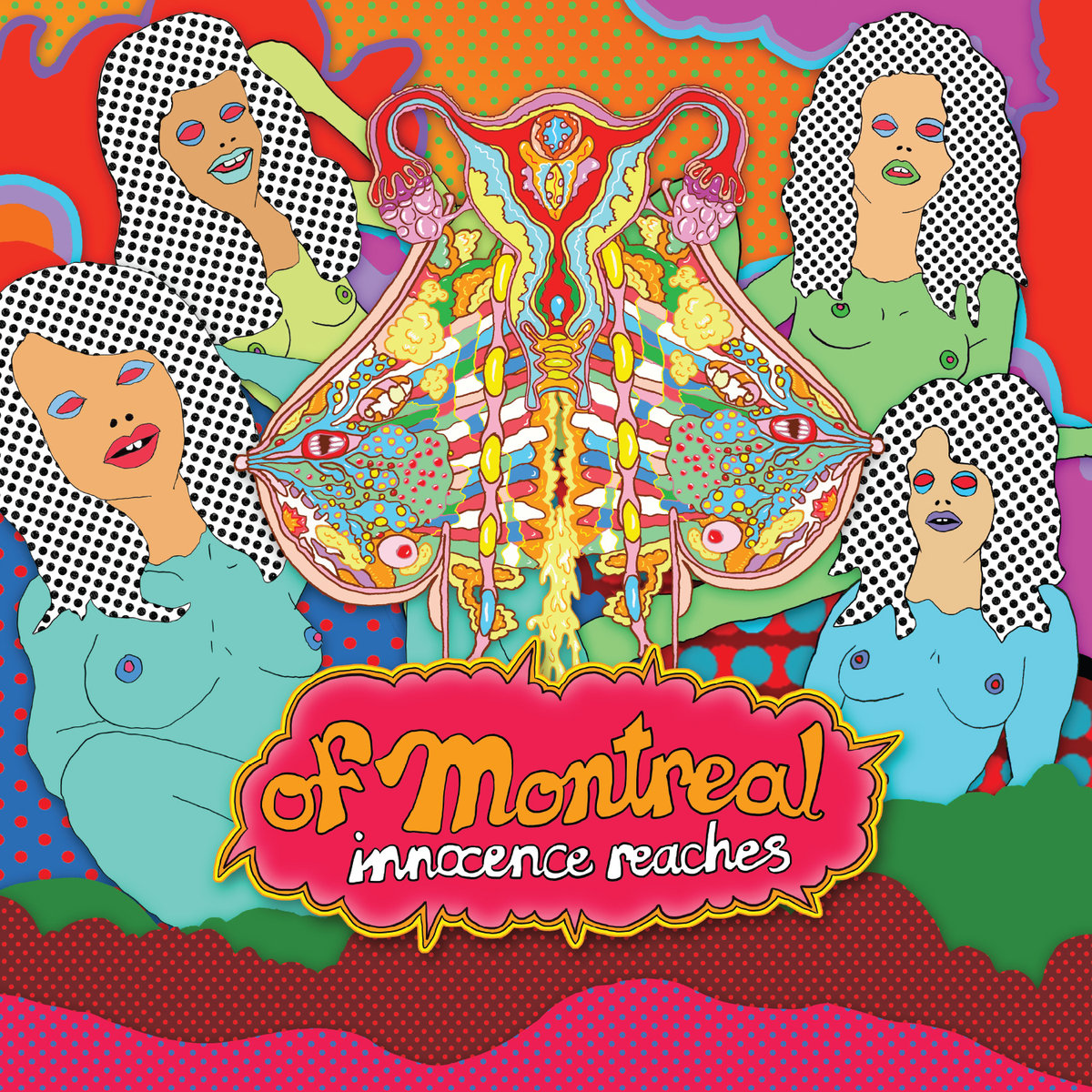
Though the binary-challenging instant dance bounce of “let’s relate” and off-kilter feminist anthem of “it’s different for girls” may seem increasingly on the nose, it’s likely only because times have begun to catch up with Barnes himself, who has been strutting stages in dresses and glitter - if anything at all - since the ‘90s. “I’m thankful to have an outlet for that, to express that and not get chased out of town or beat up. I think we’re moving in the right direction now,” he’s explained, and for a gender-fluid performer based in Athens, Georgia (a classic Southern town that only just closed local favorite Confederate-themed bar last year) that's a feat not to be under-appreciated. Pressed beneath a cover adorned with neon naked female forms created by longtime art directer and set-opening hype-man David Barnes, his brother adds to the highlighting of the “wonderment for the female anatomy” (and we can't wait to see how many times this review is taken down by Facebook because of it).

Just as 2013’s Lousy With Sylvianbriar signaled a departure in sound as of Montreal shed its auxiliary members while Barnes fled to San Francisco, for this album he decamped to Paris in the waning wake of his divorce, and innocence reflects that shift in geography as well. Enjoying the anonymity only foreign excursions can bring, Barnes lyrically fleshes innocence with the tales of French flings from “les chants de maldoror”’s “We only act nicely when we’re ruining hotel beds / I greeted you in a hundred doorways” to “trashed exes”’s “The problem is a different girl / An Athenian beach­-goth.” Recorded in a small urban apartment, he also often eschews the cacophony and collaboration of the traditional rock band instruments of the previous two LPs for fear of neighboring flats complaining, resulting in a collection of solitarily forged tunes addressing new characters and love interests set to the more manageable modes of drum machines and synthesizers.

This change of scenery also burst the bubble that blocked the contemporary music climate from influencing Barnes, as he began pulling from peers Jack Ü, Chairlift, and Arca after a career largely inspired by Prince, Bowie, Beach Boys, and Beatles. Flirting with skittering trap beats and EDM-inspired synthetic sound, particularly on standout “a sport and a pastime,” Barnes both shows old dogs can learn new tricks, deftly mixing nearly nihilist levels of destructive tendencies with glittering rave. Vocally it seems he's settled on more monotonous murmurs and coos over his chandelier-swinging shrieks of the mid aughts.

One of the few certainties of each of Montreal release is the likelihood that its successor is already at least partially completed by the time your copy has arrived. Coming only one year after Aureate Gloom and their 14th proper LP in 19 years, one could argue the only reason of Montreal’s recent records fail to make a larger splash is simply because people can't seem to consume his confessional epics as quickly as he can produce them. While Barnes no doubt lapses in and out of varying degrees of self-indulgence, give them time and you can't help but still be entranced, even if it can take some time to chew.

"It's not bad / It’s not sad / It’s fun,” closer “chap pilot” bluntly justifies before ending with a repetition of “I guess we can still surprise ourselves when we stop acting way too tough.” It’s an appropriate realization for a shameless poet ever vacillating between unforgivingly brutal depictions of love and desperately vulnerable admissions. 14 albums and 19 years later the only consistent predictability is that Barnes will indeed still continue to surprise.


Read our in-depth interview with of Montreal here.

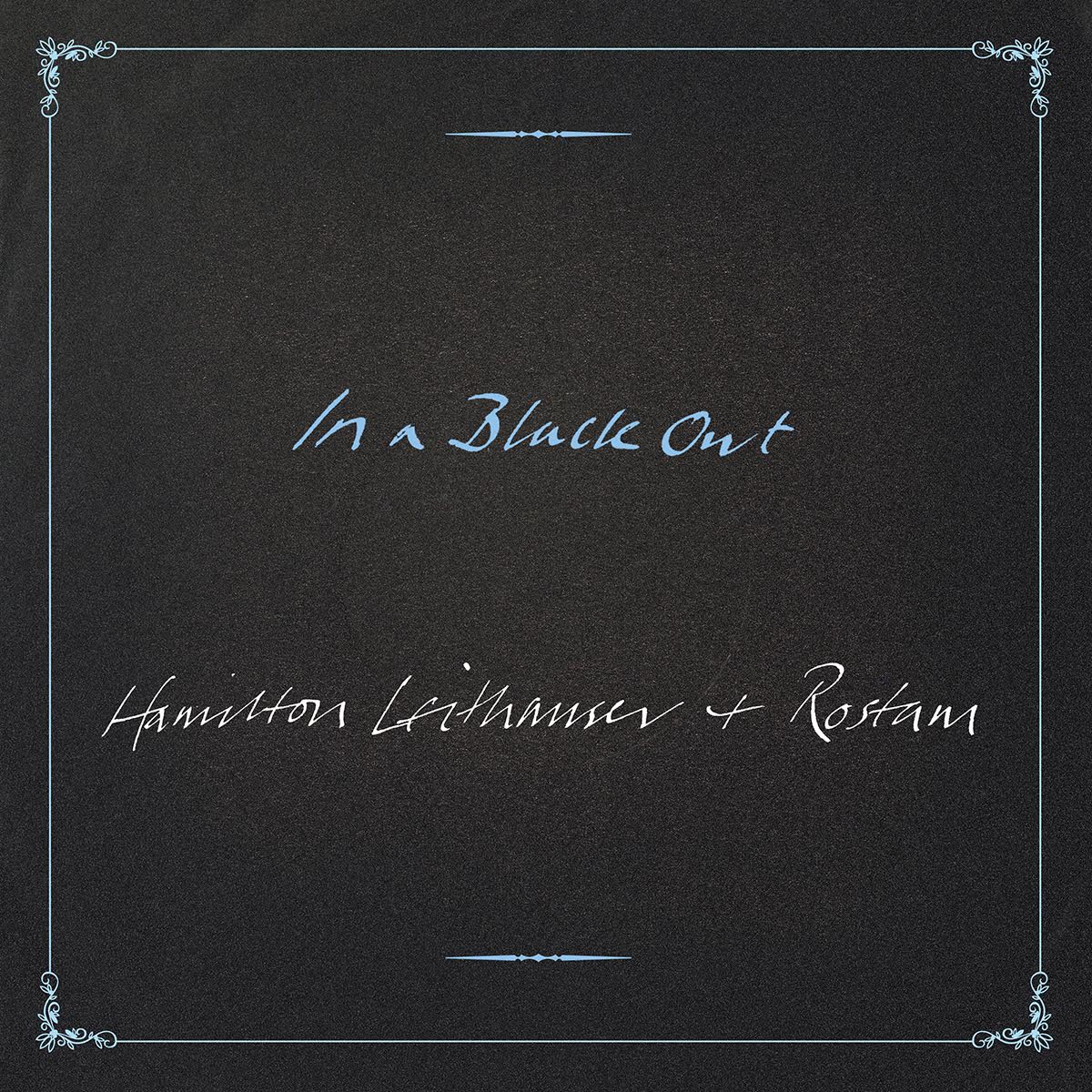
Hamilton Leithauser + Rostam Announce New Album Details, Release "In a Black Out" Single

New Music, Music NewsWeston PaganoComment

Now that we've listened to the first taste of ex-Vampire Weekender Rostam and The Walkmen's Hamilton Leithauser collaboration "A 1000 Times," the duo have filled in the details of their upcoming album and given us a second single to listen to as well.

"This is probably my favorite recording I've done in the last few years," Rostam said of "In a Black Out" on Twitter, and it's understandable why. Though much of peak Walkmen-era Leithauser vocals are delightfully thrown against a clash of reverb and electric guitar we have them gently laid over a bed of acoustic here, while a most likely Rostam-procured "Step"-esque choir combines to beautifully fill the space.

A 10 song LP titled I Had A Dream That You Were Mine is due out September 23 via Glassnote Records, the closing track of which features Angel Deradoorian, formerly of Dirty Projectors. Check out "In a Black Out," as well as the tracklist and album art, below.

Download "In A Blackout" and preorder the album I Had A Dream That You Were Mine: https://hamiltonrostam.lnk.to/IHadADream http://www.facebook.com/hamiltonrostam http://www.twitter.com/hamiltonrostam http://www.instagram.com/hamiltonrostam http://www.hamiltonrostam.com Music video by Hamilton Leithauser + Rostam performing In a Black Out. (C) 2016 Glassnote Entertainment Group LLC http://vevo.ly/AU5Exf

I Had A Dream That You Were Mine:

  1. A 1000 Times
  2. Sick as a Dog
  3. Rough Going (I Don't Let Up)
  4. In a Black Out
  5. Peaceful Morning
  6. When The Truth Is...
  7. You Ain't That Young Kid
  8. The Bride's Dad
  9. The Morning Stars
  10. 1959 [ft. Angel Deradoorian]

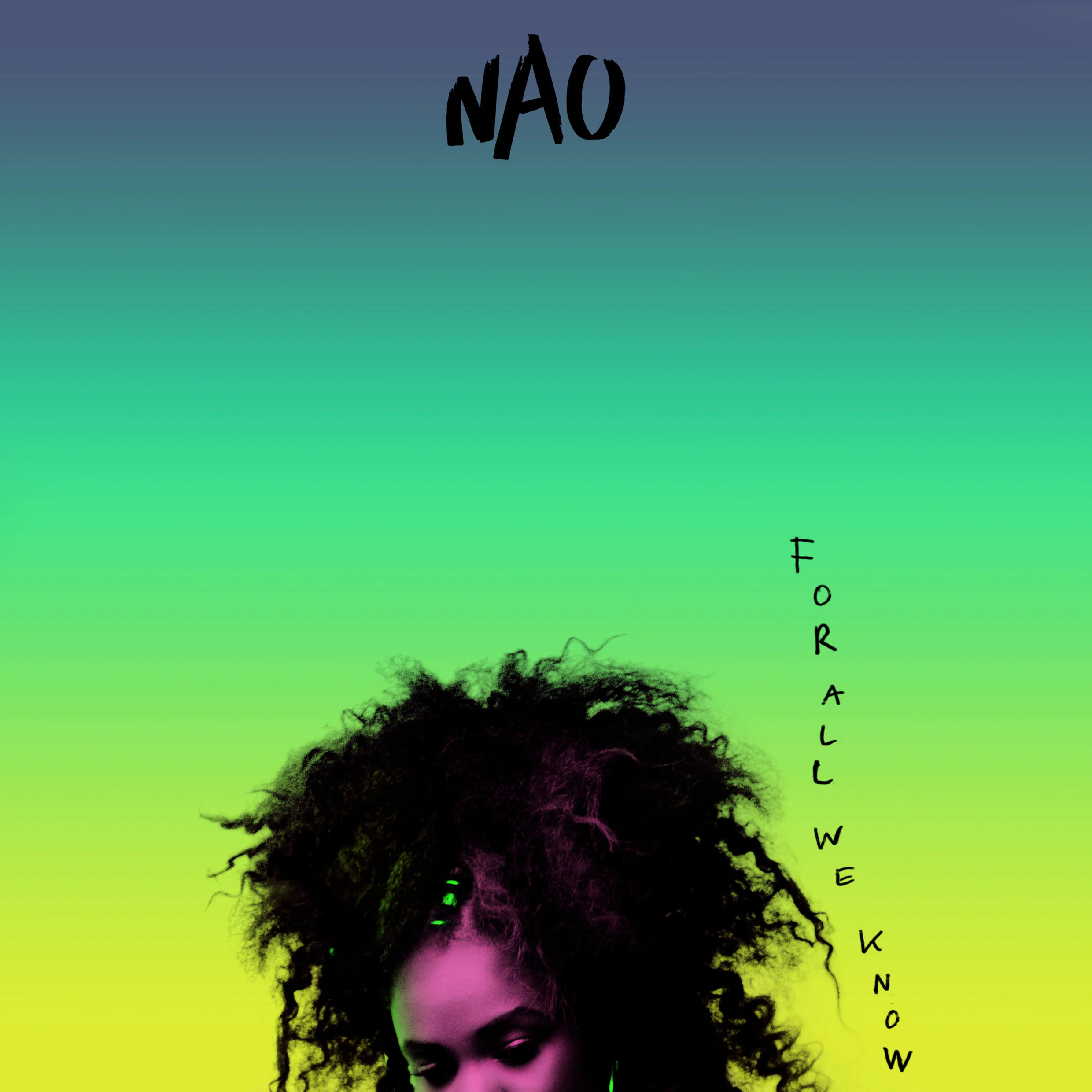
NAO Tackles R&B From Every Angle on 'For All We Know'

Music ReviewSean McHughComment

If you are reading this, Boys Don’t Cry hasn’t dropped yet. In all honesty, there are probably a grand total of 9 people who are legitimately surprised by such an unfortunate reality, but nevertheless, Frank has all but solidified his status as Patron Saint of Procrastinators and Teases. For those of us eagerly awaiting the arrival of Boys Don’t Cry, the initial reaction might be to set angry Google alerts at work, sitting silently in pure indignation, but lest I remind you – Frank doesn’t owe us anything.

So, instead of mildly raging against Frank and his failure to meet a self-imposed deadline, take time to celebrate the opportunity to listen to any of the slew of excellent releases that happen to fall upon the same date. One such release is that of “wonky funk” goddess NAO. Its been a steady build to NAO’s debut record – two years’ worth of top of the line EP releases and single – with the ascent finally peaking with her 18-track deep LP, For All We Know.

The record features a number of tracks from Neo Jessica Joshua (the begetter behind NAO)’s fantastic string of EPs and singles, including the XXYXX laser beam through ganja haze single “Bad Blood,” that sees NAO squelch the assumption that she would be the latest iteration of FKA Twigs. While Joshua’s song-bird warble might resemble her contemporaries Twigs and Kelela, NAO maintains a certain sheen that distinguishes her from the gritty-post-Popcaan-rave that someone such as Kelela might. NAO’s musicality feels more cognizant of her R&B origins, opting for classic funk beats and tomes as opposed to integrating a fader-warped galactic overdrive.

NAO’s music feels more akin to the likes of fellow 2016 R&B stalwart Gallant – a reverential approach to the union of R&B, funk, and pop – while producing a wholly distinctive spin that appeases both the old-heads and Arthur-memeing Millennials. In a way, she has managed to fall into the ideal gray-area of modern R&B/soul, which could be attributed to her stint as a Jarvis Cocker session singer – her clean vocal production and heavy instrumentals help propel the record forward and into the realm of “must listen” for any and all.

An interesting facet of For All We Know is the fact that there’s a seemingly nondescript narrative to the record, in that there’s no definitive over-arching theme, but a sort of ping-ponging back forth between from the bowels of the club love scenarios and self-rumination on songs like the aptly titled “Fool to Love.” If there is any cohesive narrative to the album, it is the spirit, which Joshua is able to diffuse into and throughout the record; its emotionalism and realism wrapped up in a “wonky funk” beat. In fact, the “ping-ponging” featured throughout the record is arguably the strongest aspect of the record – Joshua dives into the London instrumental dark-wave on tracks like “Blue Wine” and pulling back into a vocally driven, more contemporary R&B groove on “Girlfriend.” In a sense, NAO has managed to make ping-ponging, flip flopping, etc., an art.

While the album more than exceeds all expectation linked to Joshua’s NAO initiative, a single track manages to rise above the rest - primarily for the wholly unique production of A.K. Paul melded with Joshua’s vocal chops - “Trophy.” The track features the compressed guitar sounds that have become tenants of both A.K. and his brother Jai, lending heavy funk bass that allows Joshua to go to town with one of her most impassioned vocal journeys on the entire record. It’s the assurance that NAO can appeal to both sides of the R&B listening-coin; she can innovate and pay homage all in the same song. In reality, For All We Know as a whole is Joshua’s confident assurance of such a fact, she can play the R&B genre both ways – with precision and uniqueness that have gone predominantly unseen. Joshua as NAO can take on either end of the spectrum, maintaining her standing amongst the FKA Twigs and Audra Days of the world; she truly is the queen of wonky funk.