TRANSVERSO

- A culture magazine reaching terminal verbosity -

Wild Beasts Unchain and Explore Virility on Bold 'Boy King'

Music ReviewWeston PaganoComment

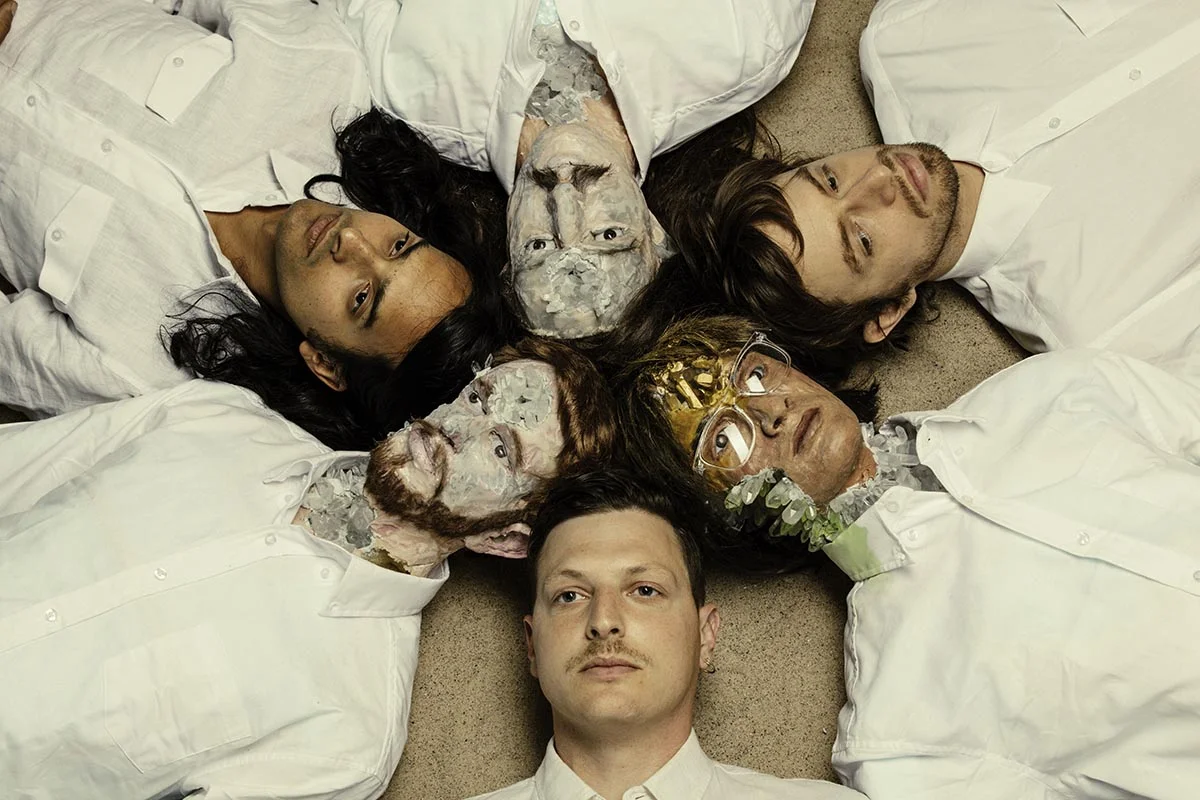
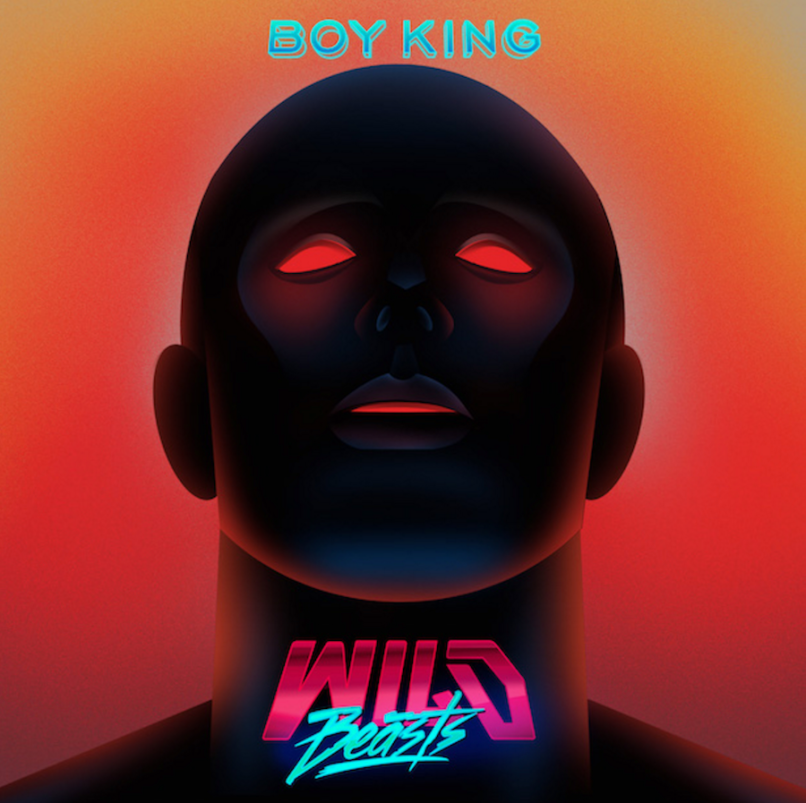
“If you want someone with real balls it’s the male ballet dancer. That’s where the real grit is," Hayden Thorpe recently told The Guardian. Toying with the role - or lack thereof - masculinity plays in the oft married duo that is sex and rock ’n’ roll since the very first notes of their discography, Cumbrian natives Wild Beasts have come far from the raucously theatrical flamboyance of Limbo, Panto to the impeccably wrought beauty of Present Tense’s gentler sides. They’ve been swearing by their own “cock and balls” since they emphatically debuted in 2008, but on their fifth LP, Boy King, they outright swear with them, and it's clear that the courtship show is now over as raw, licentious aggression drips in its stead. Boy King consists of 10 sharp pop tracks beneath some massively ‘80s cover art reminiscent of a more polished News of the World, its robotic glow all the more curious when juxtaposed with the animalistic sentiments that writhe within.

Wild Beasts’ unique art rock has usually occupied the English indie scene’s outsider category as Arctic Monkeys-type lad rockers reigned. Thorpe’s exuberant, if not effeminate falsetto sounded an outright protest of them, though in embracing such lecherous id he and his band now wear their own brand of leather jackets and wear them quite well. “In some ways we're now the band we set out against!” Thorpe admits, but while artists grow and change, the true Boy King inherent in men remains limbic despite any change in our creative and cerebral representations of its primitive drive.

"After five records there had to be an element of 'what the fuck?’” Thorpe explains, leading one to wonder if “He The Colossus” line, “Not enough fucking and too much of wondering“ is a jab at their past selves. It was eight years ago when Thorpe first claimed he was tough, and nowhere is there such a stark example of their evolution - or devolution - from painstaking wordplay to outright brashness than the contrast in lyricism from then to now. On Limbo, Panto’s “The Club Of Fathomless Love” he dynamically delivers, “But I'm not a soft touch / And I won't been seen as such / So full with fierce fathomless love / I spit and have spats to be tough / Show I'm not soppy and stuff.” Put that up against “Tough Guy”’s simple assertion of "Now I'm all fucked up / And I can't stand up / So I better suck it up / Like a tough guy would,“ and it’s clear a lot has changed. Perhaps a self-fulfilling prophecy, the former’s opening line of, “Oh when I'm older I'll hear this moment and I'll laugh haha,” seems quite prescient.

Adding to the bravado, Dallas, Texan recording and John Congleton (St. Vincent, The Walkmen, Modest Mouse, Spoon) production makes it a sonically enthralling ride as well. Album opener “Big Cat” extends the metaphor of Wild Beasts’ rightful place atop the food chain as Thorpe’s sultry vocals and a steady percussion backing climax in a brief glimpse of some sharp guitar fangs that leave you wanting more. Though perhaps overly repetitive, “Alpha Female” has a delightfully thick slink to it plus some electrifying shreds of St. Vincent-esque guitar tones, while lead single “Get My Bang”’s funk foundation shakes with fuzzed out bass bombs over a simple, linear drum base. Following track and final single “Celestial Creatures” is a space-y track that maintains a steadily uplifting locomotion of synth undulations, boosted by more ever-elegant crooning. Later, Thorpe breathily threatens to surpass and consume the most vital dark meat the god of beauty and desire himself has to offer on “Eat Your Heart Out Adonis” before some sleazy riffs throw their hot weight around.

Baritone foil Tom Fleming, though not as vocally prominent as on past releases, has his not-to-be-under-appreciated moments too, most notably “2BU,” a brooding album standout built upon stutter step percussion and the unsettling confession, “Now I’m the type of man / Who wants to watch the world burn.” Also present is the proof that old habits die hard; for all its reckless abandon, Boy King's closer “Dreamliner” is a lovely relapse into the delicate control of records past, leaving you to wonder just what direction they’re headed in the end.

For all the straightforward sensuality of Wild Beasts’ newfound give-no-fucks mentality, it would seem their name is increasingly appropriate for such libidinous swagger. That being said, long-term fans of the band behind the moniker may come away feeling disappointed had they been looking for more of the same clever intricacies that drew them in at first. All but the hardest critics will get their “bang” regardless.

Through years of lusciously calculated yet carnal emoting Wild Beasts have earned the blurred line of irony now surrounding their unabashed virility (take, for example, the brilliant satire of 2009’s “All The King’s Men”). Newly emboldened, there’s an unflinching self-awareness of what it means to be the priapic pinnacle that is man in a rock ’n’ roll band, and they’re not afraid to seek out an equally satyric “Alpha Female” to prowl the stage with. And why not? It’s all just “self-loathing” anyway, and if life truly is merely a desperate race to mate before the crush of death then misery loves close, intimate company. "No getting it right / No getting it wrong / Just getting it on," indeed.
Here's Some Good News for People Who Love Bad News: Modest Mouse Frontman Causes Car Crash

Music NewsWeston PaganoComment

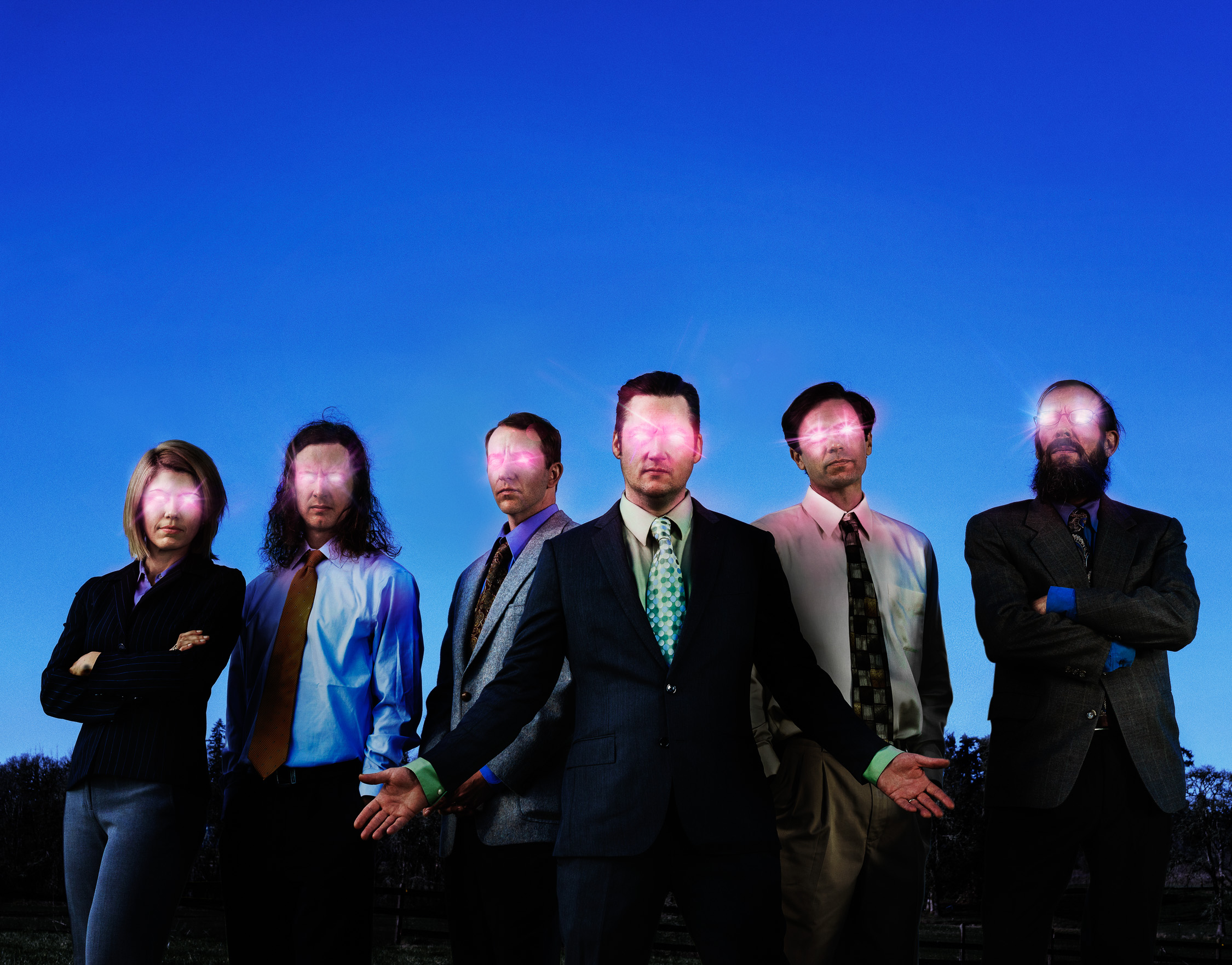
Well, here's some good news for people who love bad news: According to The Seattle TimesModest Mouse frontman Isaac Brock was the catalyst for the unconscious coupling of multiple vehicles in Portland yesterday after falling asleep at the wheel and rear-ending a government truck that began a chain reaction of collisions. He was cleared of any intoxication and walked away unharmed.

No black Cadillacs nor baby blue sedans were involved, and it remains to be seen if he will blame it on the Tetons. You could say he just drove off; sometimes life's okay. It's understandable, for it was a long drive for someone with nothing to think about. Brock should be careful next time he takes interstate 8.

Hear Phantogram's New Single "Run Run Blood" Featuring The Antlers

New MusicWeston PaganoComment

Last month Phantogram treated us to "You Don't Get Me High Anymore," the first single from their forthcoming third LP, Three. The second track, "Run Run Blood," was revealed today, and it's an equally confident and powerful sounding glimpse of what's to come.

Following their Big Boi Big Grams collab, the duo again call on some friends for help, this time in the form of some "creepy horns" contributed by none other than The Antlers. Those horns are a highlight of the mix that also includes Sarah Barthel and Josh Carter trading vocals through various effects and a continuance of their increasingly industrial leanings. In a statement to Stereogum, Carter explains it's "about the sad state of the world we live in today. It feels like the blind leading the blind sometimes.”

"Run Run Blood" will likely be given its live debut at Phantogram's sold out Lollapalooza aftershow tomorrow, while Three is out 9/16 via Republic. Listen and see the rest of the tour dates below:

Run Run Blood (Official Audio) Available on the new album THREE Download here: http://republicrec.co/PhantogramThree See all Phantogram tour dates at: http://republicrec.co/PhantogramTour Follow Phantogram on: Facebook: http://bit.ly/PhantoFacebook Twitter: http://bit.ly/PhantoTwitter Instagram: http://bit.ly/PhantoInstagram Spotify: http://bit.ly/PhantoSpotify YouTube: http://bit.ly/PhantoYouTube SoundCloud: http://bit.ly/PhantoSoundcloud Tumblr: http://bit.ly/PhantoTumblr Music video by Phantogram performing Run Run Blood.

Beach House's New Video For "The Traveller" Is a Lovely Psychedelic Dream Journey

New MusicWeston PaganoComment

We still haven't fully come down from seeing Beach House at Pitchfork two weekends ago, and now Victoria Legrand and Alex Scally have surprised us with a new music video for Thank Your Lucky Stars track, "The Traveller."

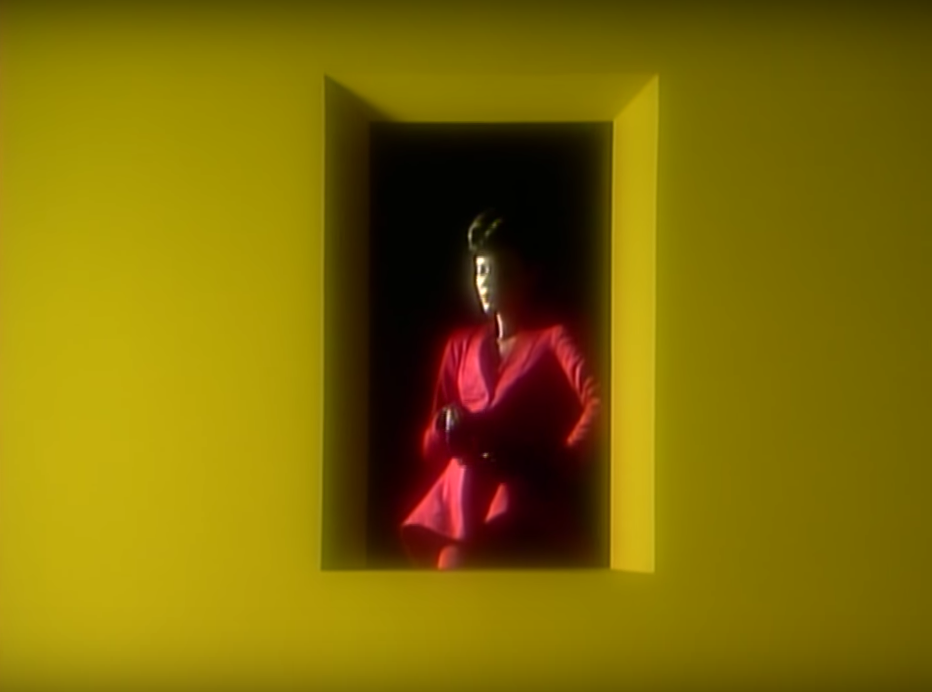
A standout from a virtually flawless album, "The Traveller" shines in the Jennifer Juniper Stratford-directed visual that seems to reveal the journey taken is through time and space itself. Shot and processed on intentionally obsolete equipment, the striking images of a lady in red ebb and flow in a gorgeously distorted way truly befitting of Beach House's sound, while adding an '80s psychedelic edge to the dreaminess.

Watch below, and read our review of Thank Your Lucky Stars.

Thank Your Lucky Stars is available... In the US, from the Sub Pop Mega Mart: https://megamart.subpop.com/releases/beach_house/thank_your_lucky_stars In the UK and Europe, from Bella Union: https://bellaunion.greedbag.com/buy/thank-your-lucky-stars-4/ From Amazon: https://amzn.com/B016B0FL3I From iTunes: https://itunes.apple.com/us/album/thank-your-lucky-stars/id1047853068 On Spotify: https://open.spotify.com/album/7zPfNw88t2Xv2nVXWKqQls

Transverso's Guide to Lollapalooza 2016

Music ListTransverso MediaComment

Longtime staple of both the Chicago and music festival experiences, each year Lollapalooza earns their reputation as one of the premiere menageries the performance industry can offer. Lolla, as the kids call it, needs no introduction at all, in fact, but we’ve written one anyway to justify our staff compiling such a lengthy list of recommendations (and condemnations) for this year’s edition. So if you’re still building your schedule, torn between conflicts, or just don’t know much about the bands that’ll be there, this is the guide for you!


THURSDAY


Pinegrove (Petrillo Bandshell 12:15-1:00)

So you didn’t want to go to Lollapalooza. It’s too big, too loud, and way too crowded, but your friends talked you into buying a ticket and now you’re at a goddamn music festival at noon on a goddamn Thursday. New Jersey punks Pinegrove feel your pain. On their incredible new album Cardinal, singer-guitarist Evan Stephens Hall crafts antisocial anthems that thread the line between emo and country, alchemizing unease and isolation into universally relatable howl-alongs. (Standout single “New Friends” is a rousing power ballad about deciding to have more than three acquaintances.) Pinegrove specialize in songs that sound great screamed in a giant crowd or whispered alone in your room, and their festival-opening slot offers you a rare chance to choose the former over the latter.  (Julian Axelrod)

Autolux (Samsung 12:45-1:30) 

Coming off a delightfully peculiar and long-awaited return on Danger Mouse’s 30th Century Records with Pussy’s Dead, Autolux are uniquely melancholic in a captivating way. Despite their relatively under-the-radar history, you may know founding member and multi-instrumentalist Carla Azar as one of Jack White’s main studio and touring drummers. (Weston Pagano)

Lucy Dacus (BMI Stage 1:00-1:40)

Seeing a festival set based on one song is a risky proposition, but early Thursday afternoon is a prime time for experimentation, and when the song is as good as Lucy Dacus’s “I Don’t Wanna Be Funny Anymore,” it’s not much of a risk. The track is a deft, subtle breakdown of the ways women are pigeonholed into types – the Funny Girl, the Cute Girl, the Groupie. It’ll have you laughing as you cringe with recognition, a trick Dacus pulls throughout her strong debut No Burden. The record recalls sarcastic storytellers like Jenny Lewis and Courtney Barnett, but comparing Dacus to other women does her a disservice. Don’t come to this show to see a Type – come to see Lucy Dacus kick ass. (Julian Axelrod)

Hiatus Kaiyote (Petrillo Bandshell 2:00-3:00)

The Melbourne-sprung Hiatus Kaiyote lead off early in the festival, and is a standout performer among its peers. This is a must see act, particularly anyone trying to bend their knees and swing their hips. Coming off a salutary reprise of "Laputa” in collaboration with Taylor McFerrin and Anderson Paak in April, the psychedelic soul outfit is in top form. Lolla is the first stop on their lengthy North American tour, so they should be full authentic giddiness and energy. Whether you’re trippin’ hard on something good and need a deep groove or atmospheric musings to set your mind right, want to get down’n dirty with some dance moves, or just want to vibe with a beer in hand, Hiatus has got you covered. (Andrew Meriwether) 

Yeasayer (Lakeshore 3:30-4:30)

Despite their latest LP being named Amen & Goodbye (arguably one of the best and most under-appreciated records of 2016), Yeasayer will be saying hello to Chicago for the third time in as many months when they ascend the Lakeshore Stage on Thursday. Not that we could get tired of seeing them, though, as the psychedelic freak-folk rock electro-pop trio wear many hats and wear them exceedingly well. Don’t miss their aftershow-that’s-really-a-preshow on Wednesday, as their sound always conveys better indoors and their impeccably intriguing performance decorations that play with the Sgt. Peppers-esque album art direction motif will likely not make it onstage at the festival itself. (Weston Pagano)

Wild Child (BMI 4:30-5:10)

I first saw Wild Child after we interviewed them at SXSW. It was in a small church downtown in their native Austin, and every time the band swore - in a song or otherwise - they semi-jokingly cringed and asked “Can we say that in here?” They’re the cutest folk outfit, but now they can say whatever the fuck they want out in Grant Park as well. (Weston Pagano)

The Arcs (Lakeshore 7:30-8:30)

Once you listened to a couple Black Keys records, you’ve pretty much listened to them all, right? So why go see Dan Auerbach, the lead vocalist and guitarist of BK, when you’ve got the plenty of other artists who could punch your eardrums? Because The Arcs, Auerbach’s most recent solo project, are not a blues rock band, and because they kick a lot of ass. On 2015's very well received Yours, Dreamily, Auerbach delves into the psychedelic and macabre both musically and lyrically; a refreshing departure from his past productions. His time behind boards as a producer has also broadened his sound beyond riff-a-licious jams to include horns, synths, and a dizzying collage of other fantastic instrumentation. Fit this veteran into your evening schedule - you won’t be disappointed. (Andrew Meriwether) 

Lana Del Rey (Budlight 8:45-10:00)

Do people really still like Lana Del Rey? (Weston Pagano)


FRIDAY


Lewis Del Mar (Bud Light 12:45-1:45)

After surfing with MGMT convinced them to sign to Columbia, Lewis Del Mar burst onto the scene with a confident "Can you please sit the fuck down?" We assume they'll be asking - and getting - the opposite this Friday. (Weston Pagano)

Joey Purp (Perry’s 2:30-3:15)

There is a truly astounding amount of incredible rap coming out of Chicago right now, and the city’s vital scene is well represented on the Lolla lineup, from perpetually rising star Vic Mensa to Rick Rubin disciple Towkio. Joey Purp may not have the same recognition as his comrades at the fest (yet) but he’s making the most interesting music. His mixtape iiiDrops crackles with inspiration as Purp recounts his violent upbringing and with a dead-eyed mumble, somehow sounding sleepy and urgent simultaneously. And the man has an incredible ear for beats, from the throwback Neptunes funk of “Girls @” (with Chance the Rapper) to the dying elephant bounce of “Photobooth.” Whether you’re a Chicago native or a first-time visitor, don’t miss this preview of the city’s next big star. (Julian Axelrod)

Foals (Samsung 4:00-5:00)

Still on the road a year out from their fourth LP What Went Down, Foals bring one of the most aggressively exhilarating indie rock sets to the festival stage. The youthful hints of mathiness in their set have been all but drowned out in favor of their more mature, denser sound of late, but you won’t be able to analyze much of anything with Yannis Philippakis shredding guitar whilst splayed out on top of you. Look for “Inhaler” to turn the droves of calmly-swaying-white-guys into an animalistic frenzy as cries of “I can’t get enough SPAAACE” go from purely metaphorical to literal, too. (Weston Pagano)

Sunflower Bean (BMI 6:50-7:30)

Sunflower Bean finds themselves in the unfortunate predicament of being surrounded by heavy reputations: Future, Miike Snow, and M83 are all set to perform in neighboring time slots. But for the rock fan whose feelings on grunge-rock are more fond than ill, Sunflower Bean may be the band to see. Their post-punk is fast and aggressive and guitarist Nick Kivlen is a true virtuoso on the axe. If you’re swayed more by advocacy, the Brooklyn-based band stands opposed to the plethora of shoegaze that the New York borough’s music scene has been producing. So if you’re in the mood for aggressive guitars or feel like protesting the shoegaze genre, check out Sunflower Bean.  (Ezra Carpenter)

Miike Snow (Lakeshore 7:00-8:00)

Those of you who still don’t know Miike Snow probably are familiar with Britney Spear's "Toxic" and Bruno Mars' "Grenade," the world-beating hits the Swedish writers and producers were the masterminds behind. But for the rest of us, it's been a few years of waiting for them to tour again like they are now in support of their latest record, iii. After their hiatus the first few shows were noticeably rusty at times (frontman Andrew Wyatt nearly killed a girl with a mic stand when I saw them at SXSW in March), but they’ve almost certainly gelled back to their delightful old ways since then. Either way, their uniquely engaging brand of perfect pop that blends professional polish with indie edge make this a set you should see. (Weston Pagano)

M83 (Samsung Stage 6:00-7:00) 

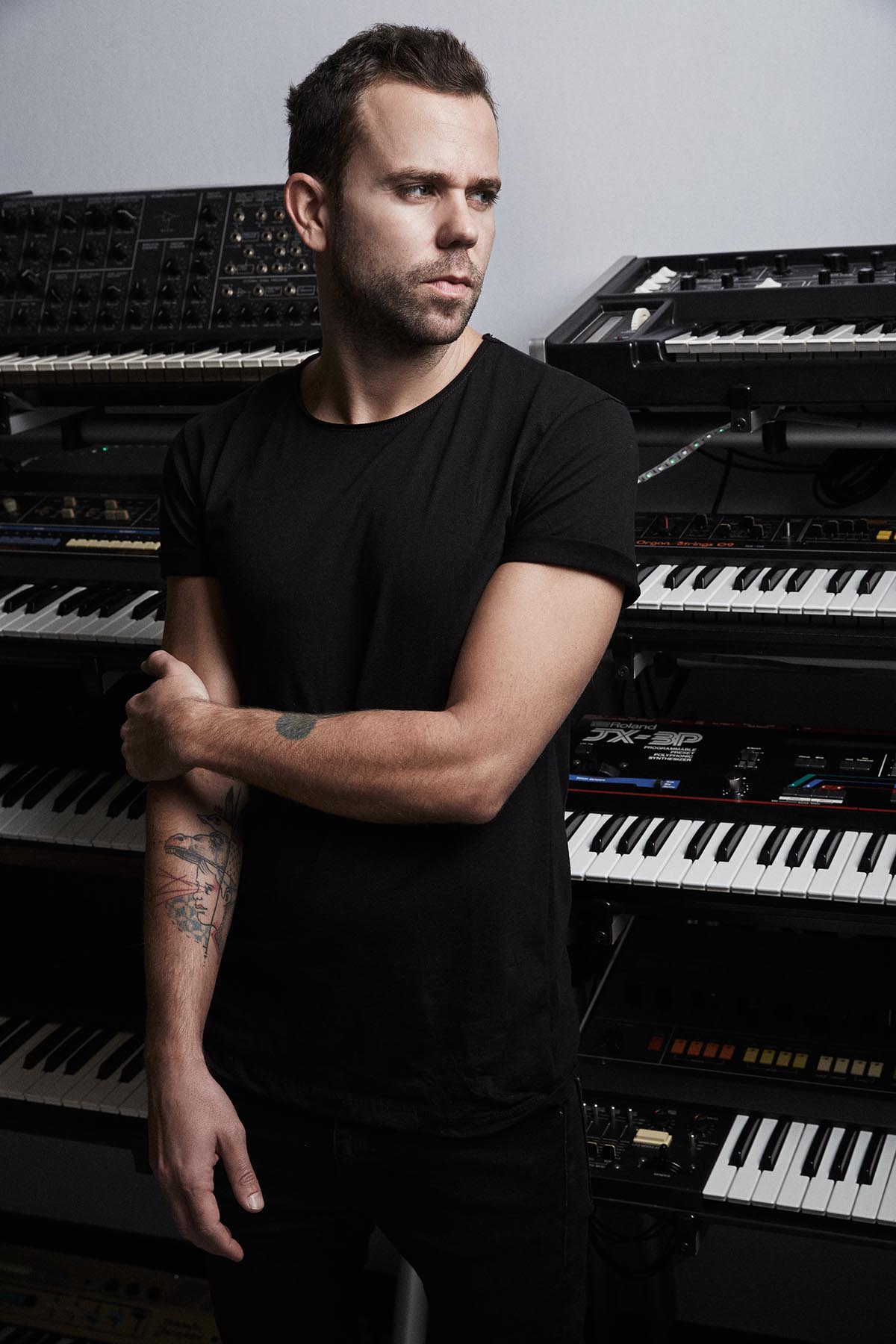
Friends, family and fellow 2011 nostalgists: We are here today not to bury M83, but to praise them. (Or rather, him.) While many people populate the stage at an M83 show (including Dallas musician Kaela Sinclair, who joined the touring band after an open call for keyboardists) the project is the brainchild of Anthony Gonzalez. The French pop mastermind was thrust into the mainstream on the heels of hit single “Midnight City,” which you might know on the off chance you’ve seen a movie, TV show, or commercial in the past 5 years. This year’s follow-up album Junk seemed at first like a decisive (and divisive) left turn away from the epic, windswept pop anthems that cemented M83’s place atop festival lineups, filled with overtly cheesy synth struts and melodramatic strings that evoke the elevator music in an overpriced '80s hotel. But like a weird foreign soap opera you find on cable at 3 AM and end up watching until sunrise, Junk is packed with peculiar pleasures. Give yourself up to Gonzalez’s vision of a pop utopia – it is a world unlike any other.  (Julian Axelrod)

Radiohead (Samsung Stage 8:00-10:00)

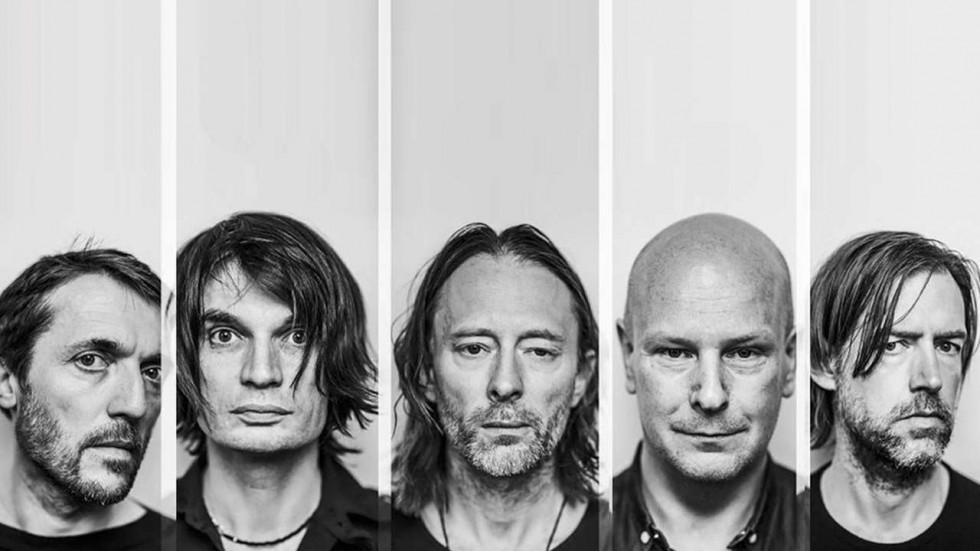
No introduction needed for this Friday headliner, but the release of LP9 and the reintroduction of “Creep” to the band’s set has reinvigorated fan curiosity and interest. Firstly, Radiohead has consistently played A Moon Shaped Pool true to its tracklist until its fifth track: “Ful Stop.” The front end of the album has been well-received for its stoic and somber tone, so expect to get very intimate with the band from an early onset. Now onto the issue of “Creep.” We get it, the majority most probably despises the reinclusion of the band’s 1993 single. However, this majority is also likely comprised of fans who have followed Radiohead’s progression since the release of 1993’s Pablo Honey. So to the younger Radiohead fan: this may be one of the few times you will ever hear “Creep” performed live if you haven’t experienced it already. However one may feel about the song, it is undoubtedly a privilege to hear it performed live. EDM fans will be split between Martin Garrix and Major Lazer, so the Radiohead crowd should consist of a homogeneous set of genuine Radiohead fans. (Ezra Carpenter)


SATURDAY


AudioDamn! (BMI 1:00-1:45)

Fresh-faced and endearing, the up-and-coming German trio told Transverso all about their debut EP and subsequent first American tour in our interview not too long ago. Expect a playful show in which their clean suits do little to betray solid rock and roll chops. (Weston Pagano)

Big Grams (Samsung 4:15-5:15)

Though starting out as an unexpected pairing, the Big Boi + Phantogram supergroup have become staples of this year’s festival circuit following their self-titled debut, and we’re excited to see these #FestivalKillers supply their #JediRapShit at Lolla this year. Also look for Phantogram’s aftershow at House of Blues on Sunday which will be their first of many dates in support of their forthcoming record, Three - whether or not Big Boi will appear in that as well remains to be seen. (Weston Pagano)

Leon Bridges (Bud Light 4:45-5:45)

Saturday night offers a wide selection for those looking for vanguard of foundational genres. Whether it’s country’s golden boy Chris Stapleton, The Band-channeling Houndmouth, or the foot-stomping Nathaniel Ratcliff and the Night Sweats, one can easily get their fill of the horns, tube amps, and Rhodes organs. Carrying the mantel for classic Soul is Leon Bridges, whose career has skyrocketed since releasing a couple of tracks on SoundCloud two years ago. Bridges seems to be the walking definition of vintage. Everything from his tucked white t-shirts in high waisted jeans to the analogue tinged sound of his records is something out of another era, or perhaps a hyper real version of an era. You may not get anything “new” per se from this performance, as he essentially stays in the safety of Sam Cooke and Otis Redding type tracks. Nonetheless, Bridges ability spark that comforting feeling of nostalgia will undoubtedly delight audiences. So give yourself a break and go enjoy some smooth crooning. (Andrew Meriwether) 

Chris Stapleton (Petrillo Bandshell 5:45-6:45)

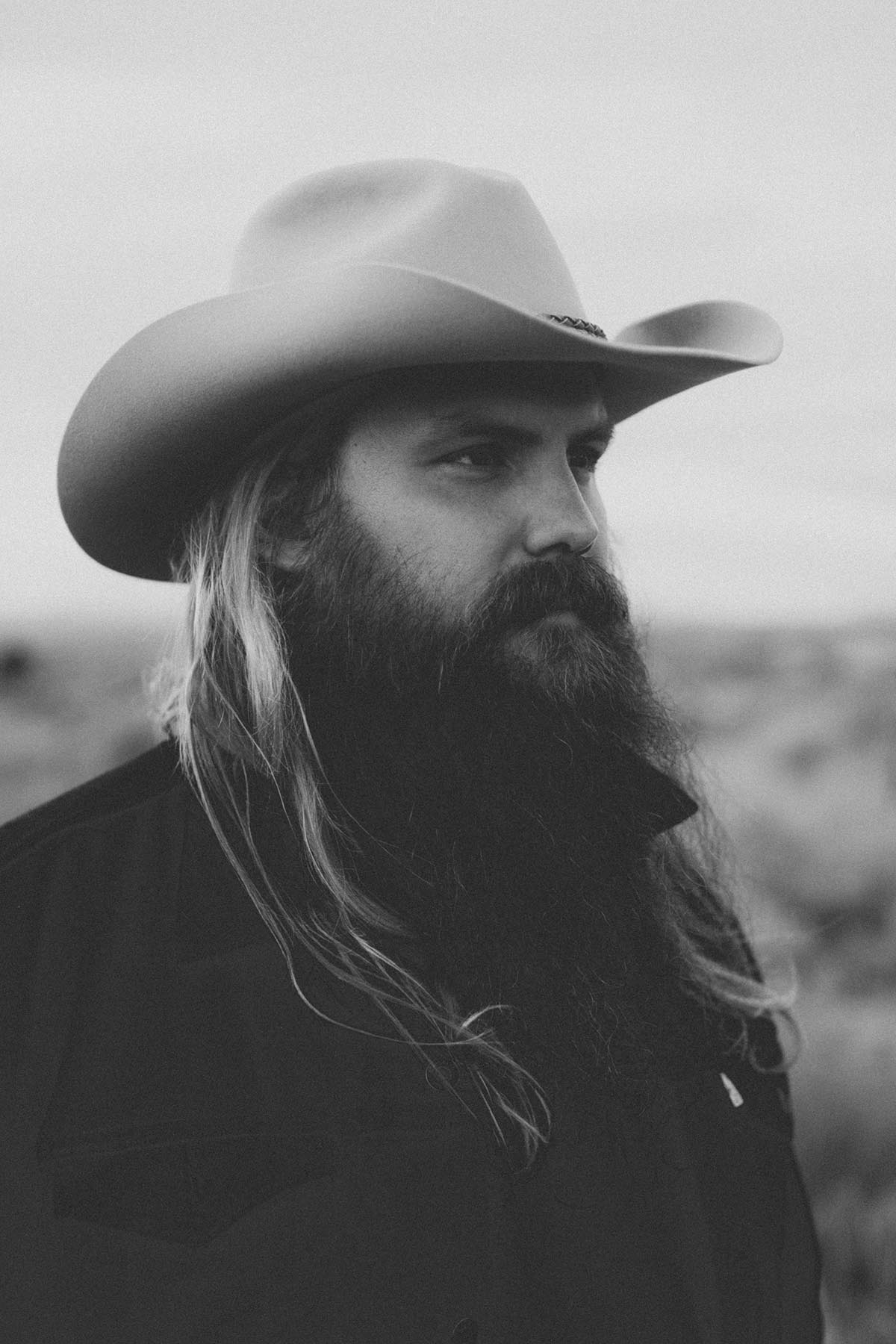
The country act - still quite the anomaly for well-established music festivals. Yes, Chris Stapleton is definitely a performance out of left field, yet his popularity is as unquestionable as his vocal talent. Stapleton’s voice is a rustic, molasses-smooth brand of country ballad that will resonate with fans of R&B, soul, blues, and traditional male vocals. He deserves the highest attendance for his allotted time slot (excusing Jane’s Addiction die-hards) and is sure to please anyone who can appreciate a good voice. If you find yourself undecided on who to see early Saturday evening, take a chance on Stapleton. (Ezra Carpenter)

Houndmouth (Pepsi 6:30-7:15)

One could make a strong argument that the market for alt-country bands is oversaturated. Fans may be burnt out on bemoaning lost love and rehashes of blues bar brawls, and genre is a reaching a breaking point and the whole edifice may come crashing down (which, I suppose, may end up being a decent country song). Luckily, one can take solace in a group like Houndmouth. The band is nothing if not earnest, which is hard to come by these days with acts like The Lumineers, whose one-trick-pony folk tunes have spawned a whole litany of saccharin imitators. Houndmouth is steeped in the Music From Big Pink and Basement Tapes rock, and they do about a good a job as anybody at tapping that raw emotional power found in the old masters. On a warm summer evening, on the cusp of rowdiness and love, you won’t find anything much better than Houndmouth. (Andrew Meriwether)

Grimes (Lakeshore 7:30-8:30)

When the Coachella organizers booked Grimes opposite Guns 'n' Roses, they made a clear statement: Give this artist three years (and one more great album) and they’ll be headlining every festival in existence. Listening to last year’s bone-crushingly sweet masterpiece Art Angels, it’s hard not to see Grimes as a global superstar from an alternate dimension who slums it on our planet as a critically acclaimed indie darling. Right now she’s in a weird limbo between the two, so this may be your last chance to see Grimes in any sort of intimate setting before she blows the fuck up. (Julian Axelrod)

Disclosure (Bud Light 8:30-10:00)

A lot of variety to pick from for Saturday’s closing acts: Red Hot Chili Peppers, Hardwell, Vic Mensa, and Disclosure. Saturday’s closing action seems to offer something for fans of every genre to appreciate. Not to be underestimated is the hometown boy Vic Mensa’s performance of his new, politically-charged material. But if the headlining RHCP don’t quite pique your interest, Disclosure will surely be the most fun way to spend your time. The release of their latest Moog for Love EP promises a return to their old U.K. garage house style and though their second LP Caracal demonstrated a shift towards more accessible pop music, the transition hasn’t curbed the band’s ability to inspire dance. (Ezra Carpenter)


SUNDAY


Låpsley (Samsung 12:45-1:30)

It’s Sunday afternoon and somehow, you’ve found yourself back at the festival at way too early of an hour, still feeling the effects of Saturday night’s drinking. Låpsley may be the cure to your hangover. Coming off Long Way Home, Her atmospheric and minimalist pop/R&B is incredibly easy to listen to and exudes a sensational sort of spatial relaxation - Låpsley’s Sunday afternoon set would be a perfect way to ease yourself into the day.  (Ezra Carpenter)

FIDLAR (Bud Light 2:45-3:45)

This band turned heads when their “Cocaine” music video featured a montage of Nick Offerman public urination, but FIDLAR has more credit owed to them than just their ability to enlist star power in their visuals. For one, FIDLAR will definitely contend for the best moshpit of Lollapalooza. Their fanbase comes together in full energy and enthusiasm for each show. FIDLAR’s set is worth their cover of the Beastie Boy’s “Sabotage” alone. Stop by if you’re in the mood for some rough, high-throttle moshpitting, the Sunday mid-afternoon time slot is pretty slender anyway. (Ezra Carpenter)

Third Eye Blind (Petrillo Bandshell 3:45-4:45)

When I saw Third Eye Blind on the Lolla lineup, I laughed. Don’t get me wrong – I love “Semi-Charmed Life” as much as the next guy. But I couldn’t figure out why the ostensibly one-hit wonders were playing a major festival in 2016. Then the RNC happened. According to Cleveland.com, 3EB were scheduled to cover “several pro-America anthems” at a Rock And Roll Hall Of Fame charity show during the convention. Instead, the band skipped most of their big hits, railed against the party’s anti-gay policies and quipped, “Who here believes in science?” to glorious boos. In summation: I love Third Eye Blind, “Jumper” is a fucking jam, and if you skip this set you hate America and science and the LGBT community. (Julian Axelrod)

Local Natives (Bud Light 4:45-5:45)

I once saw Local Natives from what felt like a mile away from the stage amidst a sea of melting people in direct sunlight at Bonnaroo. I distinctly remember feeling trapped and wondering if I put on enough sunscreen as it was 100 degrees and the midday sun was mercilessly brutal to our tired bodies. Despite this, it was still one of the most enjoyable sets of the entire festival, as Local Natives' power and poise reached out all the way to where I was, making me forget the pain. They’re thankfully a little later in the day this weekend (4:45), but it’ll still be hot. At least their new album is appropriately named Sunlit Youth. (Weston Pagano)


HAIM (Bud Light 6:45-7:45) 

Transverso recommends boycotting HAIM until they apologize to Grizzly Bear’s Ed Droste for abandoning his friendship for Snake-Who-Must-Not-Be-Named(Weston Pagano)

Vince Staples (Pepsi 7:45-8:30)

Stage banter is an underrated art. By the time you hit day four of your 10th music festival of the summer, you’ve lost all patience for the “How’s everybody feelin’ out there?” and “We love you, Chicago!” bullshit you hear at every show. No one understands this better than Long Beach rapper Vince Staples, who has garnered a reputation as the enfant terrible of the festival circuit. The same dark humor and perceptive wit that made last year’s bracing Summertime ’06 an instant classic manifests itself onstage as Staples takes aim at the suffocating corporatization of every fest, like when he told off Spotify at SXSW while performing at a Spotify event. You should see Staples because he’s one of the best rappers out there, but the fact that he’s playing the Pepsi Stage makes this show even more enticing. (Julian Axelrod)

LCD Soundsystem (Samsung 8:25-10:00)

What hasn’t already been said about LCD Soundsystem’s reunion? The dance punk veterans are resurrected and they’re going to perform “Dance Yrself Clean,” and that’s all that matters. It’s worth the entry price alone, but it will also be joined by “I Can Change,” “All My Friends,” and “New York, I Love You But You’re Bringing Me Down.” James Murphy is going to croon and howl and we might cry - there truly isn't a better set to end the festival with. If any Arcade Fire members make cameos we called it first. (Weston Pagano)


Vampire Weekend's Rostam and The Walkmen's Hamilton Leithauser Combine On "A 1000 Times"

New MusicWeston PaganoComment

Damn, we've missed Hamilton Leithauser's voice.

The former Walkman has joined forces once again with now ex-Vampire Weekender Rostam Batmanglij to grace us with "A 1000 Times," a lovely tune that breaks right out of the gate with Leithauser's full register of glorious pleading howls. The potential energy is immediately palpable in the delicate opening few seconds that serve only to set the stage for a vocal main course that doesn't really let up once it starts.

The official debut of the newly-christened Hamilton Leithauser + Rostam duo, it's the first taste of what the latter told Pitchfork "might be one of the best records I make in my whole life." Rostam elaborated on Sirius XMU, explaining,

I always wanted to try to really capture [Leithauser’s] voice in a way I felt like maybe it had never been captured before, just in terms of how it was recorded, and also pushing him to really scream, because it’s interesting. His voice has this kind of choir boy aspect to it, but then when he screams, it’s like a little bit of the choir boy is still intact, and I think that’s a special blend of things. He sings in a way like no one else sings. So I kind of felt like it was my role as the producer, to bring that out of him. And I think ‘A 1000 Times’ is probably one of the best examples of that.

As long as he keeps belting like that, we're sold.

Listen to "A 1000 Times" here: https://hamiltonrostam.lnk.to/A1000Times Lyrics: I had a dream that you were mine I've had that dream a thousand times A thousand times, a thousand times I've had that dream a thousand times I left my room, on the west side I walked from noon, until the

A Front-Loaded Collection of Hip-Hop and Pop Beats, Clams Casino's '32 Levels' is a Mixed-Bag

Music ReviewAndrew MeriwetherComment

Putting out a solo record as a hip-hop beat maker is tricky business. Typically your role as a producer is one of background—serving as a springboard for a rapper or singer. But on your own record, however, you have to strike a balance incorporating intriguing features, while not overshadowing one’s own production chops. In the last few years we’ve seen a number of hip-hop beat makers and producers make a name for themselves outside of the famous artists they work with—Flying Lotus, Knxwledge, SBTRKT, and KAYTRANADA to just name a few—and electronica/beat music seems to only be gaining more credibility as an independent and dynamic genre.

Clams Casino, actual name Michael Volpe, is just one of many hot producers venturing into putting out his own solo record. Having developed a fervent following through his work with artists like Lil B, A$AP Rocky, and The Weekend, along with several well received instrumental mix tapes and EP, Clams’ debut LP 32 Levels was a highly anticipated release hip-hop and beat heads alike. The album features 12 tracks (plus 12 instrumentals of the tracks) featuring some familiar players (A$AP Rocky, Lil B) as well as some unique choices, most notably Sam Herring of Future Islands.

32 Levels has two very distinct A and B sides. Side A is distinctly the rap portion, stacked with A$AP, Vince Stables, and several tracks with Lil B. Clams is very clearly in the zone on this section of the album. His beats are tight and masterfully produced, and possess a polish not heard on his previous work like the Rainforest EP. Long time listeners will appreciate the dark, heavy, and aquatic tones and his delicious composition of vocal samples that have come to define Clams unique sound. He utilizes the flows of Rocky on “Be Somebody," and it obvious that he has a deep rapport with Lil B that allows them to build off one another’s musical styles. Vince Staples is particularly strong on his track “All Nite,” which is a fiery banger with almost industrial, syncopated breakdown.

On Side B, Clams’ enters new territory with more pop features like Kelela and Sam Dew, ending with Herring. Unfortunately, this gives a front-loaded feeling to 32 Levels. Clams Is very clearly out of his element on this section of the record, and the adeptness he exhibits with his features on side A is absent on the second half. Frankly, it just doesn’t seem like Clams knew what to do with these singers. There are certainly moments of promise on the B side: Sam Herring gritty baritone jives well macabre musicality of Clams, Kelela’s voice soars on the chorus of “A Breath Away,” but tracks like “Back to You” and “Into the Fire” smack of Top 40 pop and Clams’ stamp seems washed away. Herring and Kelela make the second half worth listening to, but one could certainly skip some of these tracks without missing much.

Despite fizzling a bit, 32 Levels is indicative of an exciting future for Clams Casino. Clams has refined and focused his sound, and there is not doubt that as a hip-hop producer he demands respect. The question that remains is whether Clams will be able to build off the successful experimentation on this record to find his pop sensibility, or if he will be better served staying in his own wheelhouse.

"Ghost In A Kiss (feat. Samuel T.

Listen to Space-y New Wild Beasts Single, "Celestial Creatures"

New MusicWeston PaganoComment

"Organic but digital, aggressive but tender, hallucinatory but clear-eyed." That's how Wild Beasts describe "Celestial Creatures," the third single from their forthcoming 5th LP, Boy King, due out August 5 via Domino, and we'd have to say we agree with that assessment.

Following "Get My Bang" and "Big Cat," the space-y track maintains a steadily uplifting locomotion, boosted by Hayden Thorpe's always elegant vocals. Listen below.

Wild Beasts - Celestial Creatures (Official Audio) from 'Boy King' - the new album out 5th August 2016 Pre-order digital: http://po.st/BoyKingDL Pre-order CD/LP/LPX: http://po.st/BoyKingStore Listen to Wild Beasts on Spotify: http://po.st/CelestialStream http://po.st/WildBeastsSP Follow Wild Beasts: Facebook: http://po.st/WildBeastsFB Twitter: http://po.st/WildBeastsTW Instagram: http://po.st/WildBeastsIN http://vevo.ly/PD9X6B

Preserving a Culture: An Interview With the Sound Engineer Documenting the Folk Music of Mongolian Herders

Music InterviewAndrew MeriwetherComment

All media by Dimitri Staszewski

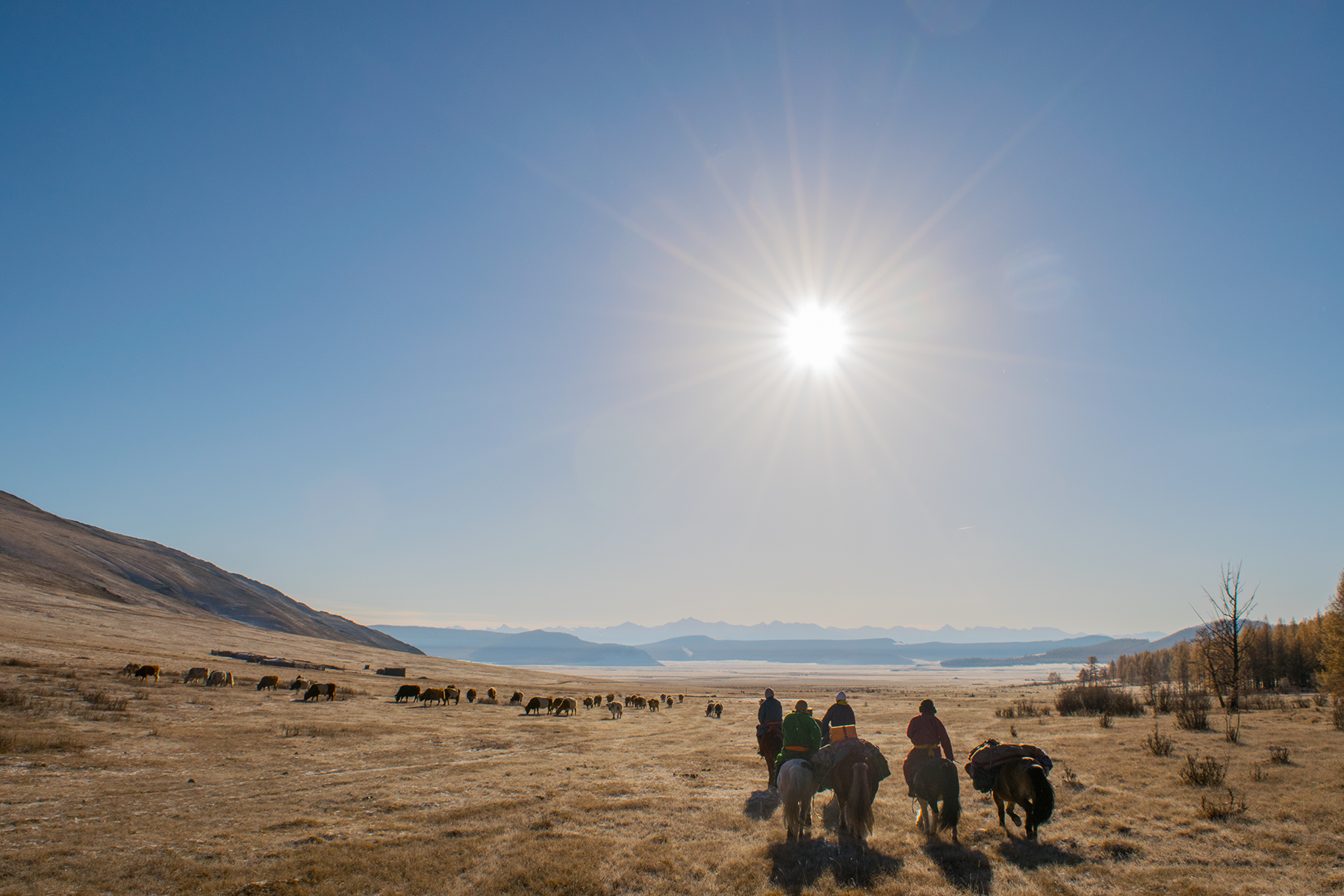
The eternal struggle of the documentarian is capturing someone in an authentic moment. As soon as one turns on the camera or the recorder, people start performing—masking themselves whether intentionally or not. This challenge is no different for Dimitri Staszewski, who has spent the last nine months as a MTV-U Fulbright Fellow filming and recording Mongolian herders singing and playing traditional music all over the East Asian nation.

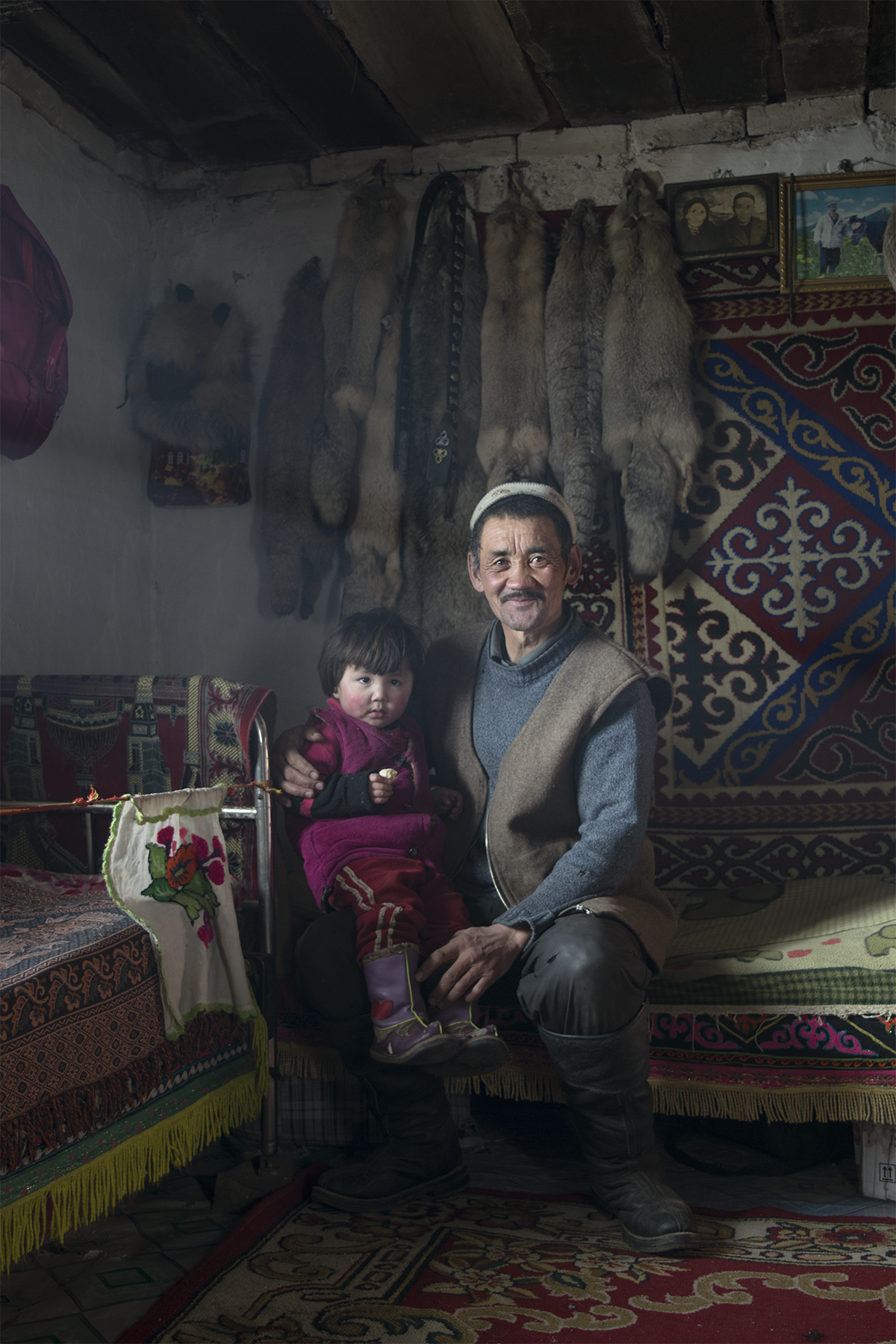
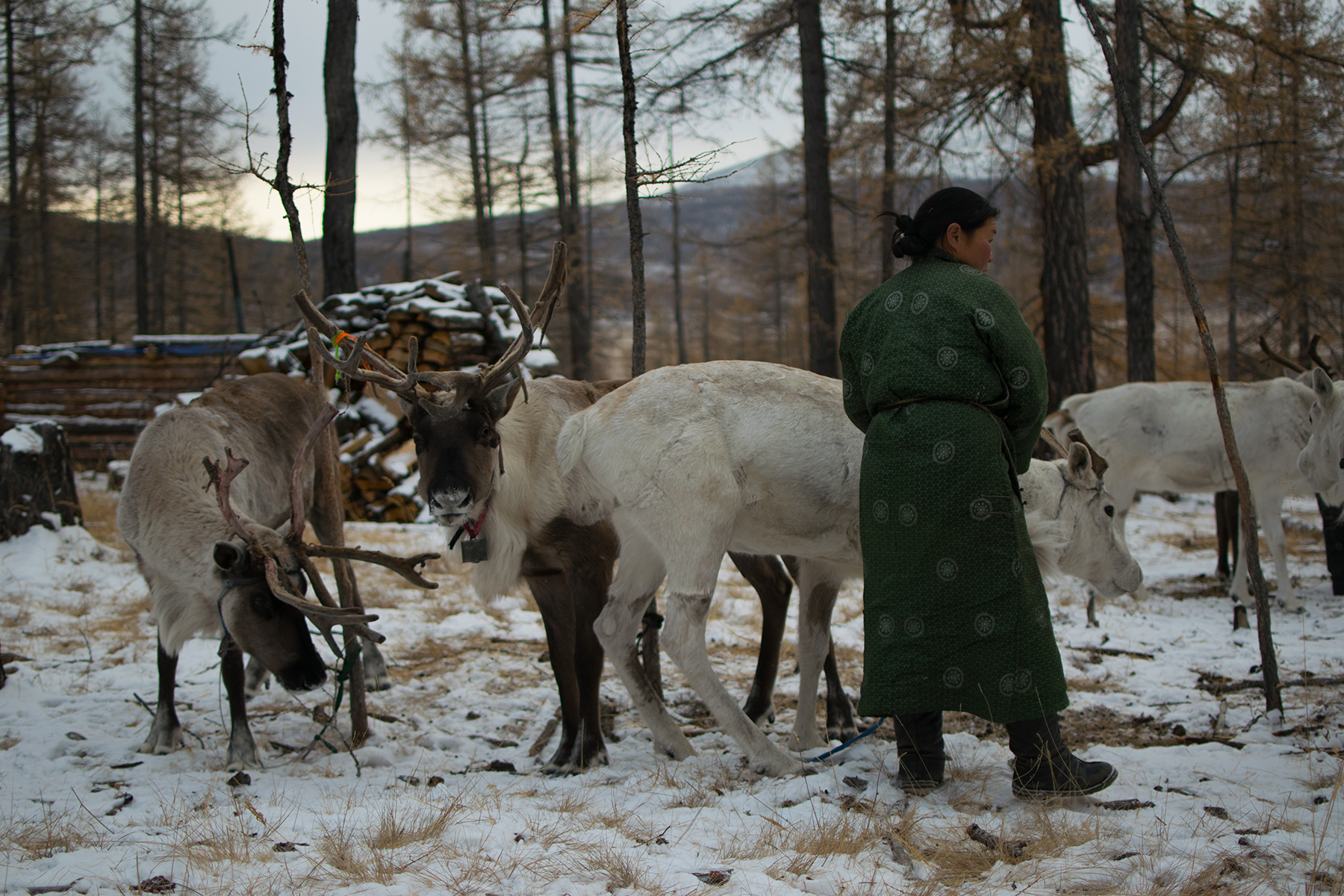
Staszewski has documented the voices of goat and sheep herders in the southwest, Kaskak eagle hunters and Reindeer People in the north, and more, always attempting to capture these lay singers in their natural state and preserve a tradition that is beginning to fade. Transverso sat down with Dimitri as he prepares to return to the U.S. to discuss his reflections on the process, why the singing of herders offers something unique, and the future of his online collection, the Mongol Music Archive.

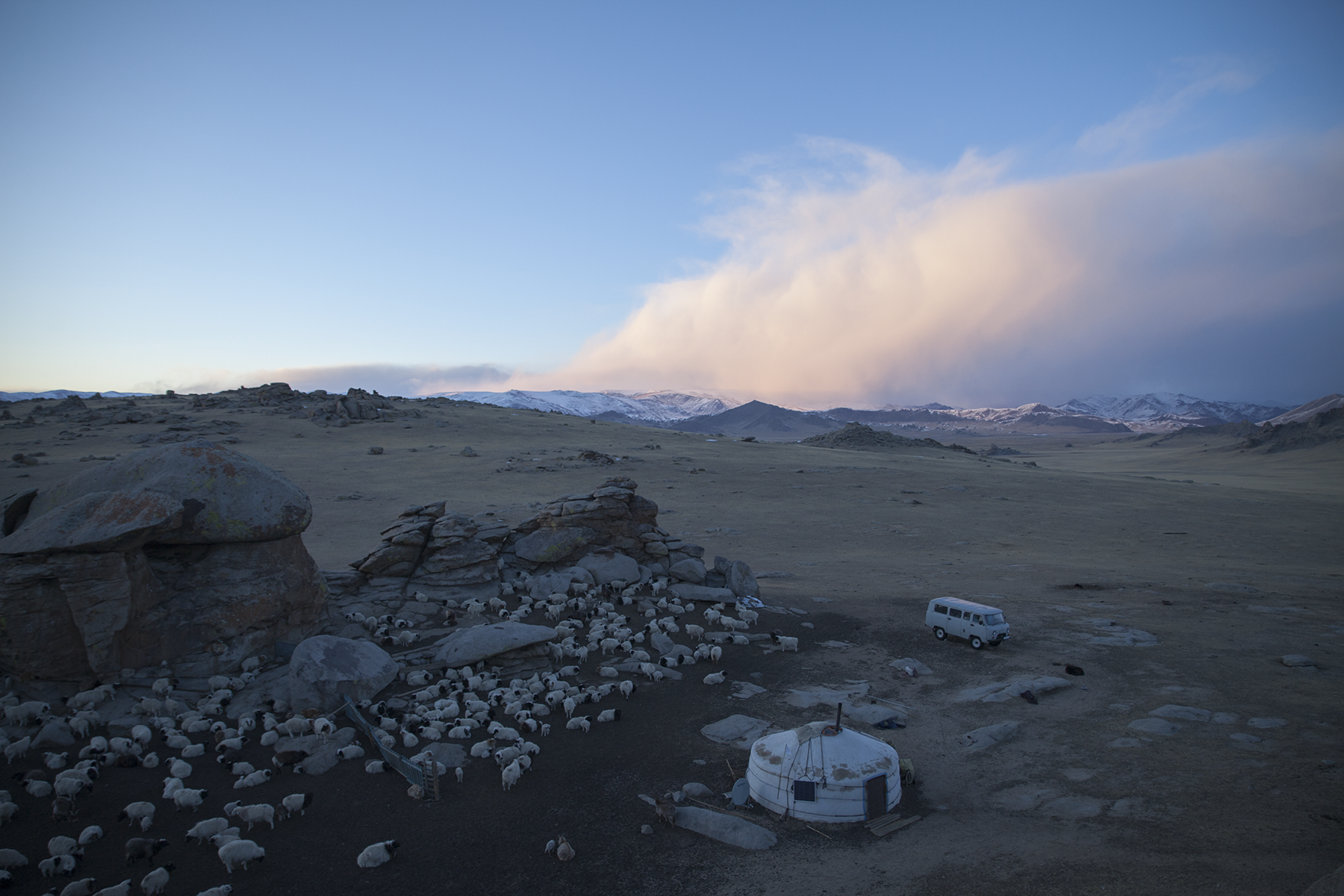
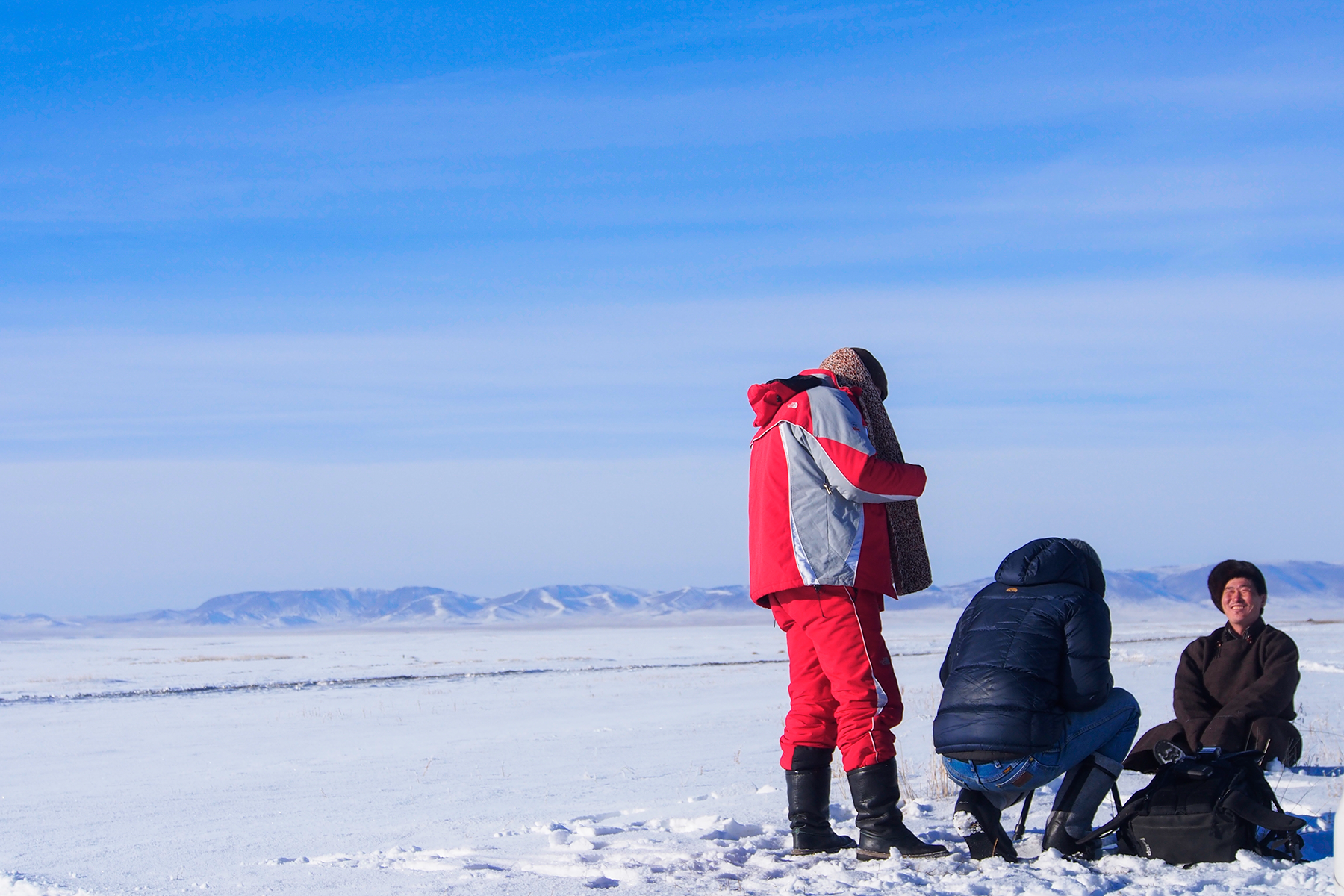
Auyl: A small community of Kazakh herders who live together Song name: Bürkit ani - Eagle song Performer: Boldbatyr "Boldeken" Kabit Performer's age: 51 Date: January 24, 2016 Location: Tolbo region, Bayan-Ulgii aimag Boldbatyr is a Kazakh eagle hunter living in Bayan-Ulgii—one of Mongolia's westernmost provinces. During a recording trip there I had the opportunity to record him singing about his eagle as she stood by calmly and listened. We were able to get the shot right at sunset which made for some beautiful lighting. We tried a second take after this performance, but it was already too dark.


TRANSVERSO: Having been in Mongolia for about 9 months now you’ve met with tons of Mongolians and done countless recordings. How are you feeling coming off this entire experience, and how do you feel about it coming to a close?

STASZEWSKIIt’s interesting because in the expat community I hang around, it’s a lot of academic type people, a lot of Ph.ds - people getting their Ph.d or about to defend their Ph.d - [and] there’s also a few journalists… so it’s been coming up a lot: “What are you going to do with your project?” And without me really asking, [they keep] telling me what they think I should do. [Laughs] Which is funny for me because [the Mongol Music Archive site] is what I’m doing, you know? And I guess I could be doing more with it, but for me it’s like this is the end result. But hearing all these academics, especially like these Ph.d-anthropologist type people, I think I’ve realized - and I started to realize this on my own anyway - I’m a recording engineer before anything else, definitely before an anthropologist, definitely before a photographer or writer. So I’m thinking, “what does a recording engineer do with this project that is supposed to serve ethnomusicologists and Mongolians?”

So you’ve gotten hours and hours of footage and recordings and now you’re wondering what’s the best use of this stuff now that you have it?

Yeah, exactly. Because I’ll put it all on the website, it will all be there, and there’s going to be close to over 200 videos, which is insane, and what do you do with that? How do people even know about that resource even? Unless they search it. And if you don’t speak Mongolian, it’s not really that useful. Yeah, so there is just so much more that can be done.

Obviously there is a big question of what you’re going to do with this, but going back to the beginning of why you decided to do this - and you’ve written overviews of your project and introductions to what you’re about - but I’m wondering if you can talk a little bit about the specific idea you discuss in your work: capturing herders singing songs, as opposed to professional musicians, and wanting to capture those herders in their natural element as they’re doing their work, not as performance. Why that is so interesting to you or why you think that is important.

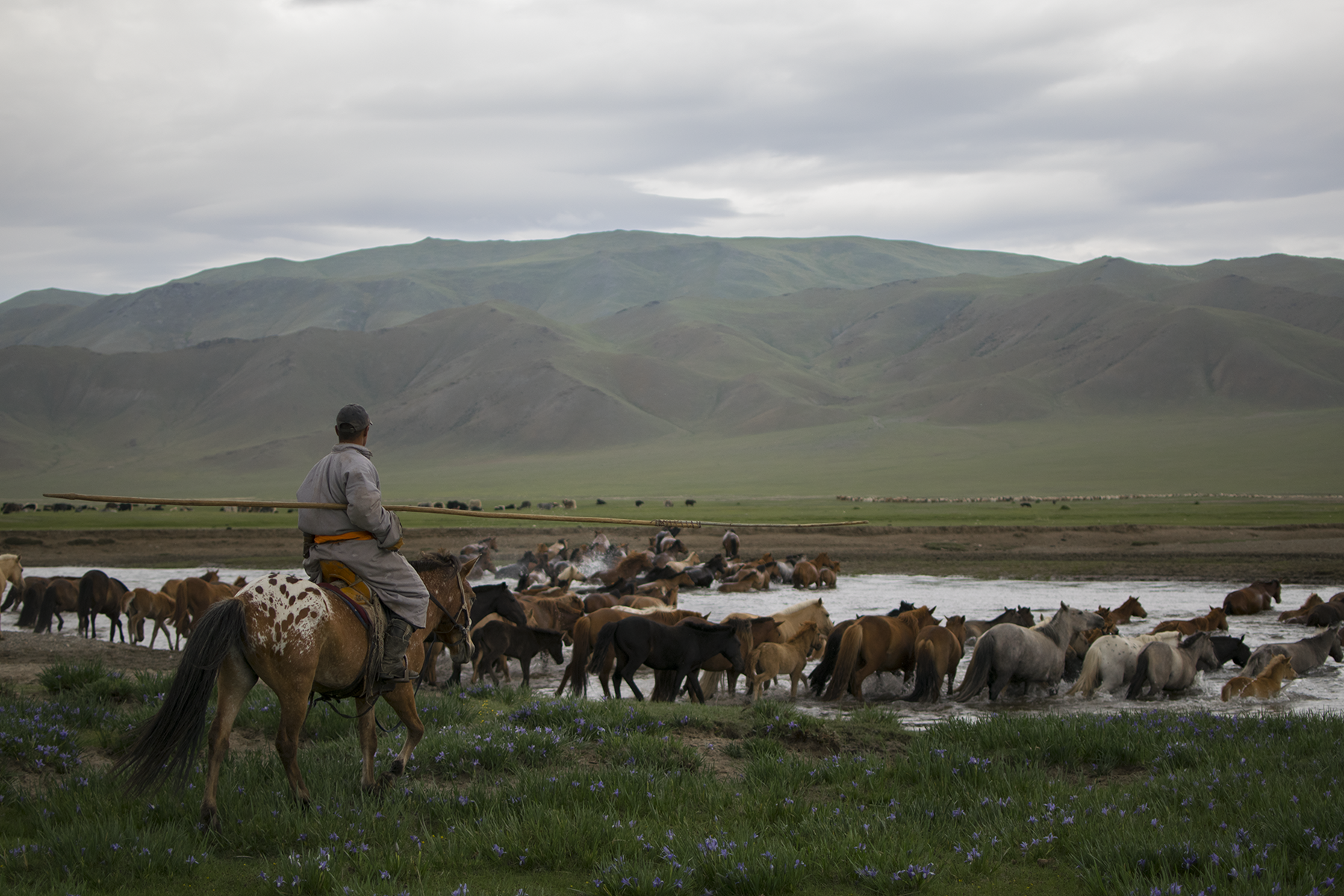
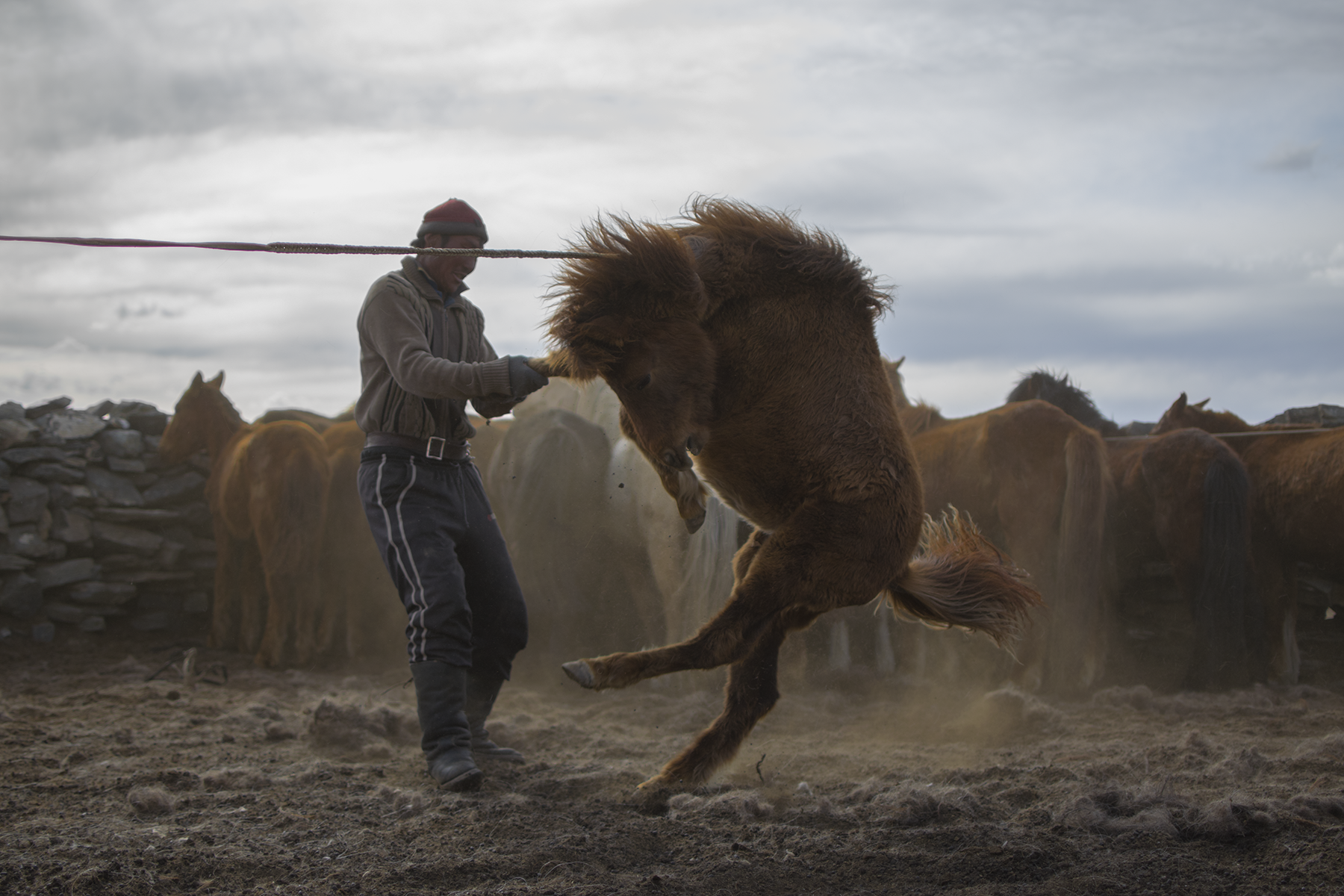
Traditional music is part of being Mongolian - like in the city - urban Mongolians listen to traditional music, there are lots of performances. It’s a respected profession to be a musician that performs traditional music. But I saw that the songs - the really old ones - come from herding culture, they come from that life style. If you’re singing about a mountain or whatever, you’re not singing about herding necessarily, but it comes out of being a herder. I noticed that there is this huge urbanization happening, this globalization, that’s influencing the music that is popular in Mongolia. So there are fewer herders singing, like young herders have access to tons of new music, they have TVs in their homes, so it’s happening less and less. The idea is to show… because when you see a herder singing about the environment that they’re in, like you see them next to their sheep and goats in the mountains, it’s so obvious that that environment and that lifestyle gives that herder a different perspective from someone who sings in the capital for their livelihood.

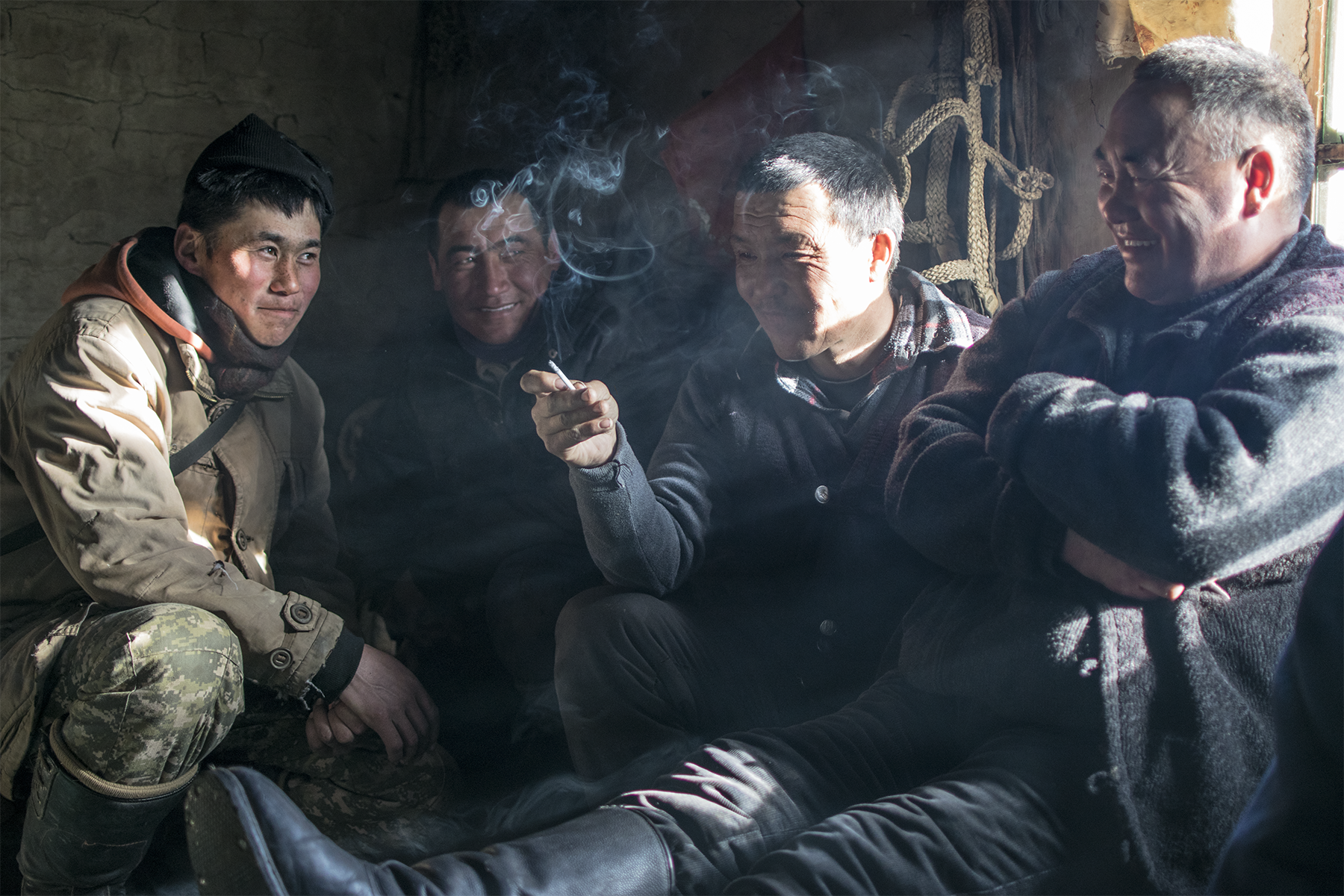
Performer: Tsendsuren Nadmid, Narantuya Gotov (daughter), and Batsaikhan Jagdad (son-in-law) Song name: Khuurkhun Borlog Mori Date: December 2015 Location: Delgerkhaan soum, Khentii aimag Tsendsuren is 79 years old and represents a group of herders who have seen the world change drastically in front of their eyes. Her mother gave birth to her in the field outside their ger. She remembers fishing next to Soviet soldiers when she was little. When she caught a fish, she would always run home right away because she was so excited. “The lake used to be rich with fish,” she said, “but now it’s getting scarce.” At the same time, herders with Tsendsuren’s musical experience are dwindling. When Tsendsuren was young, an old woman would sing with her. They never had formal lessons. Tsendsuren learned by listening and singing along with her would-be mentor. When her informal teacher died, Tsendsuren stopped learning new songs. She used to sing all the time when she was young. Now she says, “I am forgetting some of the songs.” She never had the opportunity to teach a young person what she knows.

What is it about them not singing for their livelihood, or them singing to their sheep or to the mountain or where they are, that provides something distinct from professional musicians that you think is important for people to hear?

Yeah, well I think it’s important for them to hear and see. That’s the thing. My thesis is: A herder who this is their lifestyle, by recording these performances, I’m not just preserving that performance, I’m trying to preserve that perspective contained in that performance. Because that’s something - even if these songs aren’t being lost, that perspective is something that is being lost. And so, if you look at it in a more objective way, like there are regional differences in the way these songs are performed, the lyrics will be different the notes will be different, but bigger than that: as fewer people live like herders in Mongolia, it becomes more difficult to find that perspective. So kids living in UB [Ulaanbaatar, Mongolia's capital and largest city where 45% of the population resides] may not have heard, never seen a herder singing, and I know that’s true, there are kids you have never seen that. Even if you live in Mongolia, that’s not necessarily accessible, it’s not something to get to see or hear very often in your daily life.

And because young Mongolians in the capital aren’t hearing this music they are losing this important perspective that is part of their heritage?

It’s more that the role that singing plays in the life of the Mongolian herder can’t really be overstated, especially the men - women less so - but if you talk to any Mongolian man and ask them what they do when they are herding it is singing, they’re always singing. Maybe it's just a little humming, maybe it’s them belting out. And when you talk to the people who consider themselves local entertainers or musicians, it’s a way for them to practice. And so it’s more like that tradition as it exists is disappearing and what that tradition says about Mongolia and how that is part of peoples’ heritage is important to preserve as it becomes less common.

What you’re trying to capture is so difficult, right? Because I imagine as soon as you turn on the camera is creates in artificial situation. Has that been a challenge and how have you gotten around that?

Yeah, it’s definitely a challenge. You show up - and this is the anthropologist part of me speaking - and you’re trying to observe something, you’re trying to be a fly on the wall, but you’re this big white thing with a camera; you’re very intrusive, you’re the only thing that is not supposed to be there. And so, how I’ve gotten around that problem… first of all, learning Mongolian has helped a lot, because people are like, “oh damn!” Even if I go with a translator, being able to say a few things and show that I can actually speak Mongolian is pretty helpful to them being able to open up and know that “this guy actually cares, he’s not just trying to make a video to make money.” The two biggest things would be having a local person help you, get someone else invested who is not the performer, but who is your ally so that they can help you find musicians and be like, “this American guy, he’s doing this project, it’s so cool, he’s preserving our culture and it is so important. Will you please sing for him?” and that’s obviously going to be so much more credible than me and my translator from UB.

And then the other thing would be going back to the people that I have recorded before. I think the guy who has been the best is the first guy I recorded when I was with SIT [Student International Training], and I’ve gone and visited him 4 times now, and each time he gets more comfortable. So last time I was there I attached my wireless microphone to his Del, and hit record on my device and sometimes I was filming, sometimes I wasn’t filming, and it just ends up looking really natural. Sometimes it will take him a little while to warm up to it, but he always gets around to that. So my equipment is not longer intimidating to him. I’m just his friend now. So it has become really easy.

So you’ve built this friendship with him and he trusts you, but also understands what your project is all about and trying to achieve.

Exactly. Like, I have this video that’s about 10 minutes, and its what I’ve always wanted to get because it’s just him herding, singing as he’s herding. And I was able to get that because I had this wireless microphone that I attached to him and I was just like “do your normal thing” and he was like “Okay, that’s easy.” And I think having it be that length kind of helps, because it makes you realize that this is not a performance, this is life and it is slow.

It’s like you’re capturing real life.

Yeah, and that took a long time. It took me visiting him 3 times and living with him close to a month.

Performer: D. Tseveng Date: March 2013 Location: Galuut soum, Bayankhongor aimag During a 12 day trip to Bayankhongor in 2013, I met Tseveng. He is well known in his community for singing traditional Mongolian folk songs. He used to sing in competitions and perform more regularly when he was younger, but doesn't have as many chances to perform as much as he used to. During an interview, which also included several musical performances, he asked if I wanted to hear and record him singing to his herd. Of course I jumped at the opportunity. This video is one of the songs I recorded during that performance. Tseveng has one son, but he's very shy. Summarizing Tseveng's own words, not everyone is meant to sing long songs, and unfortunately he probably won't pass his musical knowledge onto his son.

I imagine it is difficult because you can’t really live with everybody for that long.

Exactly, so another part of the project is that I want this huge archive. So some days I’ll record 3 or 4 people. I’ll introduce myself, I’ll introduce my project, and maybe will catch each other’s names, and then it’s like “Will you sing for me?” Well, maybe we’ll drink some tea before that. [Laughs] Yeah, so that’s the other side of the spectrum. You need to have both of those though. If I had just done one then I wouldn’t have any recordings or I wouldn’t have any meaningful recordings.

What has been the reception from Mongolians? I mean, you are this big white guy with a camera, right? And I know you’ve written about this before and I’ve seen you post about it on Facebook - this dilemma of capturing other peoples’ cultures on film and recording, putting it out there, and perhaps in some ways benefiting from it despite obviously going into it with good intentions.

For the people I’m recording, the experience is positive for both of us. Like I’m taking this tangible thing away and it will become a video. But I think they do gain… like a Mongolian herder doesn’t have the opportunity to see a video of them very often, and I do provide a way for them to see the videos, whether it’s me sending them a DVD or a link, and I’ll always send people pictures. The reception of herders varies from “Yeah, I’ll sing for you, but I don’t really see why this is important, or why you want me to sing because I’m not very good,” even if they are, and then there are some herders that are like, “Yes! This needs to happen, this is so awesome.” They understand that this [globalization] is happening more than I do because it’s their culture, so they fully realize that “I’m a herder and my children and their children will be able to hear this as much as I did growing up.”

And I think the reception of Mongolians in Ulaanbaatar is overwhelmingly positive. I’ve been really humbled by some people being like, “you are doing more for Mongolia than many Mongolians. I don’t even understand why you care about our culture,” which is super humbling to hear, and so it feels good to get that positive feedback.

I’m cautious as a foreigner documenting someone else’s culture, but I’ve [only] had maybe two or three experiences where there was some push back, but I’m really aware of that when it happens. And I think because of that I feel really comfortable being this foreigner. I’ve learned Mongolian, I understand the culture, I ask questions that make it clear that I understand what I’m studying, at least a little bit. So I don’t think being a foreign anthropologist has been something that turns people off. Like the few times where it did, where someone was unwilling to sing for me, it felt like it something on their end and like they had a chip on their shoulder, and it was like, “Okay, I don’t need to record you.”

Right, you just move on.

I know this may not be fully formed thing that you have yet. but what do you think is the global significance of the Mongol Music Archive? Is it just documenting this thing that might not exist anymore or is there some sort of larger message you are hoping will be achieved by preserving this specific subset of Mongolian music?

Yeah, that’s a really good question. There is obviously this one side of things that’s like: Mongolians and people around the world will have this part of Mongolian heritage that is not only preserved but also accessible. So even if [herding] still exists for a thousand years, you don’t get to see Mongolian herders singing very often, so now anyone can see that. And that’s really cool, it’s inspiring. It’s really beautiful to see an eagle hunter holding an eagle and singing to it. So knowing that these types of people are out there and making it real, you see that person, you see that they’re singing. I think that is really inspiring. So that would be the one thing.

And the other thing… like for me, I’ve learned so much from the songs themselves, the ones I’ve had translated. It’s really interesting because I’ll go around and record these songs, and sometimes I’ll have these really powerful experiences where I feel this connection with performer and get a really cool performance, but I don’t really understand the song. And so I’ll have them translated, and it’s really crazy when I had an impactful experience and then the song is translated and it’s like, “holy shit!” I didn’t even get that there and now I have this other thing… like the lyrics themselves are incredibly beautiful. I have a lot of the Kasak songs translated, and those ones especially, they are like lessons in the songs themselves. I’m hesitant to say it is this Old World knowledge or something like that, but it is something that doesn’t exist in modern music. You hear the songs, like there is this song this guy sings about his mother, and I had that song translated, and I was like, “I want to tell my mom that I love her” after hearing this song. Which is really amazing, that a song can make you feel that. That it can remind you to tell someone “I love you” or remind you to not be very jealous or to respect the place that you’re inhabiting. I think when you see this person singing about it really naturally - It’s just part of their life, it’s nothing to them - that it makes you think more about the meaning of the song.

Performer: Tulgaa Date: November 2015 Location: Ulaan-Uul soum, Khuvsgul aimag The Darkhad are a separate ethnicity from the ethnic majority in Mongolia, the Khalkh, but still herd the same animals as Khalkha herders; sheep, goats, yak, cows, and horses. Tulgaa explained that Darkhad folk songs are different than Mongolian folk songs because they don’t have any composers. Anonymous herders make up the words. The first song is about having pride for land and family. The second song is about being older, but remembering youth. I love this recording because it was actually the second take. The first take was done inside. After we finished, I told Tulgaa about my website (mongolmusicarchive.com) and asked if it would be okay to include his performance. He said it would be fine, but quickly decided he wanted to perform again, but outside. I think this speaks volumes to what my project is attempting to showcase. For so many Mongolian herders, “outside” is their stage. These performances are important to capture as that stage continually shrinks and as fewer Mongolians remain herders.

So the fact that they’re not professional musicians opens you up more the advice or the message of their song?

Yeah, when they’re out there herding and their singing, they’re only singing what they want, there is no other motive other than entertaining themselves. So they sing a song when the lyrics of the song are what they are feeling. When that guy is thinking about his mother, he sings that song. When he is appreciative for the valley he lives in or he misses relatives, he might sing a different song. But professional musicians, like it is always to make money, ya know? And they definitely have a connection to their music, but I think having that separation where it is purely, like fully just-for-me, it makes me take the advice or hear the message a lot more.

That makes me think about like when you see musicians play live a lot. Lets say they are playing 100 shows on a tour and they are singing the same song. It may be a really meaningful song, telling someone that you love them or providing advice, but because they are singing it every night over and over and over again, there is something about that that feels artificial. As opposed to somebody whose like, “I’m just out and about and this is what I feel like singing, my livelihood is not attached to this in anyway”

Yeah, I think that’s accurate. But I’m also hesitant to say something is artificial when I’m talking about someone’s culture. I think that’s something we have to be careful about. I would say the biggest message I take away is the positive, what I do get from these herders, as opposed to what I don’t get from professional musicians.

Sure, you don’t want to be disparaging other musicians, you just think there is something important to be captured in the way herders perform music.

So what are the future plans for Mongol Music Archive?

Yeah, I’ll be adding tons of music over the next few months. I’m also having this photo exhibit that will hopefully fund my life for the next month or two, which is probably possible because Wyoming, where I live, is super cheap. So I want to finish that, and I think I need some time to sit with it and think about how I’m going to compile it, because I do want to do something more than the website with it. So whether it’s publishing some stories, not necessarily about Mongol Music Archive, but stories that incorporate the music I captured or specific experiences, or culmination of experiences with the music tied into it, I have some specific ideas already. But yeah, just sitting with it. Nine months in a foreign country is a big deal, and when you have been solely focused on this one thing for nine months, I think I need to step back and think about what I’m going to do. 


See more of the Mongol Music Archive and like it on Facebook.