TRANSVERSO

- A culture magazine reaching terminal verbosity -

Listen to Space-y New Wild Beasts Single, "Celestial Creatures"

New MusicWeston PaganoComment

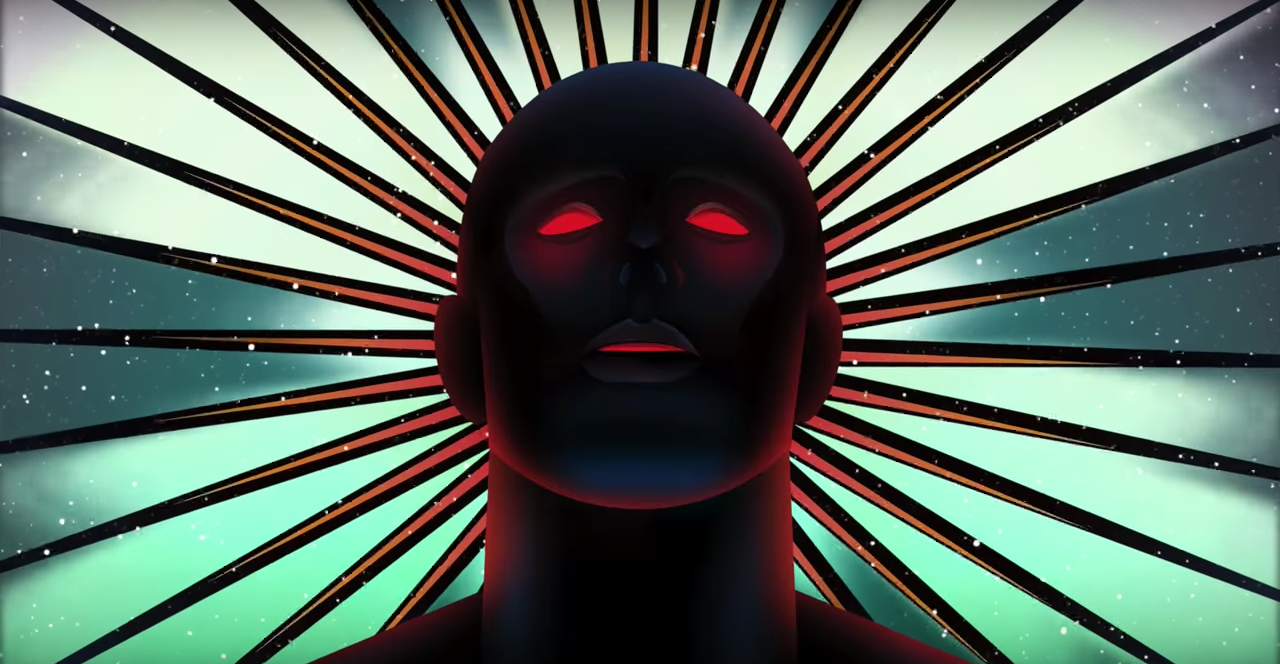
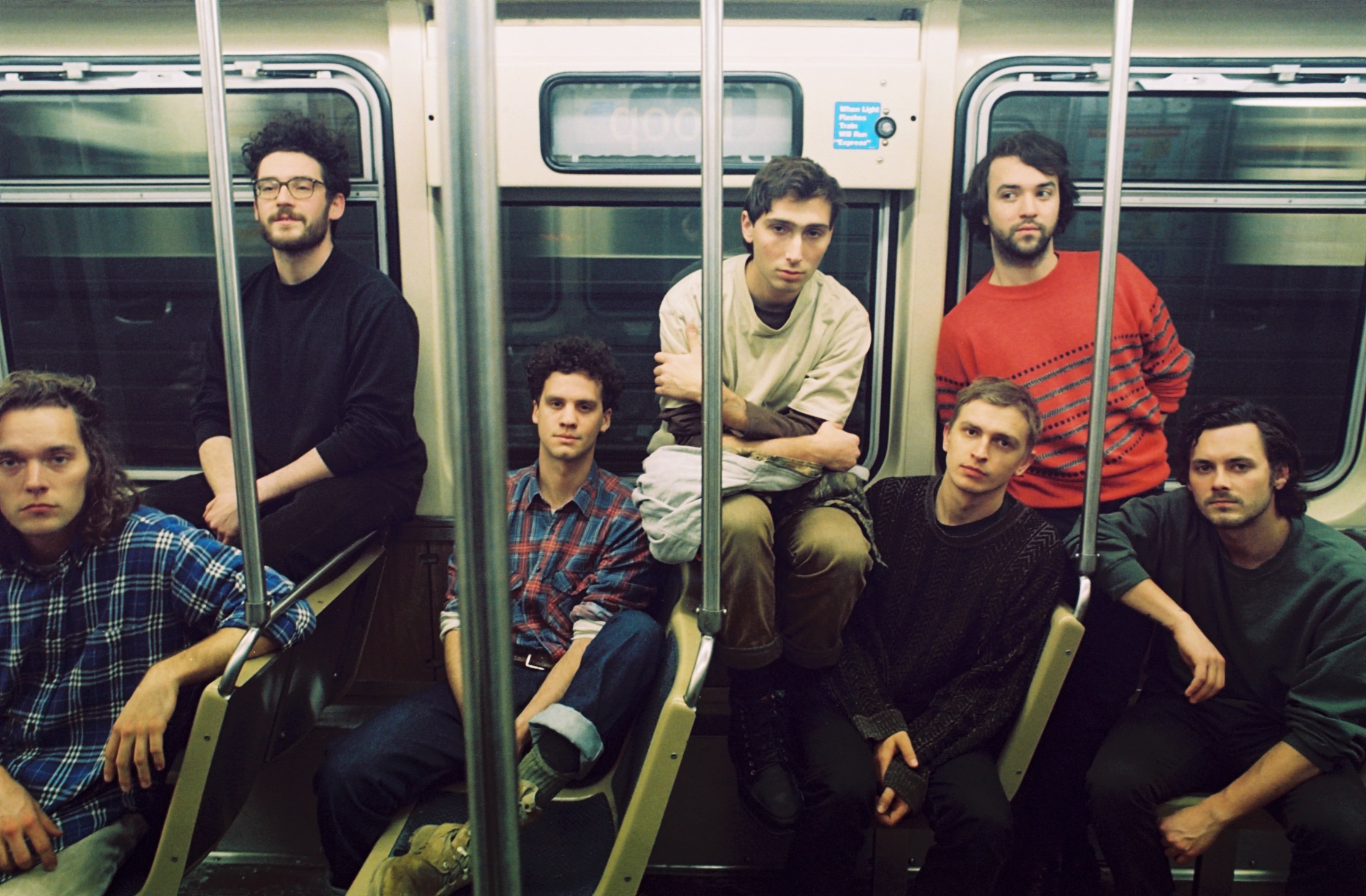
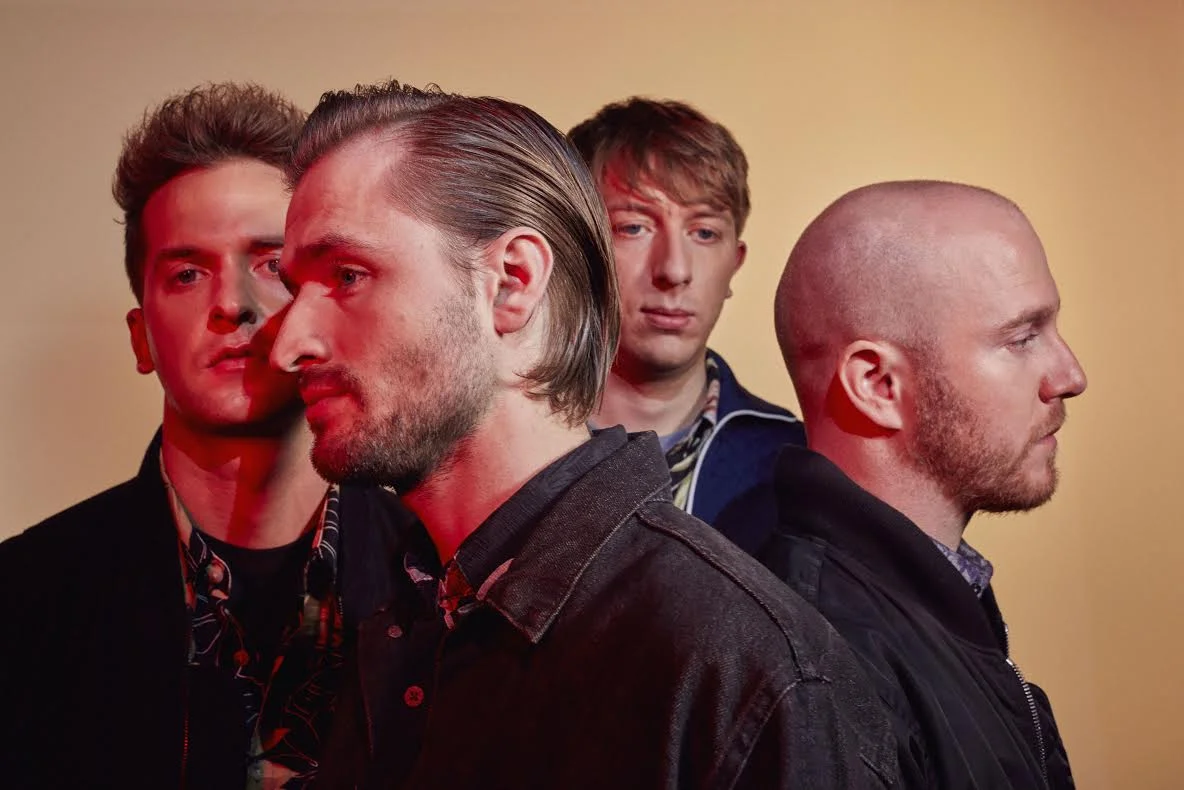
"Organic but digital, aggressive but tender, hallucinatory but clear-eyed." That's how Wild Beasts describe "Celestial Creatures," the third single from their forthcoming 5th LP, Boy King, due out August 5 via Domino, and we'd have to say we agree with that assessment.

Following "Get My Bang" and "Big Cat," the space-y track maintains a steadily uplifting locomotion, boosted by Hayden Thorpe's always elegant vocals. Listen below.

Wild Beasts - Celestial Creatures (Official Audio) from 'Boy King' - the new album out 5th August 2016 Pre-order digital: http://po.st/BoyKingDL Pre-order CD/LP/LPX: http://po.st/BoyKingStore Listen to Wild Beasts on Spotify: http://po.st/CelestialStream http://po.st/WildBeastsSP Follow Wild Beasts: Facebook: http://po.st/WildBeastsFB Twitter: http://po.st/WildBeastsTW Instagram: http://po.st/WildBeastsIN http://vevo.ly/PD9X6B

Preserving a Culture: An Interview With the Sound Engineer Documenting the Folk Music of Mongolian Herders

Music InterviewAndrew MeriwetherComment

All media by Dimitri Staszewski

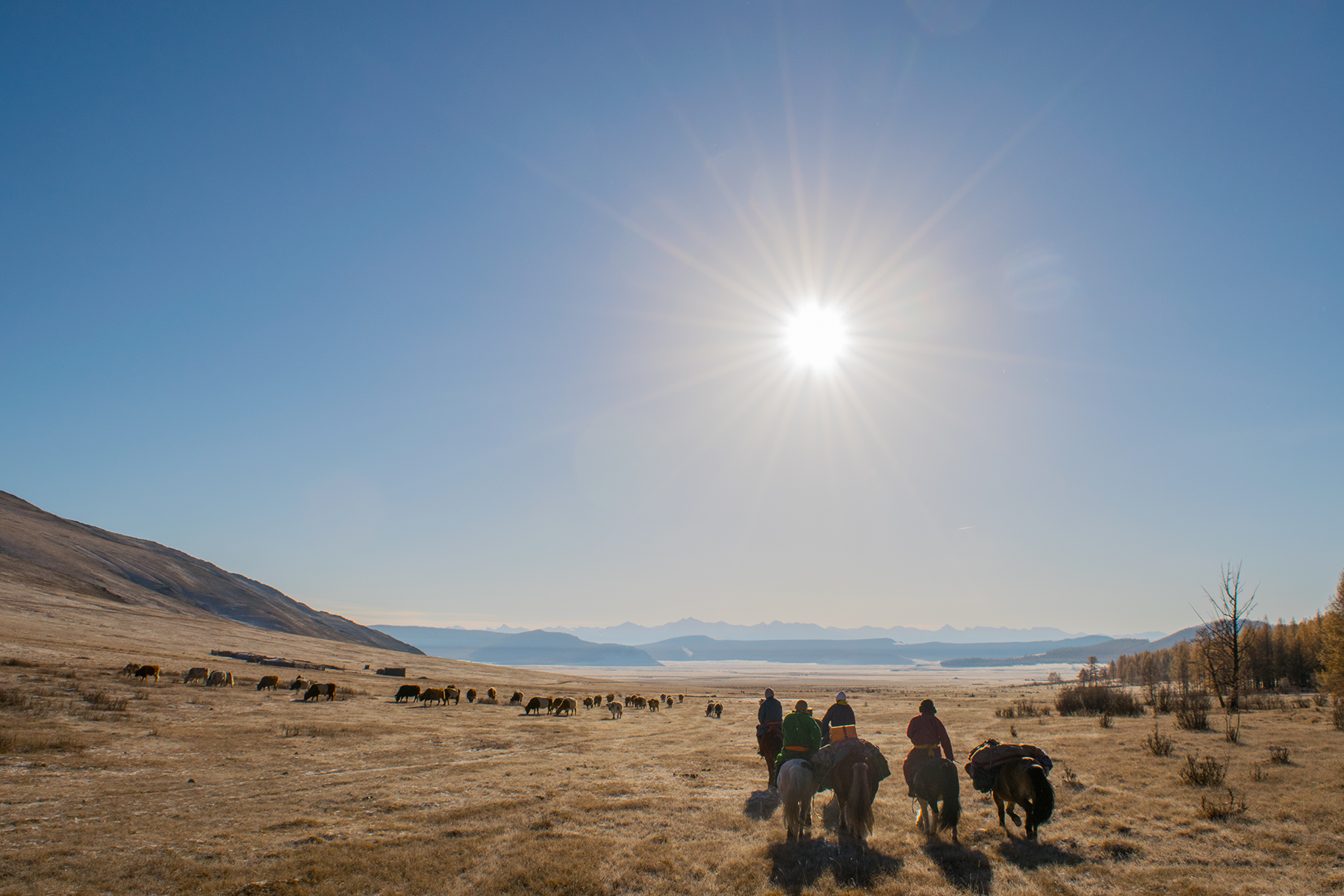
The eternal struggle of the documentarian is capturing someone in an authentic moment. As soon as one turns on the camera or the recorder, people start performing—masking themselves whether intentionally or not. This challenge is no different for Dimitri Staszewski, who has spent the last nine months as a MTV-U Fulbright Fellow filming and recording Mongolian herders singing and playing traditional music all over the East Asian nation.

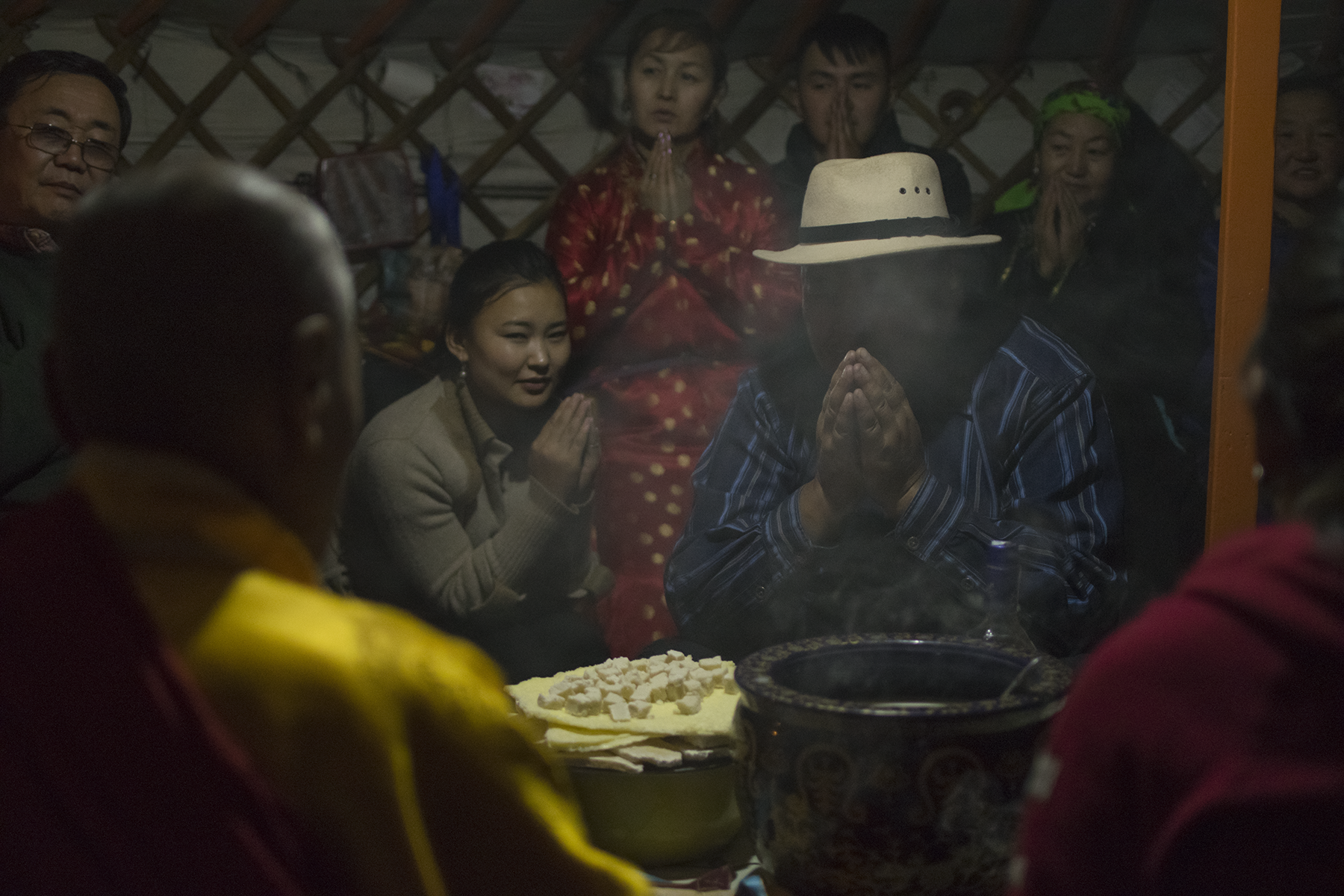
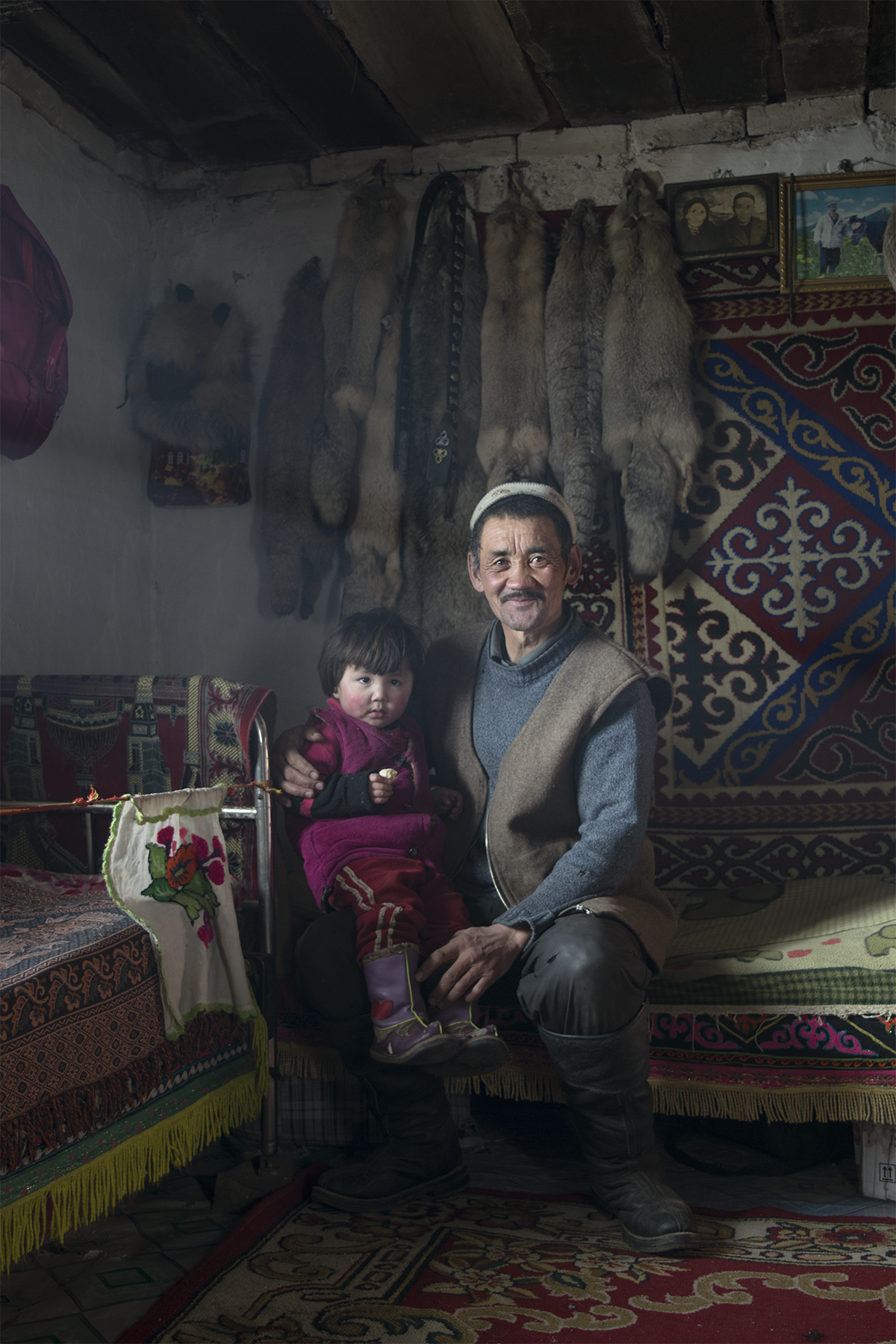
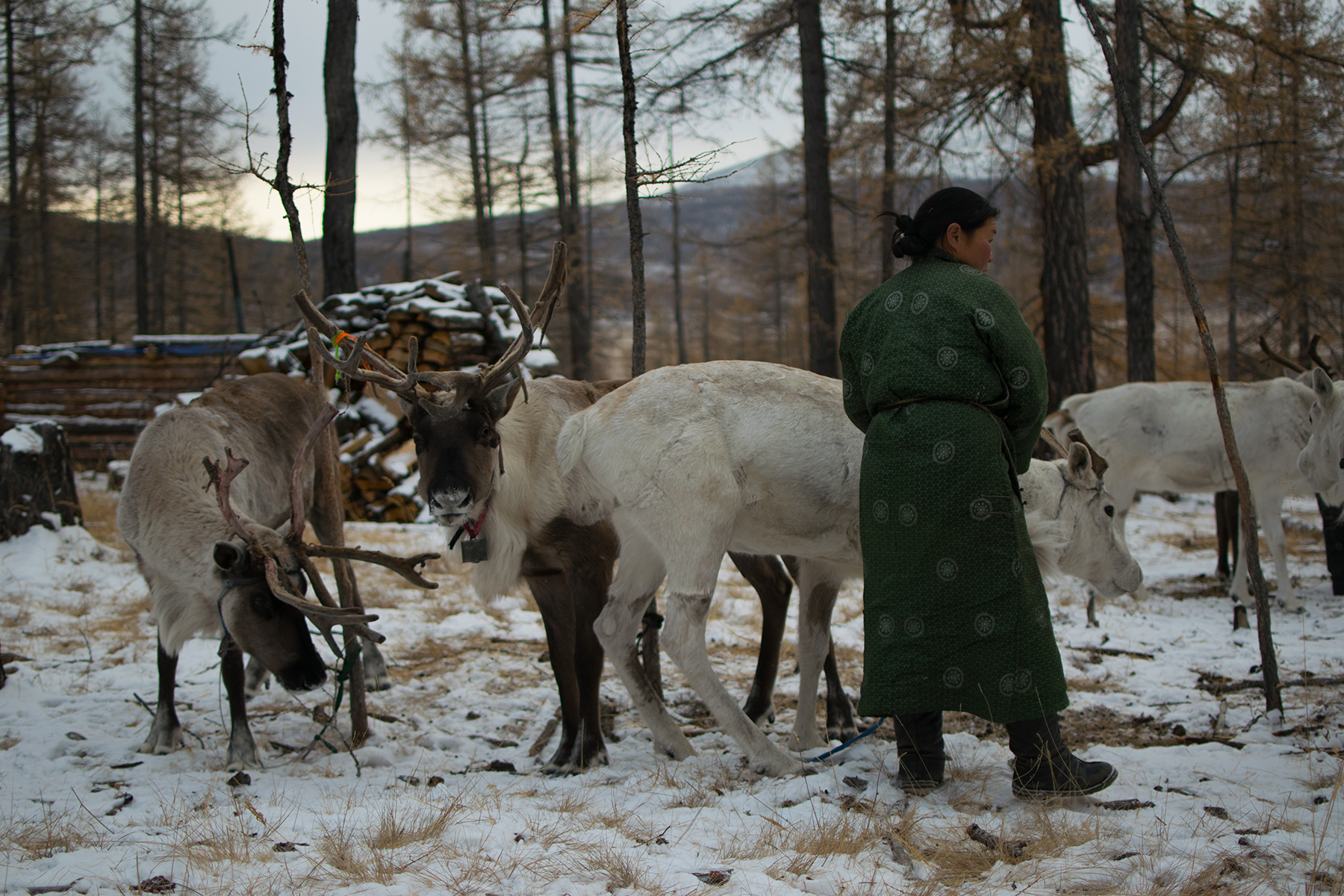
Staszewski has documented the voices of goat and sheep herders in the southwest, Kaskak eagle hunters and Reindeer People in the north, and more, always attempting to capture these lay singers in their natural state and preserve a tradition that is beginning to fade. Transverso sat down with Dimitri as he prepares to return to the U.S. to discuss his reflections on the process, why the singing of herders offers something unique, and the future of his online collection, the Mongol Music Archive.

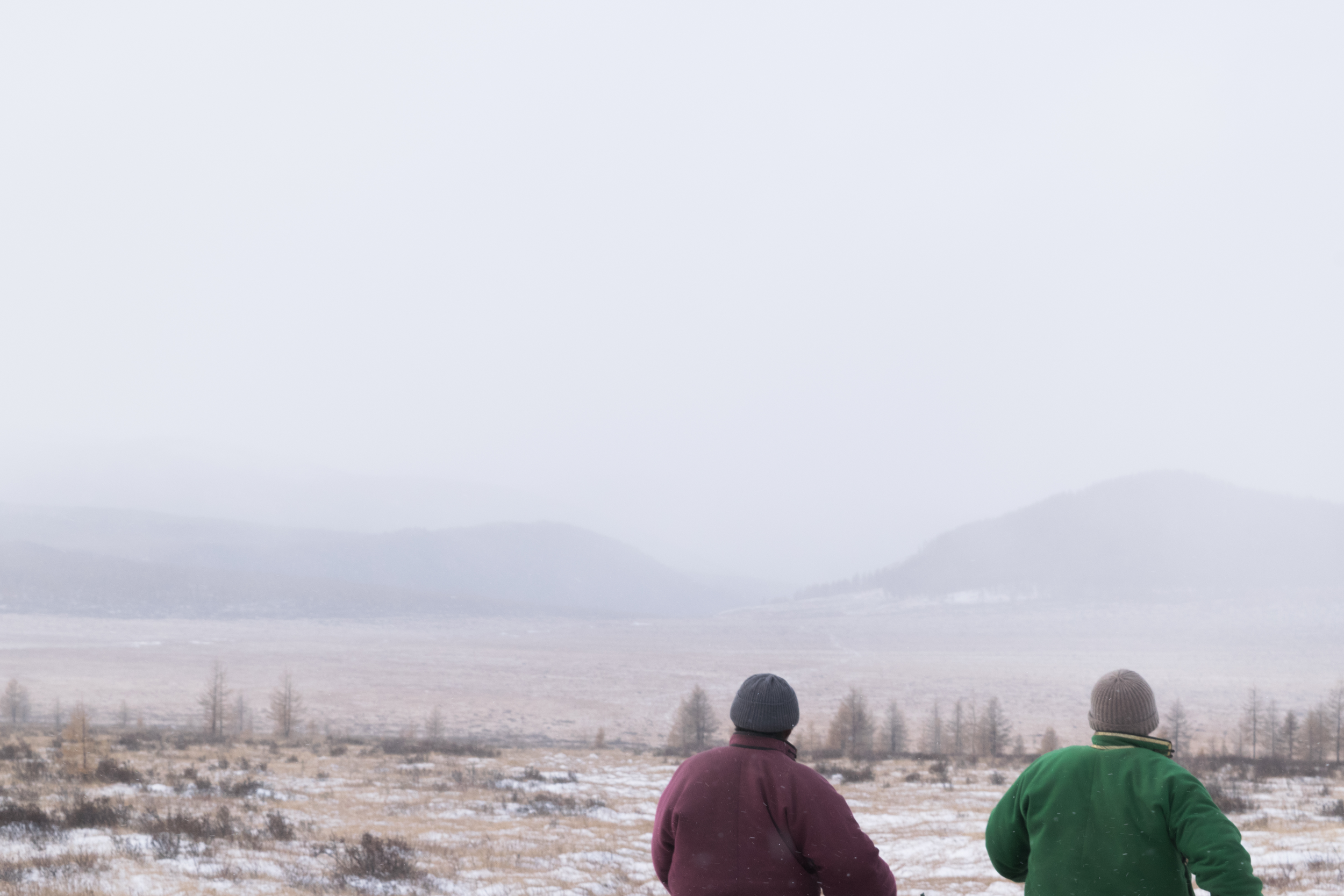
Auyl: A small community of Kazakh herders who live together Song name: Bürkit ani - Eagle song Performer: Boldbatyr "Boldeken" Kabit Performer's age: 51 Date: January 24, 2016 Location: Tolbo region, Bayan-Ulgii aimag Boldbatyr is a Kazakh eagle hunter living in Bayan-Ulgii—one of Mongolia's westernmost provinces. During a recording trip there I had the opportunity to record him singing about his eagle as she stood by calmly and listened. We were able to get the shot right at sunset which made for some beautiful lighting. We tried a second take after this performance, but it was already too dark.


TRANSVERSO: Having been in Mongolia for about 9 months now you’ve met with tons of Mongolians and done countless recordings. How are you feeling coming off this entire experience, and how do you feel about it coming to a close?

STASZEWSKIIt’s interesting because in the expat community I hang around, it’s a lot of academic type people, a lot of Ph.ds - people getting their Ph.d or about to defend their Ph.d - [and] there’s also a few journalists… so it’s been coming up a lot: “What are you going to do with your project?” And without me really asking, [they keep] telling me what they think I should do. [Laughs] Which is funny for me because [the Mongol Music Archive site] is what I’m doing, you know? And I guess I could be doing more with it, but for me it’s like this is the end result. But hearing all these academics, especially like these Ph.d-anthropologist type people, I think I’ve realized - and I started to realize this on my own anyway - I’m a recording engineer before anything else, definitely before an anthropologist, definitely before a photographer or writer. So I’m thinking, “what does a recording engineer do with this project that is supposed to serve ethnomusicologists and Mongolians?”

So you’ve gotten hours and hours of footage and recordings and now you’re wondering what’s the best use of this stuff now that you have it?

Yeah, exactly. Because I’ll put it all on the website, it will all be there, and there’s going to be close to over 200 videos, which is insane, and what do you do with that? How do people even know about that resource even? Unless they search it. And if you don’t speak Mongolian, it’s not really that useful. Yeah, so there is just so much more that can be done.

Obviously there is a big question of what you’re going to do with this, but going back to the beginning of why you decided to do this - and you’ve written overviews of your project and introductions to what you’re about - but I’m wondering if you can talk a little bit about the specific idea you discuss in your work: capturing herders singing songs, as opposed to professional musicians, and wanting to capture those herders in their natural element as they’re doing their work, not as performance. Why that is so interesting to you or why you think that is important.

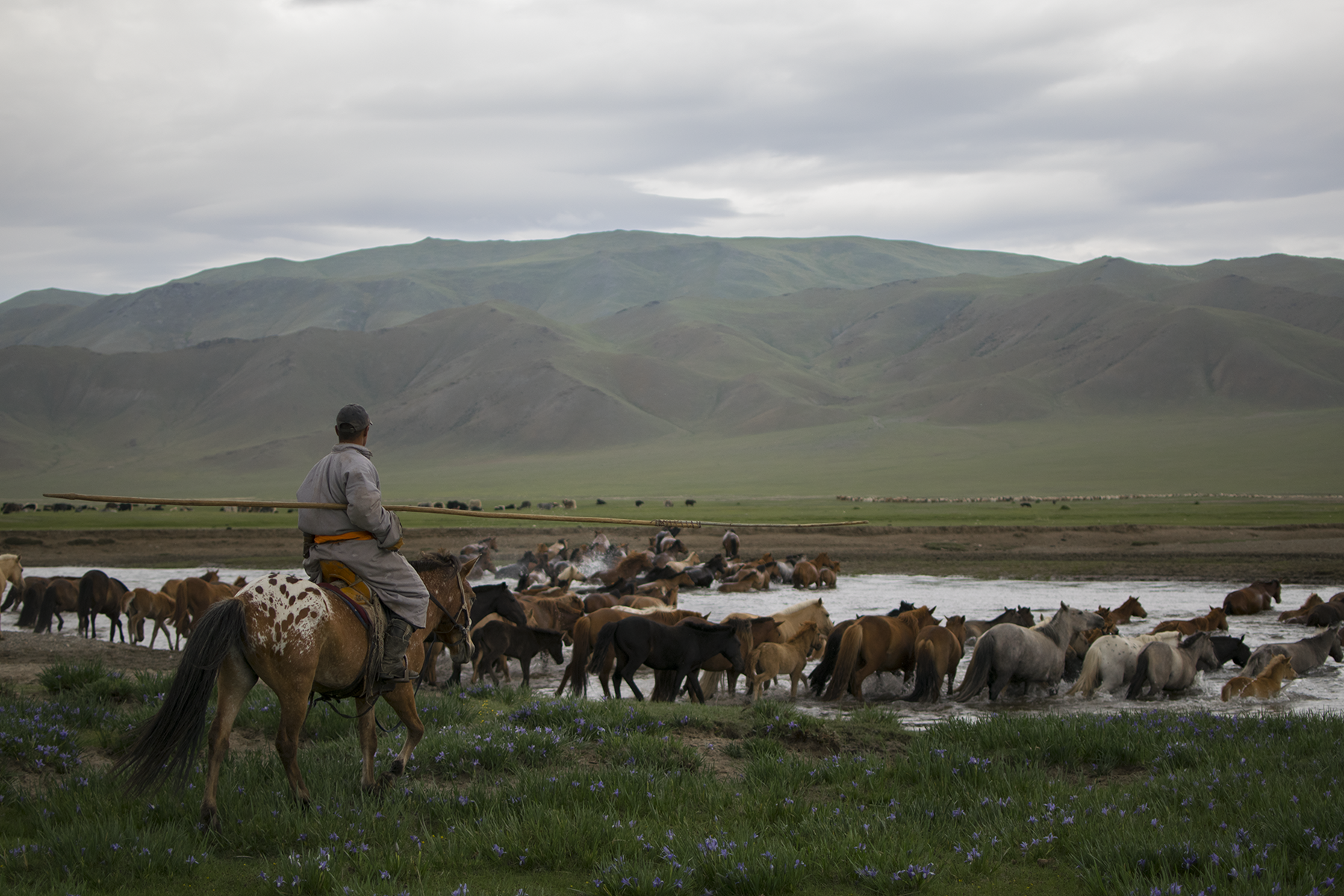
Traditional music is part of being Mongolian - like in the city - urban Mongolians listen to traditional music, there are lots of performances. It’s a respected profession to be a musician that performs traditional music. But I saw that the songs - the really old ones - come from herding culture, they come from that life style. If you’re singing about a mountain or whatever, you’re not singing about herding necessarily, but it comes out of being a herder. I noticed that there is this huge urbanization happening, this globalization, that’s influencing the music that is popular in Mongolia. So there are fewer herders singing, like young herders have access to tons of new music, they have TVs in their homes, so it’s happening less and less. The idea is to show… because when you see a herder singing about the environment that they’re in, like you see them next to their sheep and goats in the mountains, it’s so obvious that that environment and that lifestyle gives that herder a different perspective from someone who sings in the capital for their livelihood.

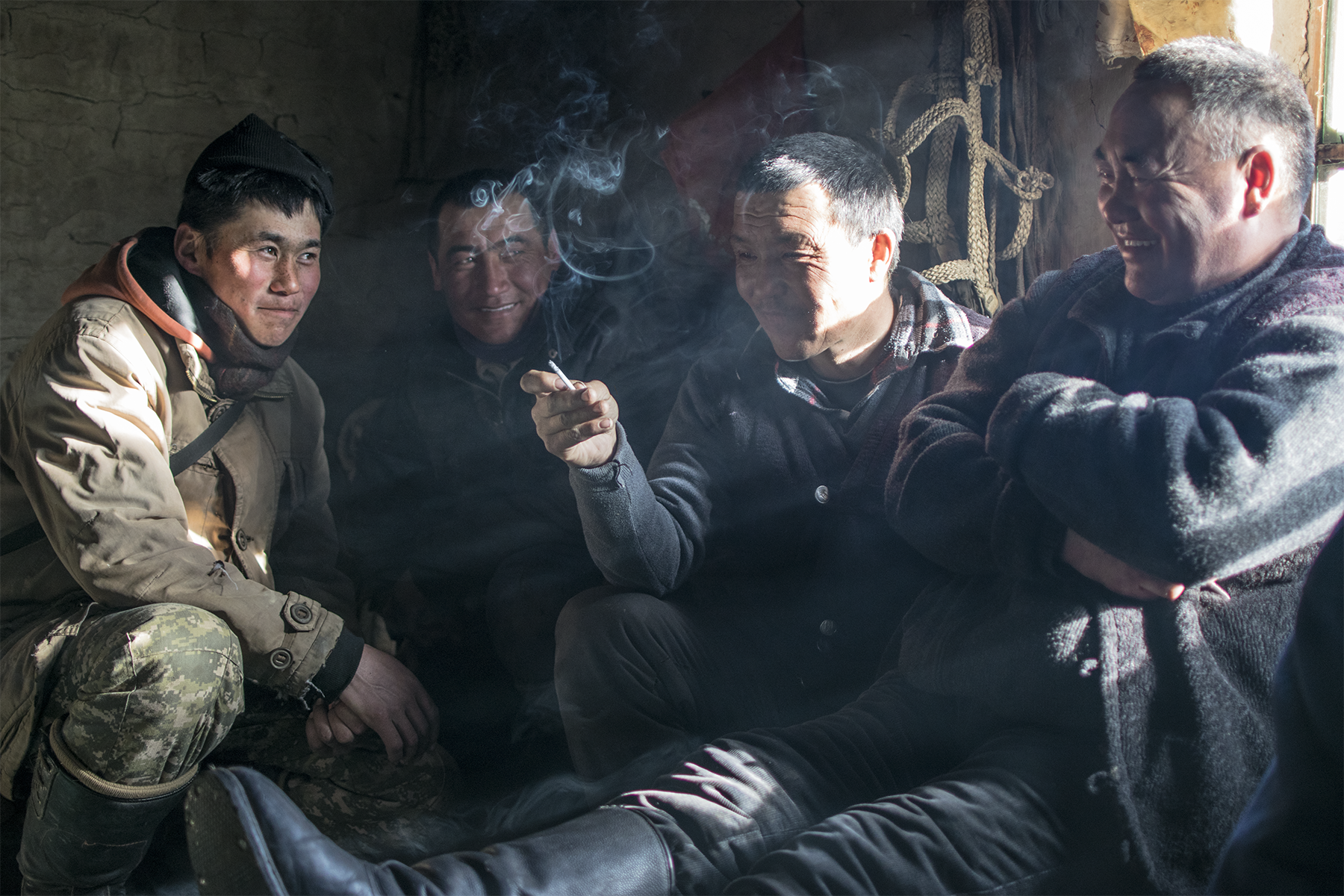
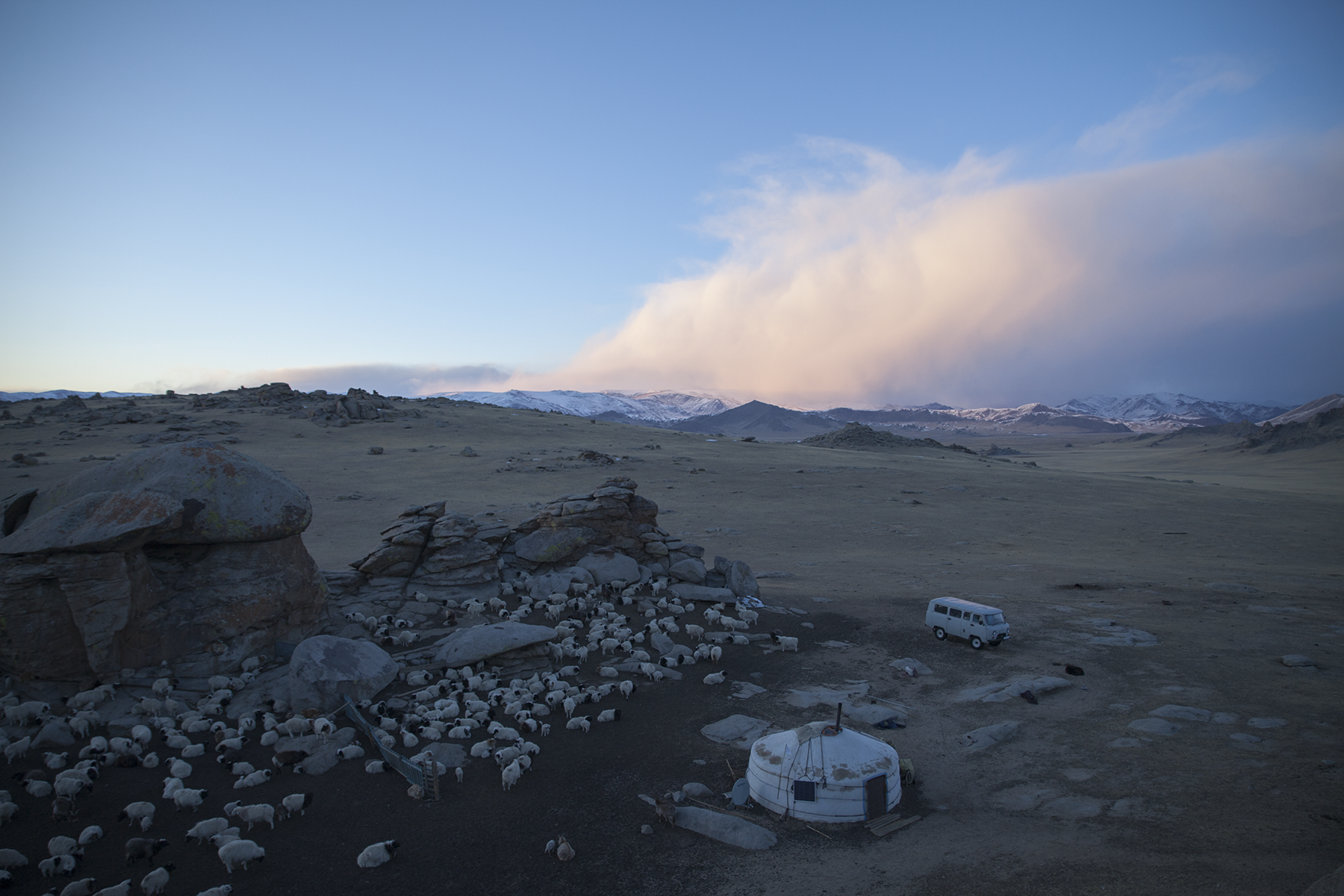
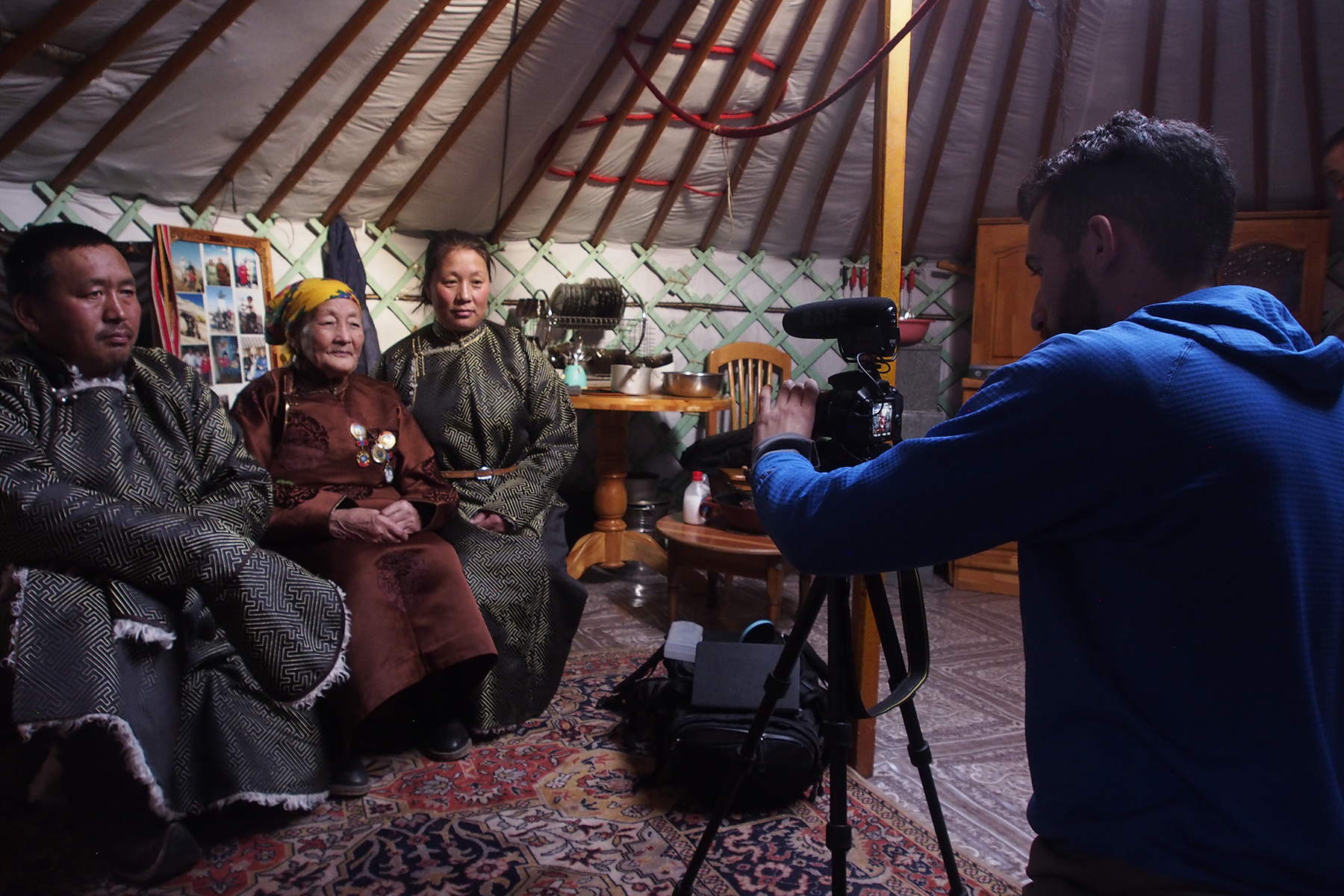
Performer: Tsendsuren Nadmid, Narantuya Gotov (daughter), and Batsaikhan Jagdad (son-in-law) Song name: Khuurkhun Borlog Mori Date: December 2015 Location: Delgerkhaan soum, Khentii aimag Tsendsuren is 79 years old and represents a group of herders who have seen the world change drastically in front of their eyes. Her mother gave birth to her in the field outside their ger. She remembers fishing next to Soviet soldiers when she was little. When she caught a fish, she would always run home right away because she was so excited. “The lake used to be rich with fish,” she said, “but now it’s getting scarce.” At the same time, herders with Tsendsuren’s musical experience are dwindling. When Tsendsuren was young, an old woman would sing with her. They never had formal lessons. Tsendsuren learned by listening and singing along with her would-be mentor. When her informal teacher died, Tsendsuren stopped learning new songs. She used to sing all the time when she was young. Now she says, “I am forgetting some of the songs.” She never had the opportunity to teach a young person what she knows.

What is it about them not singing for their livelihood, or them singing to their sheep or to the mountain or where they are, that provides something distinct from professional musicians that you think is important for people to hear?

Yeah, well I think it’s important for them to hear and see. That’s the thing. My thesis is: A herder who this is their lifestyle, by recording these performances, I’m not just preserving that performance, I’m trying to preserve that perspective contained in that performance. Because that’s something - even if these songs aren’t being lost, that perspective is something that is being lost. And so, if you look at it in a more objective way, like there are regional differences in the way these songs are performed, the lyrics will be different the notes will be different, but bigger than that: as fewer people live like herders in Mongolia, it becomes more difficult to find that perspective. So kids living in UB [Ulaanbaatar, Mongolia's capital and largest city where 45% of the population resides] may not have heard, never seen a herder singing, and I know that’s true, there are kids you have never seen that. Even if you live in Mongolia, that’s not necessarily accessible, it’s not something to get to see or hear very often in your daily life.

And because young Mongolians in the capital aren’t hearing this music they are losing this important perspective that is part of their heritage?

It’s more that the role that singing plays in the life of the Mongolian herder can’t really be overstated, especially the men - women less so - but if you talk to any Mongolian man and ask them what they do when they are herding it is singing, they’re always singing. Maybe it's just a little humming, maybe it’s them belting out. And when you talk to the people who consider themselves local entertainers or musicians, it’s a way for them to practice. And so it’s more like that tradition as it exists is disappearing and what that tradition says about Mongolia and how that is part of peoples’ heritage is important to preserve as it becomes less common.

What you’re trying to capture is so difficult, right? Because I imagine as soon as you turn on the camera is creates in artificial situation. Has that been a challenge and how have you gotten around that?

Yeah, it’s definitely a challenge. You show up - and this is the anthropologist part of me speaking - and you’re trying to observe something, you’re trying to be a fly on the wall, but you’re this big white thing with a camera; you’re very intrusive, you’re the only thing that is not supposed to be there. And so, how I’ve gotten around that problem… first of all, learning Mongolian has helped a lot, because people are like, “oh damn!” Even if I go with a translator, being able to say a few things and show that I can actually speak Mongolian is pretty helpful to them being able to open up and know that “this guy actually cares, he’s not just trying to make a video to make money.” The two biggest things would be having a local person help you, get someone else invested who is not the performer, but who is your ally so that they can help you find musicians and be like, “this American guy, he’s doing this project, it’s so cool, he’s preserving our culture and it is so important. Will you please sing for him?” and that’s obviously going to be so much more credible than me and my translator from UB.

And then the other thing would be going back to the people that I have recorded before. I think the guy who has been the best is the first guy I recorded when I was with SIT [Student International Training], and I’ve gone and visited him 4 times now, and each time he gets more comfortable. So last time I was there I attached my wireless microphone to his Del, and hit record on my device and sometimes I was filming, sometimes I wasn’t filming, and it just ends up looking really natural. Sometimes it will take him a little while to warm up to it, but he always gets around to that. So my equipment is not longer intimidating to him. I’m just his friend now. So it has become really easy.

So you’ve built this friendship with him and he trusts you, but also understands what your project is all about and trying to achieve.

Exactly. Like, I have this video that’s about 10 minutes, and its what I’ve always wanted to get because it’s just him herding, singing as he’s herding. And I was able to get that because I had this wireless microphone that I attached to him and I was just like “do your normal thing” and he was like “Okay, that’s easy.” And I think having it be that length kind of helps, because it makes you realize that this is not a performance, this is life and it is slow.

It’s like you’re capturing real life.

Yeah, and that took a long time. It took me visiting him 3 times and living with him close to a month.

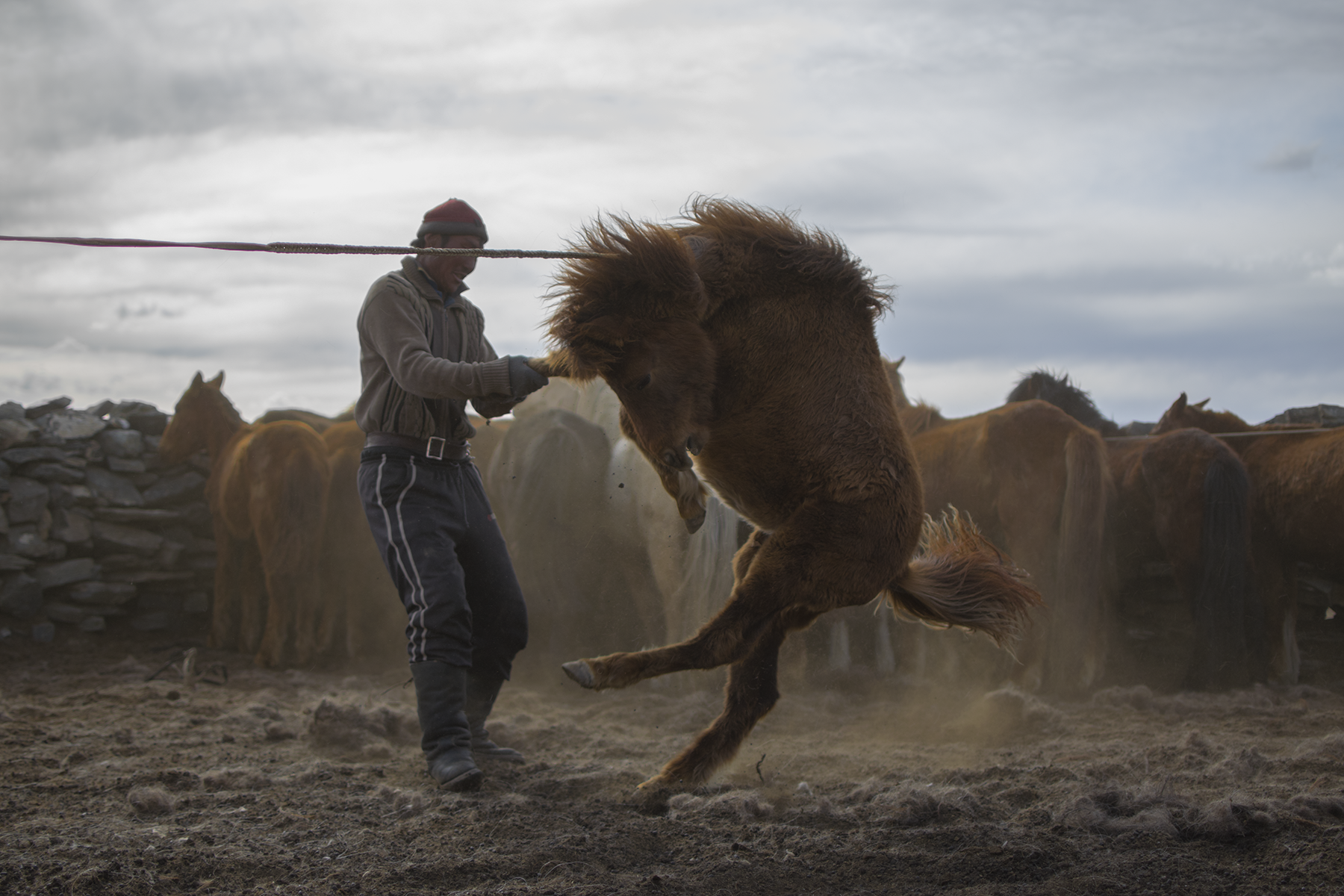
Performer: D. Tseveng Date: March 2013 Location: Galuut soum, Bayankhongor aimag During a 12 day trip to Bayankhongor in 2013, I met Tseveng. He is well known in his community for singing traditional Mongolian folk songs. He used to sing in competitions and perform more regularly when he was younger, but doesn't have as many chances to perform as much as he used to. During an interview, which also included several musical performances, he asked if I wanted to hear and record him singing to his herd. Of course I jumped at the opportunity. This video is one of the songs I recorded during that performance. Tseveng has one son, but he's very shy. Summarizing Tseveng's own words, not everyone is meant to sing long songs, and unfortunately he probably won't pass his musical knowledge onto his son.

I imagine it is difficult because you can’t really live with everybody for that long.

Exactly, so another part of the project is that I want this huge archive. So some days I’ll record 3 or 4 people. I’ll introduce myself, I’ll introduce my project, and maybe will catch each other’s names, and then it’s like “Will you sing for me?” Well, maybe we’ll drink some tea before that. [Laughs] Yeah, so that’s the other side of the spectrum. You need to have both of those though. If I had just done one then I wouldn’t have any recordings or I wouldn’t have any meaningful recordings.

What has been the reception from Mongolians? I mean, you are this big white guy with a camera, right? And I know you’ve written about this before and I’ve seen you post about it on Facebook - this dilemma of capturing other peoples’ cultures on film and recording, putting it out there, and perhaps in some ways benefiting from it despite obviously going into it with good intentions.

For the people I’m recording, the experience is positive for both of us. Like I’m taking this tangible thing away and it will become a video. But I think they do gain… like a Mongolian herder doesn’t have the opportunity to see a video of them very often, and I do provide a way for them to see the videos, whether it’s me sending them a DVD or a link, and I’ll always send people pictures. The reception of herders varies from “Yeah, I’ll sing for you, but I don’t really see why this is important, or why you want me to sing because I’m not very good,” even if they are, and then there are some herders that are like, “Yes! This needs to happen, this is so awesome.” They understand that this [globalization] is happening more than I do because it’s their culture, so they fully realize that “I’m a herder and my children and their children will be able to hear this as much as I did growing up.”

And I think the reception of Mongolians in Ulaanbaatar is overwhelmingly positive. I’ve been really humbled by some people being like, “you are doing more for Mongolia than many Mongolians. I don’t even understand why you care about our culture,” which is super humbling to hear, and so it feels good to get that positive feedback.

I’m cautious as a foreigner documenting someone else’s culture, but I’ve [only] had maybe two or three experiences where there was some push back, but I’m really aware of that when it happens. And I think because of that I feel really comfortable being this foreigner. I’ve learned Mongolian, I understand the culture, I ask questions that make it clear that I understand what I’m studying, at least a little bit. So I don’t think being a foreign anthropologist has been something that turns people off. Like the few times where it did, where someone was unwilling to sing for me, it felt like it something on their end and like they had a chip on their shoulder, and it was like, “Okay, I don’t need to record you.”

Right, you just move on.

I know this may not be fully formed thing that you have yet. but what do you think is the global significance of the Mongol Music Archive? Is it just documenting this thing that might not exist anymore or is there some sort of larger message you are hoping will be achieved by preserving this specific subset of Mongolian music?

Yeah, that’s a really good question. There is obviously this one side of things that’s like: Mongolians and people around the world will have this part of Mongolian heritage that is not only preserved but also accessible. So even if [herding] still exists for a thousand years, you don’t get to see Mongolian herders singing very often, so now anyone can see that. And that’s really cool, it’s inspiring. It’s really beautiful to see an eagle hunter holding an eagle and singing to it. So knowing that these types of people are out there and making it real, you see that person, you see that they’re singing. I think that is really inspiring. So that would be the one thing.

And the other thing… like for me, I’ve learned so much from the songs themselves, the ones I’ve had translated. It’s really interesting because I’ll go around and record these songs, and sometimes I’ll have these really powerful experiences where I feel this connection with performer and get a really cool performance, but I don’t really understand the song. And so I’ll have them translated, and it’s really crazy when I had an impactful experience and then the song is translated and it’s like, “holy shit!” I didn’t even get that there and now I have this other thing… like the lyrics themselves are incredibly beautiful. I have a lot of the Kasak songs translated, and those ones especially, they are like lessons in the songs themselves. I’m hesitant to say it is this Old World knowledge or something like that, but it is something that doesn’t exist in modern music. You hear the songs, like there is this song this guy sings about his mother, and I had that song translated, and I was like, “I want to tell my mom that I love her” after hearing this song. Which is really amazing, that a song can make you feel that. That it can remind you to tell someone “I love you” or remind you to not be very jealous or to respect the place that you’re inhabiting. I think when you see this person singing about it really naturally - It’s just part of their life, it’s nothing to them - that it makes you think more about the meaning of the song.

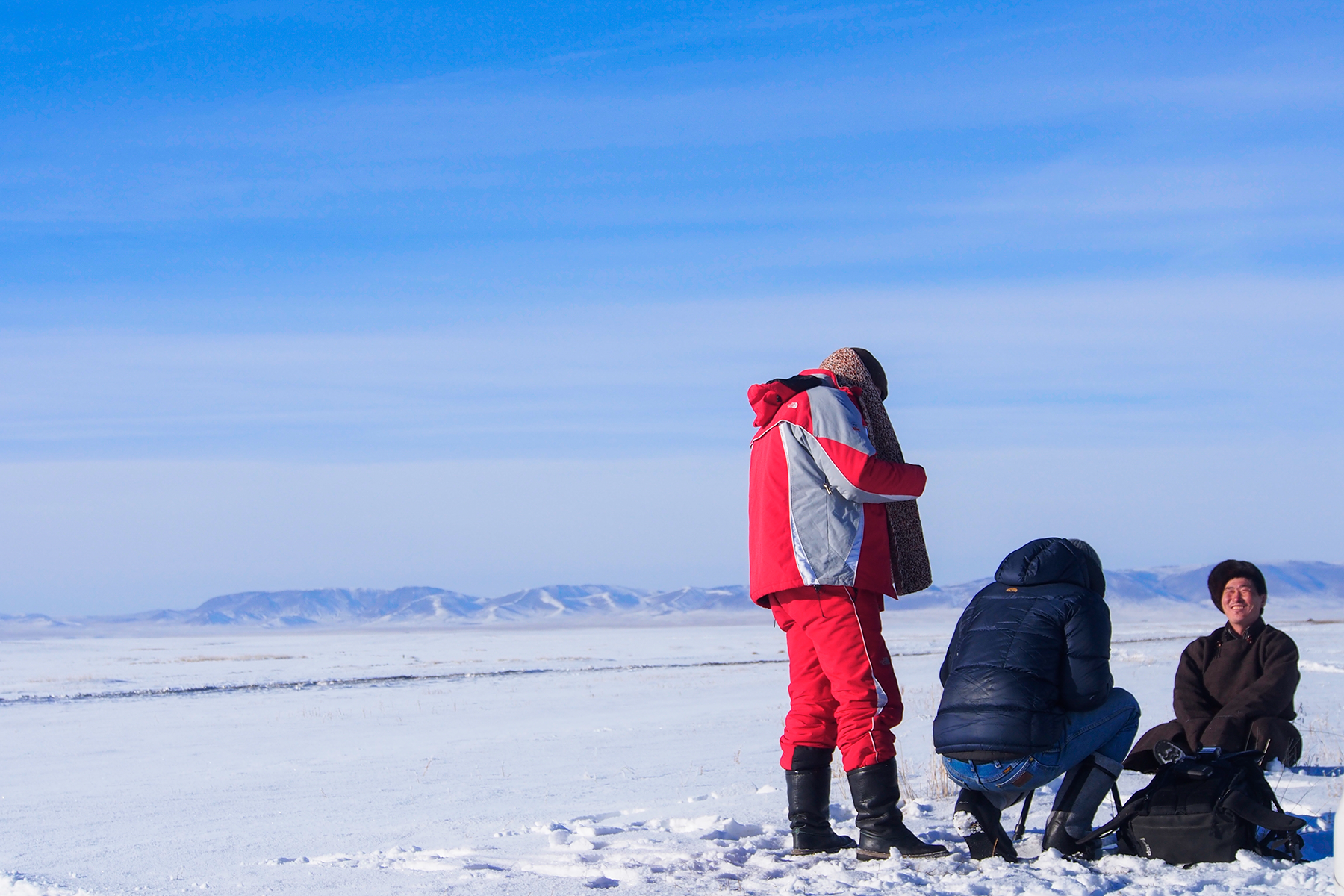
Performer: Tulgaa Date: November 2015 Location: Ulaan-Uul soum, Khuvsgul aimag The Darkhad are a separate ethnicity from the ethnic majority in Mongolia, the Khalkh, but still herd the same animals as Khalkha herders; sheep, goats, yak, cows, and horses. Tulgaa explained that Darkhad folk songs are different than Mongolian folk songs because they don’t have any composers. Anonymous herders make up the words. The first song is about having pride for land and family. The second song is about being older, but remembering youth. I love this recording because it was actually the second take. The first take was done inside. After we finished, I told Tulgaa about my website (mongolmusicarchive.com) and asked if it would be okay to include his performance. He said it would be fine, but quickly decided he wanted to perform again, but outside. I think this speaks volumes to what my project is attempting to showcase. For so many Mongolian herders, “outside” is their stage. These performances are important to capture as that stage continually shrinks and as fewer Mongolians remain herders.

So the fact that they’re not professional musicians opens you up more the advice or the message of their song?

Yeah, when they’re out there herding and their singing, they’re only singing what they want, there is no other motive other than entertaining themselves. So they sing a song when the lyrics of the song are what they are feeling. When that guy is thinking about his mother, he sings that song. When he is appreciative for the valley he lives in or he misses relatives, he might sing a different song. But professional musicians, like it is always to make money, ya know? And they definitely have a connection to their music, but I think having that separation where it is purely, like fully just-for-me, it makes me take the advice or hear the message a lot more.

That makes me think about like when you see musicians play live a lot. Lets say they are playing 100 shows on a tour and they are singing the same song. It may be a really meaningful song, telling someone that you love them or providing advice, but because they are singing it every night over and over and over again, there is something about that that feels artificial. As opposed to somebody whose like, “I’m just out and about and this is what I feel like singing, my livelihood is not attached to this in anyway”

Yeah, I think that’s accurate. But I’m also hesitant to say something is artificial when I’m talking about someone’s culture. I think that’s something we have to be careful about. I would say the biggest message I take away is the positive, what I do get from these herders, as opposed to what I don’t get from professional musicians.

Sure, you don’t want to be disparaging other musicians, you just think there is something important to be captured in the way herders perform music.

So what are the future plans for Mongol Music Archive?

Yeah, I’ll be adding tons of music over the next few months. I’m also having this photo exhibit that will hopefully fund my life for the next month or two, which is probably possible because Wyoming, where I live, is super cheap. So I want to finish that, and I think I need some time to sit with it and think about how I’m going to compile it, because I do want to do something more than the website with it. So whether it’s publishing some stories, not necessarily about Mongol Music Archive, but stories that incorporate the music I captured or specific experiences, or culmination of experiences with the music tied into it, I have some specific ideas already. But yeah, just sitting with it. Nine months in a foreign country is a big deal, and when you have been solely focused on this one thing for nine months, I think I need to step back and think about what I’m going to do. 


See more of the Mongol Music Archive and like it on Facebook.

Transverso's Guide to Pitchfork Music Festival 2016

Music ListTransverso MediaComment

Chicago is no stranger to music festivals. From Lollapalooza to Spring Awakening, the city boasts such an impressive lineup of lineups that it takes a uniquely impressive roster for a festival to stand out.

But over the past 11 years, Pitchfork Music Festival has carved out a space as one of the most consistent and distinctive weekends of the festival season, and it returns to Chicago’s Union Park this weekend to protect that title with a lineup that’s as confounding as it is exciting. After all, what other festival would juxtapose the aggravated experimentation of Girl Band and Oneohtrix Point Never with the powerhouse pop of Shamir and Carly Rae Jepsen? What other mainstream festival inexplicably devotes a sizable portion of its lineup to intricate jazz acts like Sun Ra and Kamasi Washington? What other festival hears Sufjan Stevens’ pained folk opus Carrie & Lowell and thinks “Now THIS is headliner material!”?

Yet for all of Pitchfork’s idiosyncrasies, there are some unfortunate elements it shares with its summer festival brethren: oppressive heat, unruly crowds, and a mystifying undercard filled with bands you’ve never heard before. While we can’t help you with the first two, we can offer a carefully curated guide to this year's lineup that highlights who we're most excited to see, as well as some excellent acts you might not be as familiar with yet. If you saw two bands you love on the schedule and impulse-bought a weekend pass, this is your chance to do your homework before gates open. Eventually you'll be able to tell your friends, “Oh, I saw [insert buzz band here] before they blew up,” as you’re waiting to see them headline a much larger festival, and after all, isn’t that what Pitchfork is all about?

Fire up the playlist below and check out Transverso's staff picks for this weekend:


FRIDAY


Car Seat Headrest (Red Stage - 3:30)

In the recent avalanche of acclaim for his excellent Matador-released duo of LPs Teens of Style and Teens of Denial, Car Seat Headrest mastermind Will Toledo has been repeatedly praised for restoring dignity to that once-mighty staple Indie Guitar Rock. Whether or not “white dudes with guitars” is a genre that needed any help is debatable, but it is notable that CSH is opening the festival; after all, this is a band trafficking in a sound that once defined blogs like Pitchfork, and it’s a band that does it better than pretty much anyone else. Toledo is operating at the top of his game, both as a dynamic bandleader and a bluntly engaging songwriter, and you owe it to yourself to show up early and see him in action. (Julian Axelrod)

Whitney (Blue Stage - 4:15)

Buzz bands, man; they build and build into this ascendent phoenix, and at no point does anyone entertain any sort of demise (who would be liable for blame here... oh yeah, Pitchfork). Whatever the year, there's going to be one or two groups that materialize seemingly out of nowhere, and everyone believes "this might be the one." Which one, you might ask - no one really knows; it all seems vacantly aspirational. Following the Chicago locals' debut Light Upon the Lake, Whitney is 2016's buzz band du jour, but there's something about the former UMO man Julian Ehrlich-fronted melancholic machine that feels more purposeful than buzz bands passed. It's as if the mellifluous tones act as a misdirect from the calculated drive that "will be the one" to overcome the all too familiar buzz band descendent. Plus, they've got some dulcet guitar tones from Smith Westerns veteran Max Kakacek to go along with euphonious falsetto of Ehrlich. (Sean McHugh)

Moses Sumney (Blue Stage - 5:15)

There are some musicians whose make music so personal and achingly intimate that it seems almost perverse to see them perform in a festival setting (and many of them are playing Pitchfork this year!). But something about Moses Sumney’s music feels perfectly suited to a mid-day festival spot, where audience members can sway along as his ghostly falsetto dances around his hymn-like rhythms like an afternoon wind through the trees surrounding the Blue Stage. The California singer-songwriter doesn’t have much recorded output (he’s currently working on his debut 7” with Grizzly Bear’s Chris Taylor) but the opportunity to witness an astounding talent like Sumney before his inevitable ascent is hard to pass up. (Julian Axelrod)

Twin Peaks (Red Stage - 5:30)

Is scuzz rock a thing yet? Who knows? At this point, it seems almost certain there's going to be some reticent all-father of scuzz rock that will surely have a "sublime" rock-doc chronicling said public reservation, but for the time being, modern scuzz rock has been catapulted to the media-savvy masses due in large part to Chicagoans Twin Peaks. Lynch-ian name aside, the dudes in Twin Peaks will crush the grimiest hits only to turn around and slice you with a deft riff of garage punk wonderfully debased by scuzz pedals. Its a masterclass in punk rock sensibilities, with all five members likely to make a mockery of the pretension expected at Pitchfork. (Sean McHugh)

Mick Jenkins (Blue Stage - 6:15)

Let's be real here, Pitchfork is lacking heavily in the arena of hip-hop, rap, of urban culture in general. Feel free to attribute such a fact to manicured digits of Conde Naste, or perhaps this year was "thin" on "quality" rap artists. (Oh wait, it wasn't/isn't.) Thank goodness for Mick Jenkins - the bracket-ly inclined rapper from Chicago is bringing some swerve to a considerably emotionally, consciously, emphatically tepid lineup on the first day of Pitchfork. Expect to see Jenkins finally perform some tracks from his recently completed [T]he [H]ealing [C]omponent, along with tracks of the stellar [W]ater and [W]aves(Sean McHugh)

Carly Rae Jepsen (Green Stage - 6:25)

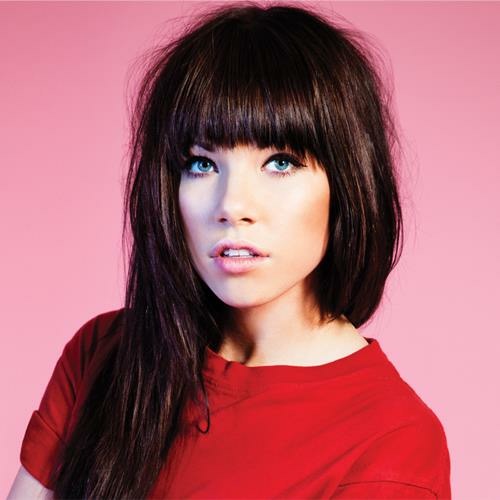
Is Carly Rae Jepsen an unknown artist waiting for her big break? No. Is she on an independent label? She is not. Is it weird that she’s playing this festival at all? Yes, it is very fucking weird. But put aside your preconceived notions about labels, genre, and fame and put on “Run Away With Me”. Listen to the opening saxophone wail, the breathy vocals and breathless crescendo, the heart-stopping beat before the massive chorus. Imagine experiencing that live in a giant park with a bunch of sweaty Pitchfork readers. Savor how weird and wonderful it is that one of the most prominent pop stars of our time is on a festival lineup with Sun Ra Arkestra. Pitchfork Fest only happens once a year – why not have some fun? (Julian Axelrod)

Broken Social Scene (Red Stage - 7:20)

One of the greatest indie bands no one seems to talk about, know about, or understand. At the very least, the Canadian collective has seen a revolving door of members that have gone on to become Feist, Metric, Stars, Tortoise, and Jason Collett. They've put out a handful of some of the greatest indie-records of the past two decades - You Forgot It People in 2002, and a self-titled LP in 2005 - and yet people still seem to have overlooked every last ounce of great music BSS has produced. While the complete lineup for BSS has not yet been determined (there have been times where only six members play a set, and nineteen the next), don't be surprised to see appearances from some of the larger names borne out of BSS (looking at you, Leslie Feist). So for the love of all that is good in the world, go pay your respects to your indie deities and see Broken Social Scene. (Sean McHugh)

Shamir (Blue Stage - 8:15)

Hi, Hi, howdy, howdy, hi, hi; Shamir is playing Pitchfork Friday night. This is going to be a dance party unseen by any other act sharing the Friday evening bill with Shamir. I highly doubt you're going to see any new-age Madonna vogueing mixed with Harlem Fela Kuti at Beach House or Twin Peaks, but you will definitely see it in one way shape or form at Shamir's set. Still running off the power of Ratchet, Shamir's sweet demeanor on stage mixed with the playful panache of his lyricism will undoubtedly make for a fun time while closing out the festival for the evening or finding some emotional respite before heading into the vibe-heavy Beach House set. (Sean McHugh)

Beach House (Green Stage - 8:30)

Rarely will you see a band perform so gracefully despite being so far out of their element as Beach House at an outdoor festival. In an interview with Pitchfork themselves, guitarist Alex Scally recounted how the 2007 edition served as a disastrous first festival appearance for the dreamy Baltimorean duo, as they failed to adjust to the conflicting noise and quick pace. Fast forward to 2016, and coming off the back of a one-two punch of stunningly gorgeous albums in Depression Cherry and Thank Your Lucky Stars, the pair are undoubtedly set to put in a far more veteran shift in their fourth Pitchfork appearance nearly a decade later. While the exposed stages of the outdoors will never offer peak conduciveness to the trancelike Beach House experience (and you do owe it to yourself to witness them at their best), having seen them at both ends of the spectrum from Bonnaroo's afternoon chaos to an intimate, dark theatre, I can attest even their lowest point is still swirling somewhere up in the loveliest clouds. (Weston Pagano)


SATURDAY


Circuit Des Yeux (Green Stage - 1:00)

Oh boy, here you go folks - if you fancy yourself an aficionado of good or "hip" music, or if you're one of those jagoffs that loves to say "I saw them before they were big," then here's your chance. Circuit Des Yeux is the work of Jackie Lynn, a highly prophesied Gemini out of Franklin, TN, that has since wandered her way up to Chicago to bring her femme fatale experimentalism to Pitchfork. Think if David Bowie met Roseanne Cash did tabs upon tabs; their vision quest brought them to Circuit Des Yeux. Its going to be a guaranteed weird old time. (Sean McHugh)

RP Boo (Blue Stage - 1:45)

One of the egregiously overlooked pioneers of Chicago footwork, RP Boo is going to bring some heavy grooves to Pitchfork to break up all that indie rock and brooding. Its probably going to be a small crowd at RP Boo's set, but that's fine by him, because Kavain Space is accustomed to being underrated and flipped over, but don't expect his music to be any sort of by-product of such an unfortunate reality. Be ready to dance your ass off at this set. (Sean McHugh)

Kevin Morby (Green Stage - 2:30)

You may know Kevin Morby from his stints in bands like The Babies and Woods (who also play Pitchfork this year), or you may know him from his excellent solo career. But you don’t have to know him from Adam to enjoy his warm, lived-in folk rock, which recalls the likes of Bob Dylan and Leonard Cohen in its lyrical specificity. (Check out “Dorothy,” a love song so heartfelt and tender you don’t even notice it’s about a guitar.) If you’re trying to kill time on a warm festival afternoon, it’s hard to do better than Morby’s propulsive, sprawling Americana. (Julian Axelrod)

Royal Headache (Blue Stage - 2:45)

A gang of punks comes to America from Australia. They call themselves Shogun, Law, Joe and Shorty. They proceed to fuck shit up. If this sounds more like the plot of a Mad Max sequel than the backstory of a Pitchfork act, that’s because Royal Headache are not your average buzz band. Over the course of just two albums, the group has perfected their signature brand of tuneful, heartfelt garage rock, bringing the acidity and wit of '70s punks like the Buzzcocks into the 21st century. If nothing else, you should check out their set to witness Shogun’s throat-scraping howl in person. (Julian Axelrod)

Savages (Green Stage - 4:15)

Go to Savages' set, for the love all things that are punk rock and not indie, go to Savages' set. Jehnny Beth (who recently made non-news with her "feud" with fellow fest act Sufjan Stevens) and her cohorts in Savages put on one of the best and most impressive live performances in terms of bravado and pure wall of sound fury. There's no frills of "hey guys, we're so honored to be here," but rather an unabashed smash-a-bottle-over-your-head existentialism that is a right of passage brilliance. Savages are arguably one of, if not the best live band on the festival circuit in 2016, so consider their set to be a nice upper before you head into the smooth grooves and grinds of, say, Dev Hynes. (Sean McHugh)

Blood Orange (Red Stage - 5:15)

Dev Hynes, otherwise has known as Blood Orange, distills what it means to have a contemporary musical sensibility. Drawing from everything, whether it’s post-punk, '80s soul, pop, and funk, free jazz, or the Golden Age of hip-hop, Blood Orange isn’t afraid to take genre and obliterate it. Coming off his critically acclaimed 3rd studio album, Freetown Sound, Dev has mastered his craft and his message. If there was ever a time to see him, now is the time, and like Kendrick Lamar, Blood Orange’s music is dialed in on the current state of affairs in this country. Do your do-diligence a favor by seeing this artist perform. Also, the man can dance. (Andrew Meriwether)

Brian Wilson performing Pet Sounds (Red Stage - 7:25)

This will be short - it doesn't matter who you are, what music you prefer - go see Brian Wilson. He's playing arguably the most formative pop record in all of music, Pet Sounds, in its 50th ANNIVERSARY, its a modern masterpiece, and a relic of what led to all this indie nonsense we listen to now. Go see Brian Wilson, you dopes. (Sean McHugh)

Anderson Paak (Blue Stage - 7:45)

I’ve never scheduled a music festival before. It seems like a tough job; no matter where and when you put each act, people are going to be upset that two of their favorite bands are playing at the same time. That said, what were the festival organizers thinking when they scheduled ascendant singer-rapper-musician Anderson Paak to play opposite Brian Wilson? Did they not think these two polymath masters of California soul would have any shared audience? Regardless, Paak’s set is required viewing for anyone who couldn’t care less about the Beach Boys. On his sun-kissed opus Malibu, he gleefully skips between sounds and styles, displaying a disregard for genre that comes with knowing he excels at everything he tries. If you don’t want to spend your Saturday night seeing a legend’s last bow, you can spend it watching a legend in the making. (Julian Axelrod)

Sufjan Stevens (Green Stage - 8:30)

Let's be honest, if you read Transverso, you're probably a Sufjan Stan. So you're already planning on bawling your eyes out at his set, as you should. It's a no brainer, and if you skip it, you might actually be brain dead. (Sean McHugh)


SUNDAY


Kamasi Washington (Red Stage - 3:20)

Its amazing to consider the fact that someone who is likely to go down as the finest modern neo-afro-jazz performer of a generation keeps getting thrown into such shitty festival slots. Kamasi's 2015 release The Epic is already one of the greatest albums of the decade, and will likely continue suit to become one of the best in the first half of the first century of the new millennium. Expect to be torn about by torrid saxophone and heaving afro-beat fusion only to be rematerialized by neo-classical soul that only Kamasi could provide. (Sean McHugh)

NAO (Blue Stage - 3:45)

Hey you hipster dopes! Here's another artist playing Pitchfork that (if you're lucky) you'll happen upon and two years from now, gleefully gloat about having seen her before she blew up! Or you'll just lie, because you know she was on the bill, but you didn't go because you actually just listen to the same homogenized aesthetic of music! Neo Jessica Joshua is going to break onto the scene like no other electro-funk artist has. She encompasses the pure new age R&B revivalism that music counter culture has so willfully embraced, and will undoubtedly usher in a new era of pop and R&B sensibilities to trip-hop and the like. (Sean McHugh)

Empress Of (Blue Stage - 4:45)

The Chicago Reader recently published a piece criticizing the gender disparity of Pitchfork’s lineup, and while the festival is definitely lacking in female artists, there are plenty of incredible women scattered throughout the lineup. Take Lorely Rodriguez, who records thoughtful, incisive electropop under the moniker Empress Of. Rodriguez’s songs play with a subtle tension between listener and artist, from her frantic beats to her pained cries to the topics she addresses in her music, such as gender roles and class disparity. She's also coming off a recent feature in Blood Orange's impressive Freetown Sound, and you can see her on Sunday to prove that incredible artists can always draw a festival audience, regardless of gender. (Julian Axelrod)

Neon Indian (Red Stage - 5:15)

Here's one of the most indomitable indie-pop electro bands to cut their teeth in the post-Aughts era, and they just continually manage to get wedged in between other sets for one reason or another. But that never stopped Alan Palomo and co. from putting on a hella good show, and put on a good show they will. Their 2015 release, Vega Intl. Night School was criminally overlooked by many a mediocre media outlet, but look out for standout tracks from the record like "Smut!" and "61 Cygni Ave" in the live set to keep you more than just interested. (Sean McHugh)


Jeremih (Green Stage - 6:15)

Every year, it seems like the indie crowd decides it would be ironically funny, or charitable (get over yourselves) to randomly select an early-Aughts R&B stalwart and suddenly plaster the "cool" ascription upon them. 2014 it was The Dream, 2015 T-Pain, and it looks like 2016 has seen Jeremih receive the indifferent title. Whether you're up to snuff on your knowledge of early-Aughts R&B or not, you have got to see Jeremih for the deep cuts off of his self-titled and stay for the dark hour virility of Late Night as well as Jeremih's rumored collaborations with PARTYNEXTDOOR. (Sean McHugh)

Thundercat (Blue Stage - 6:45)

It’s rare for session players to attain solo stardom, and that feat is even rarer for session bassists. But most musicians don’t have the vision, talent and ambition of Stephen Bruner, aka Thundercat. Whether you know him from his work with Kendrick Lamar and Flying Lotus, or his own jams like “Oh Sheit It’s X,” Bruner is a force to be reckoned with live, wielding his four-string like a weapon and leveling crowds with intricate basslines. There’s a good chance you won’t see anything else like Thundercat all weekend. (Julian Axelrod)

FKA Twigs (Green Stage - 8:30)

Non-conformism has become a little overwrought with this current generation of "don't you dare put me in a category" generation of pop-artists, but they all inevitably wind up being pretty much one in the same. FKA Twigs, however, is unequivocally her own entity, to the point of which it seems almost as if Twigs' role as pioneer pop fatalist has seen the likes of Madonna and Beyonce try and mimic (and of course, fail). The former choreographer not only has sumptuous and tempestuous post-R&B beats to help fuel the live performance, but her falsetto is so enviable, its hard to picture anything other than a cherubim uttering at the same octave. (Sean McHugh)

Oneohtrix Point Never (Blue Stage - 8:45)

You're looking at one of the most acclaimed electronic artists in the history of the genre in Daniel Lopatin, and you're getting a chance to hear one of the seminal genre records in a decade live - what more could you need to be brought to the set? (Sean McHugh)

Wild Beasts Aren't the Only Animals in New "Big Cat" Video

New MusicWeston PaganoComment

Wild Beasts reaffirm their position at the "top of the food chain" with the new video for second Boy King single and opening track, "Big Cat." Directed by Pablo Maestres and shot outside Barcelona, the "Get My Bang" follow-up shows the band on a curious car trip set most prominently to Hayden Thorpe's sultry vocals and a steady percussion backing, before concluding with a coyote standoff. Only when face to face, Wild Beast to wild beast, are you then treated to a brief glimpse of some sharp guitar fangs that leave you wanting more.

Thorpe explains,

If ‘Get My Bang’ was a song of the id then ‘Big Cat’ is the ego. It marked a breakthrough in the writing process for the album, defining the swagger and attitude that would come to shape ‘Boy King.’ He is all powerful, but at what price?

"Big Cat" is indeed an apt metaphor for a band named as they are, and their already well-exhibited seductive tendencies seem positively set to prowl on this forthcoming LP. "It takes a lot of love, baby / To love a big cat / Are you okay with that?" Thorpe coos. Such dominance isn't for everyone, but Wild Beasts suavely continue to assume the role with natural, irresistible ease.

Boy King is due out August 5 via Domino.

The Emerging Place of Hip-Hop in the Culinary Sphere

EditorialEzra CarpenterComment

Eddie Huang - host of Viceland's Huang's World and owner of East Village restaurant BaoHaus. (Photo: Huang's World - Vice Media LLC)

This past year, two unique television programs under the same network rocked food television with their immense popularity as Viceland’s Huang’s World and Fuck, That’s Delicious built upon the successful template established by the contemporary icon of food TV, Anthony Bourdain. The punk rock, culturally adventurous, and politically daring culinary bad-boy earned the Travel Channel degrees of edge and grit previously perceived as unattainable for the network, an especially notable feat for Bourdain’s No Reservations considering its adjacent air time to the program of lame-dad, defiler of the King’s English Andrew Zimmern. Eventually moving to CNN, who realized Bourdain’s ambitions to film more dangerous locations, Bourdain saw continued success as the host of Parts Unknown, winning four Emmys while redefining the palate for televised food and travel culture.

Both Eddie Huang of Huang's World and rapper Action Bronson of Fuck, That's Delicious have adopted Bourdain's persona as the anti-establishment host with tactful yet unembellished diction. What Huang and Bronson have revamped, to their advantage, is the aesthetic, exchanging Bourdain’s literary punk appeal for a hip-hop oriented experience with an accessible level of sophistication. This immigrant American, hip-hop devotional, and most of all, understated appeal is the primary difference between Bourdain and the two aforementioned personalities. Whereas Bourdain’s shows could easily rely on the chef’s French-style culinary training, Huang’s World and Fuck, That’s Delicious treat their hosts’ formal culinary backgrounds with subtle acknowledgement, presenting Huang and Bronson mostly as home-trained cooks/hip-hop fanatics instead.

Anthony Bourdain (Photo: Parts Unknown - CNN)

Where Bourdain, Huang, and Bronson’s shows win with audiences lies in the authenticity of the hosts. Regardless of punk or hip-hop sensibilities, the congruency between hosts’ televised and real-life personalities has risen in value as a commodity in food television. It is this element of the true-to-form host that has won Huang’s World and Fuck, That’s Delicious Anthony Bourdain’s approval. Though Bourdain’s praise does not reference either host’s character as a hip-hop aficionado, the transitioning popularity from Bourdain’s punk-framed socio-political interrogation of cuisine to the new frontier of hip-hop contextualized cuisine/culture is a trend that is difficult to overlook. And yet, the hip-hop approach to cuisine and culture makes so much sense, as much, if not more sense, than Bourdain’s brand of punk.

As Americans of Albanian-Jewish (Bronson) and Taiwanese (Huang) heritage who embrace hip-hop, the two not only attest to the cultural intermingling which occurs within hip-hop, but manifest it in their shows, and do so shamelessly. Never is there an episode in which Huang isn’t walking the streets of a Eurocentric town dressed in an oversized jersey and Jordans. Similarly, cameras follow both Bronson and his Mr. Wonderful tour supporting posse: the Alchemist, Big Body Bes, and Meyhem Lauren – a multicultural collective who accompany Bronson at all times, even if they sometimes contribute absolutely nothing to the culinary conversation. Through their shows, these hosts advocate the embrace of cultural diversity as experienced through the enjoyment of food. Their outlook exploits the parallels between hip-hop’s transcendence of racial barriers and the expansion of cultural insight afforded by travel-dining. Understanding where these two shows have placed hip-hop in relation to cuisine is best accessed through Huang’s assimilation of the two – food, like hip-hop, is a culture for outsiders who inevitably find a commonality with the broader community.

Action Bronson - rapper and host of Viceland's Fuck, That's Delicious. (Photo: VICE Eats - Vice Media LLC)

My own realization of the appropriateness of hip-hop as a platform for cultural exploration through food struck me, ironically enough, as I followed a destination-dining rabbit hole I discovered in the Montreal episode of Parts Unknown. Near the culmination of my tour de Montréal, I took a cab from the Gay Village to Little Burgundy for my second service reservation at Joe Beef, the highly esteemed feeding ground of choice for Montréalais omnivores, regarded as one of the one hundred best restaurants in the world. I read the dimly lit menu written in cursive French on the chalkboard spanning the entire left wall, extracting what the three years of French I had taken in college thus far allowed me to. I curated my choices with wild game and gluttonous excess in mind, invoking scenes of seared foie gras and copious helpings of black truffles on a table set before Anthony Bourdain and Joe Beef owners David McMillan and Fédéric Morin.

Awaiting my meal at the bar, the ambience of the bistro did its part in stimulating my anticipation. Deep cuts by Mos Def and the Roots played over table conversation, consistent with jazz-based instrumentals accented with boom bap percussion and intricate rhymes by Yasiin Bey and Black Thought. Theirs was the socially conscious and introspective lyrical matter which primed my appetite for true discovery, in this case, the best of French-Canadian cuisine as served by the most famous restaurant in Canada. The intended effect achieved, it was the best meal I’d ever had in my entire life thus far.

I began with oysters from Nova Scotia, Massachusetts, and Connecticut. My waitress Sarah, a fun, helpful, mildly flirtatious Montréalaise girl, then served an expectation-exceeding homemade spinach pappardelle with a red wine ragù and escargot. The broad pappardelle noodle attained a perfect balance between the heartiness of the pasta and the richness of the escargot ragù. “Stop trying to hide it,” Sarah told me as I twirled speckled green noodles around the prongs of my fork, “your smile is from cheek to cheek.” Next I had a venison torte whose layers of venison, foie gras, onions, and a braised anna potato fanned atop the dish were succulent in each bite, melting in my mouth with savory excess.

Anthony Bourdain with Joe Beef owners Fred Morin (center) and Dave McMillan (right). (Photo: Parts Unknown - CNN)

Joe Beef had won me over with the pappardelle, but it was the venison torte which compelled me to commit to what was unraveling as the best meal I’d ever had. Fittingly, “Juicy” began to play on the speakers, imparting a celebratory sense of triumph that could only be experienced through Biggie’s boastful assertions and confident command of cadence on the song. With my bill already nearing 100 Canadian dollars, I ordered a panko-crusted head cheese croquette with a mustard seed dijon, because (in a matter-of-fact way of phrasing it and in homage to a rap legend of my native Bay Area) I was “feelin’ myself.”

I’ve expended all words that could possibly be used to describe the head cheese croquette, mainly because it is hard to describe the denouement of a meal when the last entry isn’t quite a dessert. “I always love a bit of head cheese for dessert” Sarah joked. Fuck it, I knew what I wanted and while I’m speaking bluntly, the head cheese was damn good and didn’t disappoint.

After the meal I had an over-the-bar conversation with the host that received me at the door on who was the best rapper currently active: Drake or Kendrick Lamar. I argued for my West Coast compatriot while my counterpart presented a case for Drizzy. I was surprised that anyone would try to match Drake’s lyricism to Kendrick Lamar’s rhetoric; however, in a testimony to hip-hop’s seamless cultural fusion, I had completely forgotten that I was speaking to a Canadian. Perhaps the ambiguity of national identification would not have been the same had I been speaking to a national of a country across waters, but French-Canada was a particularly striking cultural anomaly not only for Canada but for all of North America.

I learned many things from the meal. Where politics is in some cultures considered to be a topic unsuitable for dinner table conversation, hip-hop, more than other genres of music due to its inherent accommodation of debate, can serve well as a mealtime topic of conversation. To a larger degree, hip-hop has the potential to invite people into culinary exchange the same way it has ushered outsiders into a historically African-American culture. From a music perspective, my meal at Joe Beef demonstrated the ability of hip-hop to prepare an appetite and celebrate the universal satisfaction of a good meal. Whether or not hip-hop can establish a reputation as a genre fit for curating a fine meal is left to restaurateurs across the world to determine, but I know that its potential to establish a dining ambiance is not accidental, nor is it some unnaturally-forced experimentation. I know, from passing the kitchen hallway on my way out of Joe Beef and seeing the words “CD playing” on the soundsystem monitors.


See trailers for both Huang's World and Fuck, That's Delicious below


The Avalanches' 'Wildflower' is a Psychedelic Masterpiece for the DJ Age

Music ReviewAndy TabelingComment

Denied a new studio album for nearly the entirety of the new millennium, it’s now been close to 16 years since the Avalanches left us last, with only a few incredible mixes, scattered DJ sets, and inklings of rumors about a follow-up to tease the sizable fanbase of the Australian group. As collaborators started leaking, the group finally dropped “Frankie Sinatra” at the beginning of the summer, with the full LP, Wildflower, arriving in a month. Despite surely being weighed down by the expectations, rumors, hype-train, whatever you choose to call it, the direction The Avalanches chose isn’t quite analogous to the now-classic Since I Left You, but the record we’ve been give is utterly unique, gorgeous, fun and completely worthy of it’s legendary predecessor. Now, The Avalanches have released one of the best records of both 2000 and 2016.

Crate diggers beware - there’s even a track that features zero (!) samples on this album (Spoiler: it’s “Colours” and it’s great). Wildflower de-emphasizes the sample-crazy element of the first record in favor of a tonal consistency anchored by a summer psychedelic vibe fitting for its release date. Perhaps the album that comes to mind most is The Beatles’ Abbey Road, a work that also maintains a remarkable consistency of tone despite its diverse songwriting chops and scatterbrained tendencies, but anchored by warm, gentle psychedelia. So strong is the comparison between the two records, that Abbey Road’s opening track “Come Together” is sung by a children’s choir in “The Noisy Eater."

However, psychedelic music is hardly the only genre that appears over Wildflower’s runtime. Alongside The Avalanches’ traditional dance music roots (across all eras), calypso, late-80’s rap, folk, funk, disco and even classical music make appearances. Fans shouldn’t be too afraid the group has lost its roots, though, and the true opener is a good indication of this: “Because of Me” opens with a gorgeous soul sample, but cedes most of its inventiveness after the initial sample over to New York hip-hop duo Camp Lo, who bring their A-game to the unforgettable beat and make it their own.

Rappers rule Wildflower. Danny Brown drops 3 of the most memorable verses on the album on “Frankie Sinatra” and “The Wozard of Iz," while Biz Markie’s delivery of the wonderful, playful “The Noisy Eater” is vintage hip-hop joy, and it’s one of the album’s best songs, and easily it’s silliest moment. These MCs (along with the previously mentioned rappers, MF Doom, and A.Dd+ also appear) are put on beats that are outside their comfort zones, but the group put them in their best position to succeed, re-contextualizing hip-hop in diverse ways, such as the wonderful “Live a Lifetime Love," which samples Beach Boys-esque psych as the backdrop for a drug (and later drug-bust) anthem.

Other big collaborators that feature prominently on the record include Mercury Rev’s Jonathan Donahue, and Toro y Moi’s Chaz Bundick. Bundick only sings one track (the gorgeous “If I Was a Folkstar”, an ode to his now-wife), but it’s an absolute triumph, fusing both artists’ dance sensibilities into a perfect, subtle groove. Donahue dominates the latter half of the record, including “Harmony” and “Kaleidoscopic Lovers," that forms the backbone of the record’s psych influences. Mercury Rev fans will even notice Donahue’s singing saw that appears on that groups’ most famous records. It’s these songs that start to trigger the album’s wonderful final quarter, whose muted conclusion feels like the logical conclusion of a perfect summer day.

It’s worth remembering that The Avalanches are a product of DJ culture, and know so much about how to a structure a record. As more-than capable DJs, The Avalanches do a great job managing the ebb and flow of a performance through diversity of songs and giving listeners a little time to breathe. Wildflower succeeds in spades in both of these fronts. To combat the relatively long run-time, The Avalanches rarely spend time on one idea before moving to the next. At first hint of too much of a good thing, a new shiny object appears to fix your ears upon. As for space and air, the record uses vocal samples and small instrumental pieces to break up the record, and they feel just as essential and enjoyable as the other pieces of the record, giving the record an expansive feel without ever overstaying their welcome. The one time the ideas hang around a bit is towards the beginning of the record, where both “Frankie Sinatra” and “Subways” feel a little too long compared to both songs around them and relative to the number of elements in their tracks. “Sinatra” gets such wonderful vocal performances that this feels very nitpicky, but “Subways” fails to justify including a separate outro included. However, these are minor quips on a wonderfully sequenced record. In particular, the subdued ending works beautifully, as Silver Jews’ David Berman delivers a stunning spoken-word performance over one of the quietest pieces off the record, “Saturday Night Inside Out,” a perfect track for a summer twilight turning to dusk.

So the record we got may not have been the record we expected, but in many ways it’s the sum of something more. While it may frustrate those looking for a frantic atmosphere or a more plunderphonics-influenced sound, Wildflower’s winning ideas, great collaborations and excellent sequencing have made it one of 2016’s most essential records. It’s the perfect record to play on an sweaty afternoon on your porch with your friends before going out in the sweltering heat. You can finally stop thinking about Since I Left You and just enjoy what's here now.

Diane Coffee's Shaun Fleming Learns He Has a Spotify Page and Explains Why 'Everybody's A Good Dog'

Music InterviewSean McHughComment

Panache and personality are two things that Shaun Fleming has in spades. Following earlier stints as a Disney voice actor and Foxygen drummer, his near three year run as Diane Coffee has seen him and his Good Dogs cover a lot of ground and challenge a lot of conceptions. Fleming is a performer at his core, but his approach to the consciousness should be noted as well - a beguiling sort of romanticism with a hint of jocularity - he's a new age amalgamation of David Bowie, Kevin Barnes, Prince, and Meatloaf, but with his own psychedelic sensibilities. Diane Coffee's live sets precede the band's reputation (arguably one of the best live bands on the tour circuit), and Transverso spoke with Fleming before he embarked upon yet another journey of "a lot of peace, a lot of love, a lot of happiness, and a lot of costume changes" this summer tour.

Diane Coffee, 'Everybody's a Good Dog' out September 4th on Western Vinyl Created by Blockhouse Films (http://blockhouse.media/) and Melinda Danielson Director: Andy Beargie Director of Photography: Kevin Winkler 1st AC: Zac Canale 2nd AC: Graham Singleton Editors: Kevin Winkler Zac Canale Andy Beargie Casting and Costume Design: Melinda Danielson Producers: Andy Beargie Melinda Danielson iTunes: hyperurl.co/khcay4 Amazon: amzn.com/B00YW5R4M6 WV: westernvinyl.com/shop/wv132.php Diane Coffee Artist Page http://westernvinyl.com/artists/diane-coffee Website https://www.dianecoffee.com/ Facebook https://www.facebook.com/dianecoffeeband Twitter https://twitter.com/dianecoffee1 Instagram https://instagram.com/shaunfleming/ LYRICS: How can I help you?


TRANSVERSO: How are you enjoying the last day before kicking off your tour in Lexington tomorrow?

SHAUN FLEMING: I’m doing alright man, [it's] nice hanging out in the backyard. I’m in Bloomington, Indiana. We actually have a couple days off, so I’m just hanging out at home - I’ve been living here for close to three years now.

How do you like it?

I love it man! I really, really love it. It's definitely a lot different than New York/LA, and all of those other places. But it’s a great spot, it's really cool.

I’ve heard it’s a great spot, there’s a lot of cool music up there – yourself included.

Yeah man!

So Diane Coffee is a singular name, but you play with a backing band – I think you’ve referred to them as The Good Dogs.

Oh yeah, yeah. They’re my Good Dogs.

So do they make Diane Coffee a full-blown solo act that happens to have a backing band, or do you consider it to be more of a collective entity?

Um, Yes. [Laughs] It’s a little bit of both, you know? Diane Coffee – the name is kind of a way to put a label on a feeling. It's that feeling that I get – and a lot of people get – when I’m performing. Its that performance element. It's that same kind of person and you're at a show – maybe you’re quiet at home, but then you’re in that element where that sort of voodoo comes over you and you just start singing at the top of your lungs, moving and grooving. Its that, and it just so happens that [Diane Coffee] is the name I’ve given it. It's something that I’ve definitely embodied, but its also The Good Dogs, we’re all for Diane Coffee, and the audience at a show, they’re Diane Coffee, we’re all Diane Coffee.

Do you ever have shows where people come up to you after a set having expected someone other than who you are?

I mean, not so much any more. There were a lot of people who came when we first started playing that came and were like “Oh, my friend told me to come and see this band and I thought it was going to be some female lounge singer,” but, not so much any more. I mean, band names aren’t really that important – at least to me – they’re usually all pretty bad, including mine. I mean, even The Beatles – that’s just a stupid pun – it's like it doesn’t matter, because they’re made fantastic music, and that at the end of the day is what I think is the most important thing. I mean [The Beatles] could have gotten away with anything at this point. But so not that much any more because we’ve been around long enough to where we’ve gained enough of a reputation that people come in knowing the whole deal.

What can you tell me about Harem Scare ‘Em?

Whoa… Whoa dude! Good on you! Good on you doing your research! [Laughs] Harem Scare ‘Em, that’s my very first – I’ll call it a band, but we were like a cover band. We had one or two originals that we tried, but they were just really, really bad, so we just decided to not do that. So it was high school, and we had a talent show coming up, and we were all like “Hey, we all play music, let’s play the show!” But I could barely play the guitar, so I was just front man vibes. We did [The Beatles'] “I Want You (She’s So Heavy),” and we won the talent show. Our principal was like this old hippie, and he was like [imitating voice] “Yeah, we’d love have you do a whole concert of this stuff!” So we were like “Oh god! Okay!” So we learned like an hour of all sorts of – pretty much, we were like a Beatles, Pink Floyd, and Jimi Hendrix cover band – so many things. We did like a 27-minute Beatles medley, which was insane and quite an accomplishment at the time. So we did that, and it was fun, and we were like “the high school band” and it's continued on, and whenever we’re all in town together today we’ll just go to a bar and book a show as Harem Scare ‘Em and do like three hours of covers. It's great, man. I love those guys. Actually, the guitar player’s dad, is the one who arranged all the strings for [Everybody’s a Good Dog]. Steve Hansen is his name. It was great man. It was really cool to work with him, and just kind of have more family connections. I mean, it’s a family album [laughs]. Yeah, so that’s Harem Scare ‘Em – those guys are all great, and they’re just some of the best musicians I’ve ever met.

I noticed on your Spotify profile you only follow three artists – Isaac Hayes, The Isley Brothers, and The Miracles…

I have a Spotify profile!?

You do! And it says that you just follow Isaac Hayes, The Isely Brothers, and The Miracles.

That sounds about right.

Would you count those three as inspirations in some way to how Diane Coffee came about?

Well, I mean yeah, but I’d also count countless others. I mean, I’m influenced by everything that I hear, even if I don’t like it. It's like that would be something that I wouldn’t do, and that’s the only way I would be influenced by that. [Laughs] I mean those guys are definitely… I don’t know why. I don’t really use Spotify all that much, mainly just because my phone is kind of broken – my headphone jack is broken on my phone. I’ve been like listening to CDs in my car, which is cool. So I don’t really use Spotify, and I never really got into it that much, but I know I had to make one for some little promos for Spotify, so I had to have one. We’re kind of veering off point, but yeah, definitely those guys are influences, but I think some bigger influences for this project would be people like Sam Cooke, Diana Ross, people like Prince and Meatloaf and Bowie and The Beatles; these big people who have these really big stage shows and were very flamboyant and broad. I mean, I come from a heavy theatrical background, like a lot of musical theatre and stage shows and I did a lot of improv comedy, so I like a lot of that in performance – theatrics – and that’s something I really wanted at the start of this project. It's just sort of me in general too, it's not like its something that I can just stop doing.

So your stage presence - which is unparalleled in a lot of ways – is that inherent then? Almost kind of conditioned to be theatrical?

Yeah, I don’t know if its been conditioned… that’s the age old question like “Are you born this way or did you come up and figure it out?” I’ve always been wanting to put on little shows and get dressed up and put on my mom’s clothes and all that. Then I sort of came out of my shell in high school, as far as performing in public and I joined a lot of theatre classes and all that. So I don’t know if its always been that way. Wanting to perform and be flamboyant like that has always kind of been something has been a part of my life that I’ve never really gotten to have just free reign and kind of do whatever I really wanted to do until now. [Laughs] I want to make it as big as I can with the means that I have at this point.

Directed & Animated by: Danny Lacy VHS Effects by: Tristan Wheeler http://www.dannydlacy.com http://vevo.ly/YS90Ea

Moving from the live set to the recorded and production side of your music – between your two records, My Friend Fish seems to explore darker musical tones through a lighter narrative lens while Everybody’s a Good Dog almost does the opposite, in the sense that it tackles more complex narrative themes but with a happier disposition. Is that a product of having more time to figure out what Diane Coffee is?

Yeah! Wow! Man, I really like the way you put that! That’s great! I’ve always kind of thought of these two records in the same way. You know, I don’t know if its intentional with that first record – I was kind of in a dark place, just being sick and in new surroundings, just being alone; so that’s kind of how that all came about. But lyrically its still pretty light. But with My Friend Fish I didn’t really know that I was doing a record. It was really quick, and it was more like I was just making songs to kill time. But with [Everybody’s a Good Dog] I got more time to keep thinking about the structure, though for me, [lyrics] are the very, very last thing I do. I always write the lyrics like the day before I put them down.

So, I mean, it's kind of weird – for me I don’t really go into it with an idea, I just kind of go into it with a feeling of the song, and the melody will kind of tell me what the song is about. Then I might kind of have a phrase that’s floating in my head and the whole thing will come from that one little phrase. I just think knowing that I was putting out this record, I wanted to just take a little more time and reflect a little bit more, and figure some more of what you said, more complex narratives. It's kind of hard to say why exactly that happened that way, too. It was just sort of the place I was when this record came out.

That makes total sense. On the same kick – I’ve always been interested in what the process is when someone is laying out the tracklist for a record, particularly the first and final tracks as possible “statements.” Did that notion come to mind when choosing “Spring Breathes” to open Everybody’s a Good Dog and then closing it with “Not That Easy?”

You know, I do like to spend a whole lot of time picking out the order of how these songs are going to appear on the record, but “Spring Breathes” sort of came to me… It's funny, it's like the only song that this has ever really happened to, it actually came to me – that whole intro - it came to me in a dream. I woke up, and I have the funniest voice memo recording of me kind of stumbling through in the middle of the night where I was trying to sing what was going on in my head and like how the song was going to go like [whispering] “Oh yeah, and then it's going to change and it's going to really fast, and then at this point its going to Latin sounding,” you know, [laughs] it was really weird. So I knew that that song – just because of all the changes and just how it was structured – it wouldn’t really fit anywhere else in the record. It kind of had to be first or be last, and that song is definitely kind of about starting over again, and kind of asking yourself these questions about whether or not you’re – in this case its about falling love, again, and whether or not you are in the right place to have another relationship, especially given your career or anything else that may be in your life. And that was kind of the same thing with “Not That Easy,” which was kind of accepting that you are always going to be coming home, and you’re going to have an atypical relationship. So in that way, those two made sense as the very beginning and very end of this huge journey for the record to come that kind of understanding.

It seems like a positive prospect at the beginning – it doesn’t necessarily become negative – but it's certainly more spectral gazing in a sense at the end.

Yeah, for sure. I mean there are bunch of songs that… The record is loosely – there are a few tracks that maybe have slightly differing themes, but for the most part, this record is kind of about examining me personally. My love life, my relationships, entangled with my career, and both things I don’t want to live without. So it's very hard, because they both take up an incredible amount of time and energy, and I don’t want to sacrifice any time on either. You know what I mean?

Oh yeah, absolutely.

And it's something that everyone – it doesn’t matter if they’re doing something else – experiences; there’s almost always going to be something they really love that does the same thing. I’d love to say that I would give everything up for either thing, but its just not true.

I’m sure that’s far more relevant than you could possibly fathom.

[Laughs] I think a lot of people go through that, be it artists, or anyone whose maybe got a hobby that takes up a lot of their time.

I wholeheartedly agree. As far as bookending tacks are concerned – “Hymn” and “Green” on My Friend Fish is one of my favorite beginning/ending pairings on a record.

Thanks man! [Laughing/fake yelling] You’re damn right! You’re damn right!

So with the theatrical inspirations for your live set – you’re a very snappy dresser on stage.

Thank you.

Of course. I assume the background in theatre plays some sort of role in that facet of your live set?

Oh yeah, sure! As far as all the theatrics on stage, I’ve been working a lot with my partner, Melinda Danielson – she goes by Nature’s Whether. She pretty much designs all those costumes. She’s kind of a jack-of-all-trades. You know it sounds kind of bad to say “well she’s just an artist,” you know what I mean? But its true, she does a lot of sort of performance art stuff and then she also does design work for me, and I work very closely with her when we’re coming up with themes for these shows. Like this last one, where I was in this gold costume – and we finally retired that one – but that was all about battling with the masculine and feminine archetypes and halfway through you shed and open up. She pretty much put that whole thing together. So that’s something that we can both do together, and how we both sort of share our artwork. We can both be working, but also have a fun time when we get together. I love what she does. So it's really, really fun to be able to work with someone you love, or with family.

I bet. I’d figure it probably helps further solidify the relationships, in a sense.

Yeah! I don’t know if you knew this, but we did this tour with of Montreal, and David [Barnes, Kevin Barnes’ brother] does all of the costuming and stuff; he’s kind of in charge of that whole world. It's like Kevin’s music and David is art.

Right. Yeah, I saw you guys on that tour.

Yeah man, that was so great. Those guys are so much fun. I love them to death. So that’s really cool that they’re both able to do that – it's like a family affair. So that’s kind of what I’m trying to do with Melinda.

Awesome. I don’t want to try and pull any spoilers or anything – but what can people expect this time around in terms of thematic elements?

You know, this time around – it's still really in the early stages – we wanted to try and get one more thing for summer, but its been hard because we’ve been out on the road so much, so its hard to find time to work something completely new. But the idea behind this new one is that we’re kind of sailors exploring the ethos and we crash land on this crazy island, and we start to learn. It's about acceptance and being able to understand someone else’s culture or ideals and be able to really dive headfirst into that. It's basically like walking in someone else’s shoes. So it's kind of like a journey of discovery and acceptance [laughs] that’s kind of the long and short of it, but still trying to work it out.

Down to the eleventh hour it sounds like.

Yeah, it's like when you’re trying to work out a new song on the road – the only time you have to really practice is like the 10 minutes you have during sound check – so it's like you’re just “I’m going to keep doing this. Maybe it's not ready yet, but I’m going to keep running through it. No we have to fix that, we’ll have to do it tomorrow.” So you’re kind of adding more as you go along, and hopefully it really pans out, but its fun. We ran a version of it just the other night, and it was pretty fun. It gets the audience interaction and it's pretty cool. Its going to be this sort of ever-evolving show; it keeps us on our toes.

So what should we expect from the tour this summer?

It's going to be a journey. A lot of peace, a lot of love, a lot of happiness, and a lot of costume changes.


Everybody's A Good Dog is out now via Western Vinyl. See Diane Coffee tour dates here.

Blood Orange Explores Ancestry, Christianity, and Black Identity on 'Freetown Sound'

Music ReviewAndrew MeriwetherComment

Freetown, Sierra Leone was established by British abolitionists and freed slaves from North America back in 1792. The idea was to provide African Americans the chance at new life after bondage enacted through the tenants of the Christian faith, but like many idyllic propositions, its enactment and history is more complicated. Over the course of its life it was destroyed by local inhabitants and rebuilt, eventually colonized—rather ironically—by the British, withstood invasions from the French, declared independence in 1961, and faced civil war in the 90s. Besides being the home city of Dev Hynes’ father, Freetown is also an ideal metaphor and backdrop to Blood Orange’s third studio album.

Spanning 17 songs, Freetown Sound is Hynes’ exploration of a cornucopia of themes including—but certainly not limited to—Christianity, false promises of faith, Black identity, Feminism, sexuality, and police brutality. While being an overtly political album, Hynes never loses himself in abstraction, remaining intensely personal and feeling. After setting the political tone of the album with a sample from a spoken word piece by Ashlee Haze, Hynes moves into one of the “singles” (if there are any singles) "Augustine."

“My father was a young man / My mother off the boat / My eyes were fresh at 21 / Bruised but still afloat.” Here, Hynes directly references his own parents, who immigrated to London in their early 20s, his mother from Guyana and his father from Sierra Leone. The song then shifts to towards St. Augustine, the prolific theologian who spent a great deal of his life in Western Africa. Augustine is an interesting choice; during his young life he struggled greatly with his own sexuality. Using quotations from Augustine’s writing in the chorus, Hynes recontextualizes the bishop in order to reveal the contemporary black, queer experience. Augustine also famously condemned slavery as sin, and encouraged his followers to abandon the horrific practice. Augustine’s Catholicism thus represents the possibility of Christianity to be a liberating force for Blacks, Hynes knows that other followers of the faith were responsible for the mass enslavement of Africans and killing of young black men like Trayvon Martin and Eric Garner, demonstrating the paradoxical conundrum of a being a black Christian. 

This complex examination of personal and cultural history and religion characterizes this album as a whole. The sheer volume of tracks and layers of instrumentation and samples can at times make this album dizzying, and perhaps even a bit disorienting; this is not an album you can get a handle on after the first listen. Nonetheless, Hynes successfully draws the listener in, and will have you leaning forward listening intently to the movement of each song.

Sonically, Freetown Sound is a masterpiece. In an interview with V Magazine, Hynes compares the album’s overall feel to the Beastie Boys’ Paul’s Boutique, in that it plays like “a long mix tape.” While aspects of this album do resemble the aesthetic quality of the mix tape, it could be more accurately characterized as the stream of consciousness of a young man grappling with the realities of being black in the United States. The sudden cuts from a lecture by Ta-Nehisi Coates or the streets of Freetown, mixed with turntable scratches, and the musical interpretation of the ideas contained in those samples, makes one feel as if they are quite literally inside the mind of Hynes.

While still drawing from the 80s soul and R&B to create that hazy, thick, and ethereal sound that has come to characterize Blood Orange, Hynes also expands his musical palate here. There are instances of funk, 808s and hip-hop, and jazz scattered throughout the record, demonstrating Hynes’ virtuosity and understanding of genre. It’s refreshing to hear Hynes utilize new instruments like the saxophone, xylophone, conga, and djembe, and mix his steam-filled-room pop with cleaner instrumentation that provide the tracks a greater vibrancy. Following similar choices from Cupid DeluxeFreetown Sound contains a number of fantastic guest vocalists, including: Empress Of, Ava Raiin, Carley Rae Jepsen, and others. Hadron Collider, for instance, features a gorgeous performance by Nelly Furtado, whose voice absolutely soars alongside Hynes.

Though the sequencing of Freetown Sound can feel messy, this choice seems intentional. Hynes creates a milieu of ideas and feelings that are deconstructed and expanded through sound and verse, letting the listener marinate in its complexity. The result is powerful and moving composition that new and old Blood Orange fans alike will appreciate.  

The Staves Discuss the Transience of 'Sleeping In A Car' and Loving Eaux Claires

Music InterviewSean McHughComment

The life of a touring musician is one such existence that has been prophesied and romanticized in every which way, but the one prevailing commonality amongst touring musicians remains the mode in which a transient life can impact one's purview on music and life as a whole. Touring can perturb and intimidate, but for others like English sister trio, The Staves, a life of transience marked by fleeting moments while in constant motion can be irresistible. Having spent the better part of two years on support of their 2015 full-length If I Was and their most recent EP release, Sleeping In A Car, it would be fair to assume that the road has come to mold The Staves' approach to their acoustic folk music immeasurably, along with producing lifelong creative partnerships with the likes of Justin Vernon.

Transverso spoke with the eldest of the three, Emily Staveley-Taylor, to find out more about their view of life on the road and its impact on their career to date. 

'Sleeping In A Car' EP Available Now iTunes http://smarturl.it/SleepingInACar.iT Spotify http://hyperurl.co/SIACSpot Subscribe to The Staves: http://goo.gl/Mn5ER9 Directed and Edited by The Staves ------------ Follow The Staves http://thestaves.com http://facebook.com/thestaves http://twitter.com/thestaves http://soundcloud.com/the-staves


TRANSVERSO: You’re pretty close to the end of your tour. How have things been playing out thus far?

Its been so much fun. It's been like really, really great. We’ve just been so amazed by the people that have come to see us, and it's just been a riot – I’d forgotten how much fun it is touring in the States. So fun.

You've been touring in support of If I Was for the better part of a year and a half now, is that correct?

Yes, I guess so. A year and half, I believe.

And it looks like the touring has been pretty extensive – has the reception for the record been what you anticipated, or did you have any expectation at all?

No, I don’t think we had any expectations. I mean, you never know, really. For us, it's always about just kind of playing new music, and we just love it. And we love traveling around, and we’ve just been really lucky that people have been into it. That’s really a great bonus.

How has the transient lifestyle lent itself to an EP like Sleeping In A Car?

I think the more you do it, the more you realize what sort of a strange life choice it is. Yeah, I guess our songs have sort of started to reflect our lives when you are kind of displaced, I suppose; when you’re far away from your friends and your family and your grounding, your home where you’re kind of familiar. So yeah, things kind of become stranger and slightly more surreal, and slightly harder to retain a sense of normality. So I guess that’s what we’ve been exploring in certainly this last EP and probably parts of the last album as well. So it feels kind of quite fitting to play those songs on the road.

So did you spend a lot of time writing Sleeping In A Car on the road as well?

No, we don’t really write on the road; generally there’s never really any time. So we try and write when we have breaks from touring.

How long of a break did you have to write the EP? Was it all in one moment, or was it split up?

The title track was actually demoed almost a year before. It's really kind of a different process for each of the songs – some of the songs have been kicking around for a long time, and sometimes a song comes to fruition in the space of a few days. And this EP was a little bit of all of those things, so yeah. The recording and coming together of all three tracks was really done in a week.

I read that you recorded the EP in both London and Eau Claire – at Urchin Studios and April Base respectively – how does that happen? Does that effect the recording process at all?

Well, we recorded 90% of the EP at April Base Studios and then it was time for us to come home – our flight was booked – but we hadn’t quite finished it yet and Matt [Ingram] has a great studio in London [Urchin], and we were able to book in a couple of days there, so we went in and just finished it. It was stuff like all we needed to do was change the drums on the second verse of this that and the other, add a harmony line to this thing. So it was really kind of the finishing touches, but we had all the basic from April Base; it was kind of just finishing the decorating.

Sleeping In A Car's transient lifestyle “tone” – being an “outlaw,” stolen phone in the night, etc. – almost feels like you’re creating a “runaway” mentality. Is that a fair way to interpret it?

Yeah, I guess so. I think it feels like that sometimes – you’re living outside of any rules of normality that [it] seems like most other people live by. Its kind of disorienting, but also really liberating, and even kind of exciting. Yeah, it's kind of all of those things at the same time, and its kind of a bit dangerous if you don’t try really hard, you can lose your head. It also makes you feel really alive. Its great. Sometimes you do certainly feel like you are kind of an outlaw, just operating on the periphery.

So in a way, does the EP act as a coping mechanism for extended periods of time spent on the road?

I think that music is a coping mechanism for life, really, genuinely. I think it’s a place where you get to explore what you’re thinking and feeling about what’s been going on in your life. It’s a place where you get to try and make sense of it, or try to understand it better. Its almost like a form of therapy – putting it into a piece of art, to study it in a way – to kind of take yourself away from it for a bit, and you can see it more clearly. I think that we’ve been finding that more and more, as we’ve been writing more and more. We really, really felt it with the last album, and I think it continued with the EP with that vibe. Sometimes its only when you finish making the music that you actually realize what has been going on for you, like "Oh yeah, its there. I finally see it.” Its like this mirror that I finally see clearly through – that’s how we feel about it anyway.

Has your time spent on the road had any sort of impact on your approach to performing the songs live as well?

I guess so. I think really – in all honesty – money has a large impact on all of that stuff. If you’re playing some kind of show and they have a big budget then you can do something really kind of outrageous and have extra players with you, and you can try all the stage, and all sorts of lights and everything. It can be a wonderful thing to do. We actually did that recently in London - it was great – we had three brass players, two string players, and there were loads of us, and it was great fun, but when you don’t have much money, you kind of have to do more yourself. At first that’s frustrating, but actually, it's been really, really fun. We’ve been playing instruments that we’ve never played before – Camilla’s playing bass, I’m playing a lot with synths, Jess has got a keyboard – it's just a different set up now for us, and I think its really breathed some new life into a lot of older songs, certainly. We’re just really enjoying feeling more like a band than we ever had done, rather than us just singing together. Its really exciting, its really fun being on the road with this set-up.

Now that things are winding down on the tour do your live sets feel more nebulous or are things becoming more and more familiar?

Well, not really; the tour is coming to an end, but we have festivals in the States right through to the end of August – some of them we’re writing special pieces for, so there’s lots of writing, rehearsing, and traveling around for that. And then we’re kind of staying out in the States until Christmas time – we don’t know where we’re going to living, or what we’re going to be doing - we just kind of decided to hang out on this side of the pond for a while. So we feel kind of ungrounded and unsure of what the future holds. [Laughs]

I would imagine that’s the beauty of the situation that you’re in.

Yeah, it is. And its also one of the great things about being in this situation with my sisters – that there’s always a large piece of home with me wherever I go – so that really helps.

Does that help out in maintaining your proverbial “sanity” while touring so extensively? You all seem to be pretty clever, and I would imagine that humor plays a nice role in easing the strain of touring.

I think that’s true. I think that humor plays a great role in everything, for everyone, and we’d go mad without it.

Most people are pretty familiar with The Staves’ association to Justin Vernon, but I saw that you guys played Sydney Opera House in a sort of “in-the-round” set-up. What was that like?

Oh, it was really exciting. I mean Justin and everyone in that band and crew just have a very, very exciting way of thinking about music and about art and about performance and its really an inspiration to just be around it. And to tailor a show to a building like Sydney Opera house, where it really plays to the room was wonderful to watch that kind of evolve. Its just great fun to be a part of – we love the music – its really interesting for us to sing in that band, because we get to use our voices kind of more as instruments – we’ve kind of been singing the horn parts or the string section – it's kind of a way that we’re not used to. I kind of think that’s informing some of the stuff that we’re writing right now, it gives a lot to think about in terms what we do vocally. It's great. [Laughs] I mean, who gets to go and perform at Sydney Opera House? It's wild.

It seemed like it would be phenomenal. On that same note, I saw you at Eaux Claires last summer, so I wanted to get your take on what it was like for you, to be an artist performing at such a unique festival.

Oh no way! Well I think that one of the amazing things about that festival was that the artists really had a similar experience to the viewers and everyone just got really excited, and felt really lucky to be there. All the artists were watching the other artists, everyone was just hanging out, and everyone was just excited to be a part of it, and everyone really was a part of it. It was successful because the vibe that all the people brought to it. We’re really excited to be playing it [again] this year. We’re actually doing a special piece with yMusic. Do you know them? It’s a sextet of chamber music.

Right! Rob Moose is a part of yMusic, right?

That’s right, yeah. All of those guys! So we’re going to be writing something together just especially for the festival. Its just a joy. The people that were there, the people that went to the festival were there to really enjoy the music. A lot of other festivals have become corporate, or commercial, or become more about getting wasted in a field, and taking Instagram photos, where Eaux Claires was just about the music. It was so refreshing, and so magical, and its kind of why I love the Midwest so much. [Laughs]

Still Whistling Through the Darkness: Peter Bjorn and John On Reaching 'Breakin' Point'

Music InterviewWeston PaganoComment

Bands are often boxed into having narrow calling cards despite their best efforts, whether it be a niche genre or a particular magnum opus from 2006 unfairly labeled as a one-hit wonder. But five years after their last LP, Gimme Some, gave us 300% of a normal thumbs up in the form of guitar-driven power pop, and a full decade after their ubiquitous hit, "Young Folks," whistled its way into hearts and sync licenses everywhere, Peter Bjorn and John's seventh album, Breakin' Point, offers something altogether different.

Their first full-length released on the band's own label, INGRID, but polished by a veritable all-star team of outside producers, it's a pure pop collection of 12 singles that simultaneously signifies both increasing independence and their most controlled and collaborative effort to date. It's 41 minutes of danceable relief from some of the negative themes lyricized - such as dealing with The Man and modern music industry woe - made all the more special considering its creators only had two hours of sunlight back home in which to play it.

On a recent warm summer night, Peter Bjorn and John continued the first steps of an American tour in support of Breakin' Point as the headlining act at a modest food festival in the streets of Chicago's West Loop neighborhood. Several delays (the preceding band's grand piano didn't exit the stage without an apparent fight, nor did the Swedes' monitors play nicely) and a hard curfew saw the easy-going trio abruptly cut off after 40 minutes, leaving throwback set closer "Objects Of My Affection" sadly unperformed, but even that did little to mar what was a classically exuberant PB&J show now also aided by new touring members and that special kind of excitement that can only come after a hiatus as long as theirs.

Transverso sat down with guitarist and lead vocalist, Peter Morén, and percussionist, John Eriksson, following their set to discuss Breakin' Point, illegitimate sons, and why they keep on whistling even after all these years.


TRANSVERSO: So tell us about this Breakin’ Point tour.

JOHN ERIKSSON: This specific tour is the first feeling of how the songs are taken by the audience [that] has heard the whole album, and it’s very different from all other tours because we’re bringing all our families in a hippie bus. There’s one family bus and one crew bus; I think the family bus, that’s where the party is! [Laughs]

How has bringing your families along affected tour life?

PETER MORÉN: We just started, so we’ll see. All day is gonna be taking care of kids.

How has leaving your old label and releasing Breakin’ Point on your own startup, INGRID, changed your process? Do you feel you have more freedom now?

MORÉN: Not really. We didn’t know it was going to be on INGRID, really, but we started the label in between the records so it felt pretty natural eventually, but I don’t think it affected the record.

ERIKSSON: Pontus [Winnberg] from Miike Snow - they are also in the INGRID label - actually co-produced two of the songs. I think that might not have happened if we didn’t have that label with [them]. We worked in the INGRID studios in Stockholm for a week and the week after Miike Snow did their new album, so meeting Pontus was a natural thing to collaborate. We might play on their record and Pontus worked with us, so that’s the good thing about INGRID: collaborations and stuff.

And it wasn’t just Pontus; you enlisted a lot of outside producers for this album including Paul Epworth (Paul McCartney, U2, Florence And The Machine) and Patrick Berger (Robyn, Icona Pop), which you don’t normally do. Has that outside influence in the studio made it more difficult for you to translate the record to your live show?

ERIKSSON: No.

MORÉN: It was hard doing the record. It took a long time, but when we finally got the record done and started rehearsing live it felt pretty natural to do the arrangements. That’s partly why we wrote in those [new touring members]. We usually only play the three of us so this is like an upgrading or something. [Laughs]

ERIKSSON: Its PB&J Big Band... PB&J Plus Two.

I was thinking, because of your band name you can’t ever really change members.

MORÉN: [Laughs] It would have to be the same name.
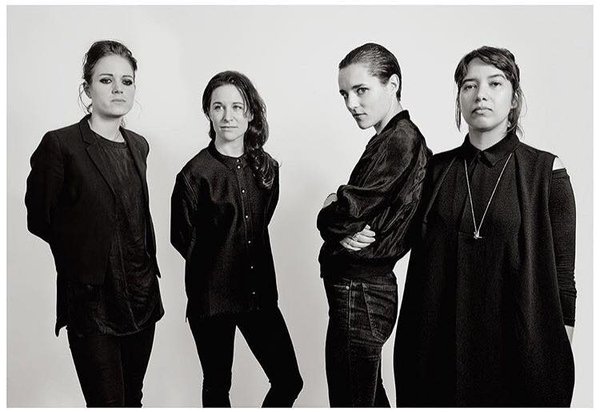
How many bassists are there named Björn?

ERIKSSON: There was a guitar player named Björn Ulvaeus in ABBA, the old Swedish band. He played the bass too. Yeah, we met [him] at the airport a couple of weeks ago. He didn’t say so much, but he might be able to fill in. [Laughs]

I read that ABBA’s been such a huge influence on you you once jokingly claimed to be their illegitimate sons.

ERIKSSON: [Laughs] Oh yeah!
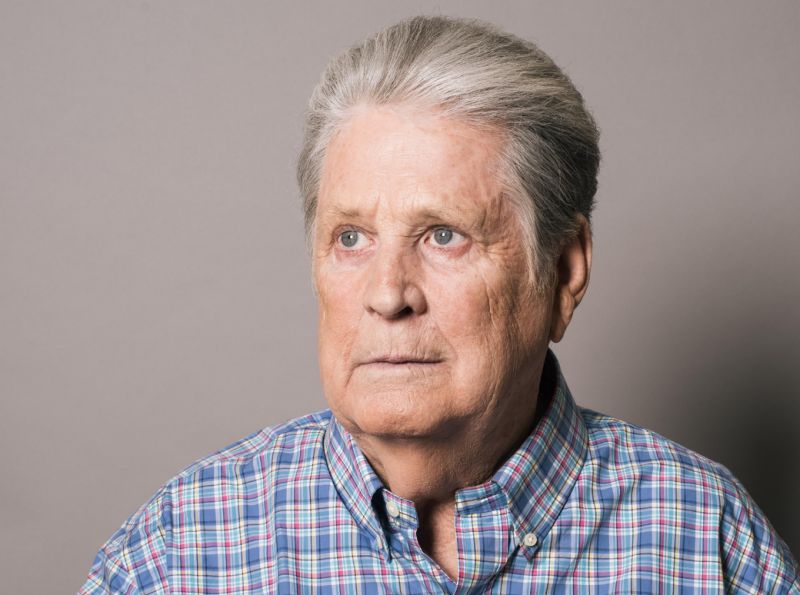
You’ve been around a while now yourselves, is there another band you’ve influenced that could be your illegitimate sons?

MORÉN: [Laughs] Ooh, good question…

ERIKSSON: There was a Swedish guy [Peter] actually did some work with, I thought he was your son, he seemed to like the same stuff you did. He was a Swedish hairdresser, that guy.

MORÉN: [Laughs] What? A Hairdresser?
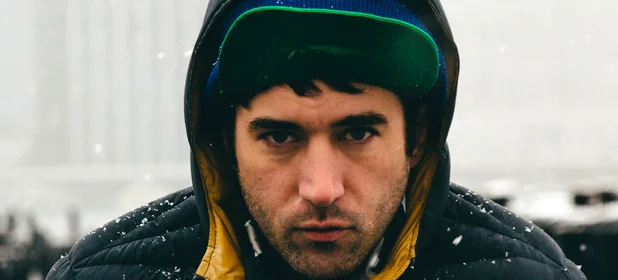
ERIKSSON: Yeah! His name was Mikael… Mike? Mikey? Michael? I don’t know. [Laughs]
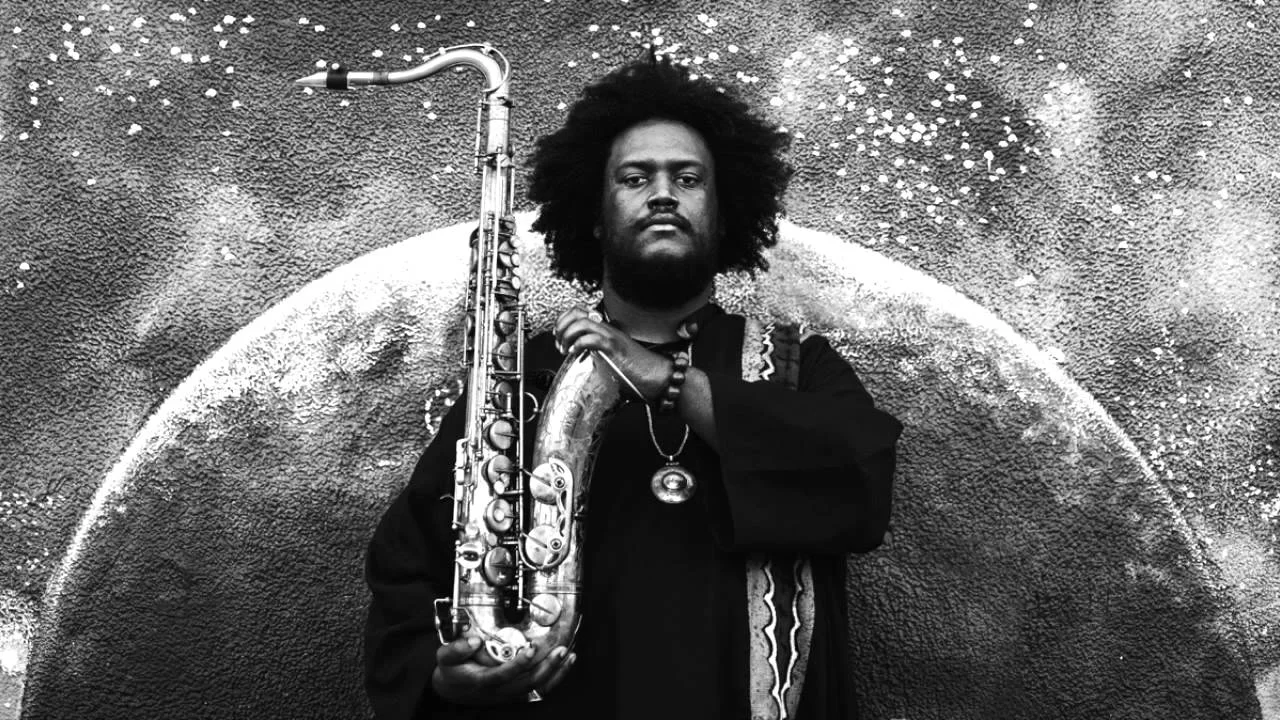
MORÉN: Someone I played with?

ERIKSSON: Yeah!

I know Paul McCartney is another big influence of yours, and it was his birthday yesterday. I know it's kind of an impossible question, but I was curious if you might have a favorite song of his.

MORÉN: Ooh, that’s interesting. It’s funny, because yesterday we were playing Nashville and Ringo Starr was playing [there too] on Paul’s birthday. It’s kind of hard, I’ve almost heard them all. Let me think… I actually did a Spotify playlist with 150 Paul McCartney songs, it’s actually pretty good.

ERIKSSON: [Laughs] For who?

MORÉN: For anyone who wants it! [Laughs] And I didn’t even count the classical records or experimental electronic records, I just did the pop records. But that’s a good playlist actually, I recommend it, I’ll send it to you! [Laughs] There’s a pretty little song I’ll pick today called “I’m Carrying.” It’s on the London Town record. That’s George Harrison’s favorite Paul McCartney song, so I pick that today, and tomorrow it’ll be something else.
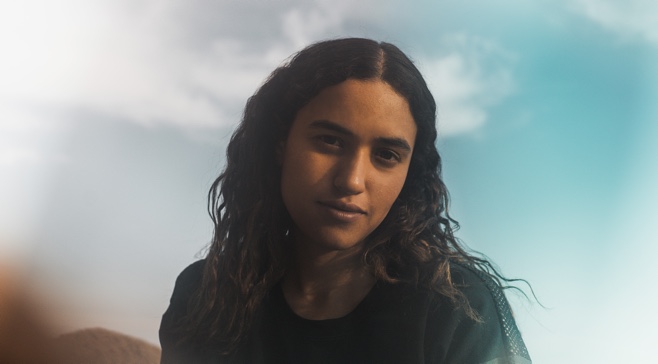
ERIKSSON: You’ll have to update your website.

Pick up the NEW ALBUM Breakin' Point from our store here: http://smarturl.it/BuyBreakinPoint The new album Breakin' Point is OUT NOW! Check it out on Spotify here: http://smarturl.it/BreakinPointSpotify "Our first new rock video is here! Check out the awesome video makers from ANIED and their playful adaptation of the lyrics in "What you talking about?"

You critique the music industry in “Pretty Dumb Pretty Lame,” specifically the entitlement of some artists. Is there anything specific that inspired that subject?

MORÉN: It began with this thing where artists moan about how hard it is being an artist. Like, okay, skip it then! [Laughs] I don’t get [it], like things should be great if people come and see you play, otherwise you should skip it. I don’t see the point in being an artist if you don’t enjoy it, because no one forced you to be come an artist. There's a lot of shit in this industry for sure, it’s kind of quite fucked up, so there's a lot to critique. [Laughs]

You're successful artists who seem to enjoy what you do now, but I know Peter was studying to be a librarian before the band took off. That made me wonder: if you weren’t Peter Bjorn and John, what would you be doing instead?

MORÉN: I had some [jobs] before: I did some teaching, I worked in a bookshop. It would always be jobs because you had to pay rent, it wouldn’t be passion. I enjoy studying film, so I don’t know, it’s hard to say. Maybe I would write something like music reviews, that’s fun.

ERIKSSON: Luckily I had an old music career - I don’t want to call it career because it’s a hobby still, music - but I played classical percussion in a classical ensemble, so if PB&J hadn't happened I would still be doing that, I think. I’m happy I was drawn out of that because I did it for a long time, but now if I could choose I wouldn’t go back to that. I’ve been thinking about that… as Peter said I like movies too, but you know how hard it is to make an album, then to make a movie it’s like 20x the troubles with every detail, so I wouldn’t go into film. So same as Peter; just writing words. That would be fun because then it’s quiet and you can do it anywhere. That must be a very good job to be a writer, I must say, as you are. If Björn was here he would answer he wants to be a tennis pro, I’m sure.

In the past you’ve discussed the juxtaposition of light and dark present in both Swedish culture and the pop genre. Can you elaborate on how that inspires your creative vision?

MORÉN: It’s not something we discuss or decide about, it’s just something that happens quite naturally. It’s been like that on almost all the records, but I realized there are some very positive songs as well here and there. But if you take like a whole catalog and divide it down theres a lot of more depressed lyrics or slightly negative. I like that juxtaposition, but, for me anyway, it’s not planned like I think I should write negative lyrics to positive music.

ERIKSSON: It’s a natural Swedish melancholy always in every laughter. [Laughs]

MORÉN: [Laughs] It’s a long tradition in pop music. It’s quite common actually even in stuff you don’t think about, like even early Beatles songs that are happy are like, “I’m a loser,” “Help!” It’s all shit. Lyrics are really depressing.

ERIKSSON: It’s dark; during winter season where we come from up north it’s like two hours a day you might see the sun. Apart from that it’s just total darkness. So maybe that should affect you in some way, but also it might be a reason why there are so many musicians; you have to be indoors when it’s too cold to be outside [so] you either become a hockey player or a musician. If you live in Brazil you can be outside all day, you can be good at football.

MORÉN: For us at least, and a lot of Swedes, I think, the way we were brought up in really small villages [in] the middle of nowhere there wasn’t a lot to do. There were a lot of people doing sports and [we weren’t] into that, so when I got into music I did a lot of it myself. I learned to play guitar by myself and just listened to records and write songs to keep myself amused. Then of course when you grow up and move to Stockholm there are a lot of things happening, but I think sometimes you try to get back to that vibe of being bored to be able to create music. [Laughs]

ERIKSSON: All our friends, all my classmates were playing hockey except me. I found music, and same for Peter and Björn too. So it’s interesting that we three met [because we] started off not finding any bandmates because we lived in this small city up in the north of Sweden. But then you end up in Stockholm and you form a band that’s now playing in Chicago! It’s pretty weird and amazing. [Laughs] 

Breakin’ Point features a decent amount of whistling, but in the press release you made a point to say it shouldn’t be seen as a big deal. Have you felt pressured or hesitant about including whistling in your songs since “Young Folks”?

MORÉN: Yeah, I guess. I don’t know if it was discussed on any previous records but there was some whistling on the instrumental record called Seaside Rock, but no one noticed. There is whistling on [Writer’s Block track “Amsterdam”], too.

ERIKSSON: And on “Objects Of My Affection” and the B-side “Ancient Curse.” We whistled the whole summer.

MORÉN: And on this record we whistled on “Nostalgic Intellect” as well, but it’s together with the organs so it doesn’t sound as much. I think even on this new one we were kind of hesitating, which is why I said it wasn’t a big thing. It is something you do naturally; I always see people [doing it]. You just whistle stuff, you know? So on that song “Breakin’ Point” we had the piano melody already recorded, but then I was recording my voice and I started whistling, and someone said we should keep that and turn it up. But we were hesitating, actually. [Laughs]

ERIKSSON: Yeah, it’s like you did a magic trick at a party; you can’t do it at the next party or people with think you're cheesy or something. [Laughs] Peter had a supergroup called Tutankamon for a while, and you did a song with whistling and it was kind of not so far from “Young Folks.” You played it in a jeans store and did that whistling and I thought, for me, it didn’t fit. Like, Peter shouldn’t whistle, that felt bad.

You can't whistle with other bands!

ERIKSSON: Yeah, I felt betrayed actually! [Laughs]


Read our review of Breakin' Point here.