TRANSVERSO

- A culture magazine reaching terminal verbosity -

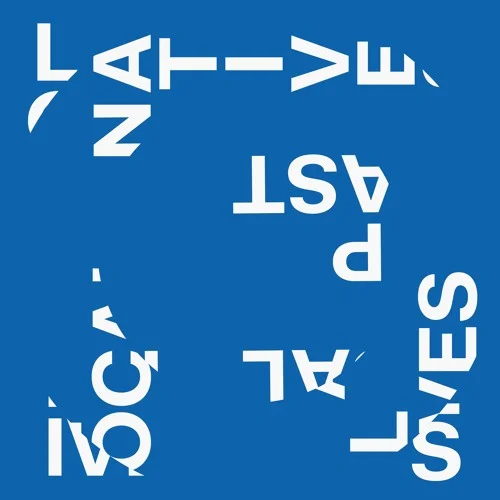
Local Natives Return to the Present With New Single "Past Lives"

New MusicWeston PaganoComment

"Save me from the prime of my life," Local Natives plead at the start of their first track in three years, gliding into their signature vocal harmonies before mounting percussion crescendos in some tight glimpses of guitar.

The LA favorites' new single "Past Lives" is officially released today, though it's been performed live in the past and even appeared in Will Arnett's Flaked. In a press release vocalist and bassist Taylor Rice says of the song,

The world is not static, it’s made new over and over again. But we tend to live the same patterns in a loop, loving the same way, wrestling the same demons, the same dynamics playing out around us again and again. Untangling every moment and decision that led us to where we are now can make fate feel concrete, inescapable. But our world is not fixed, it’s constantly reemerging, and we can change it into whatever we want.

It's the newest and most convincing of a recent string of hints pointing towards a new LP on the way following a revamped website and a few scheduled summer shows including Lollapalooza; we'll probably be seeing a lot more of "Past Lives" in the future.

Past Lives http://localnatives.com

Watch Cage the Elephant Get Into "Trouble" in New Music Video

New MusicWeston PaganoComment
Screen Shot 2016-04-28 at 12.36.54 AM.png

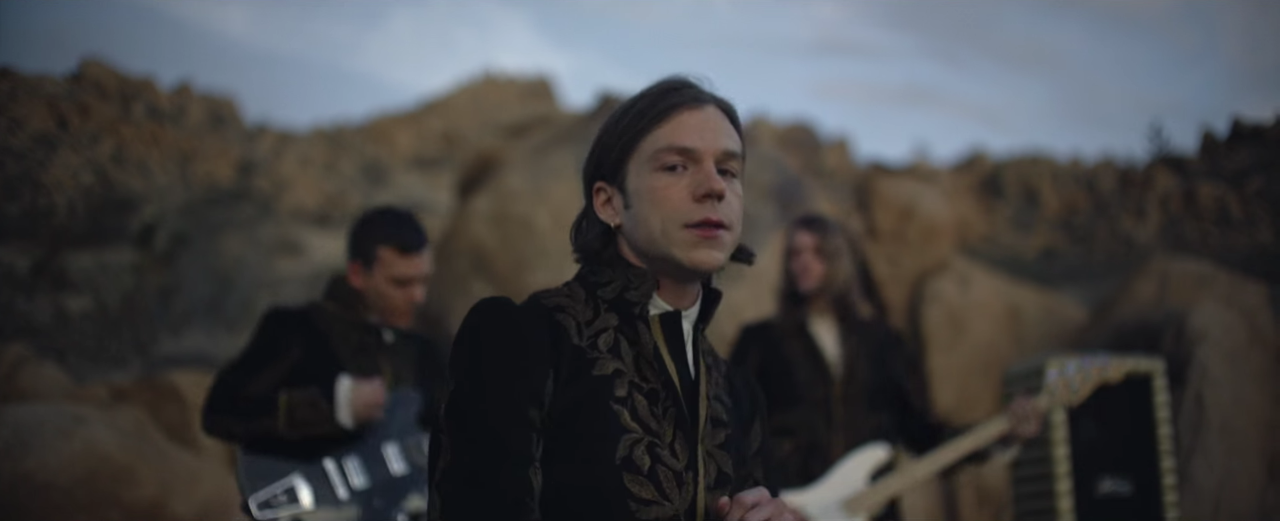
Cage the Elephant's Tell Me I'm Pretty single "Trouble" now has a flashy new video, complete with a wild west duel, a lot of baroque royalty fanning themselves, and some of the best costumes the Kentuckians have been seen in yet. It's a little difficult to grasp just exactly what is happening through all the dramatic jump cuts, but it looks good. Frontman Matt Schultz earned his directorial debut in the process, describing it as something like “John Wayne... in a [Jean] Cocteau play.”

It's also not the first time they've performed in this sort of setting; this video brings back memories of the band ambling through the desert to the tune of "Ain't No Rest For The Wicked" during their humble beginnings, though it's clear they've evolved quite a bit in the interim (just look at the change in production value!). It's appropriate, then, that the deceptively sunny sounding "Trouble" gives a lyrical nod to the track, alluding, "You know what they say, yeah / The wicked get no rest." Whoever it is who shot the bearded guy does look rather rattled.

The video comes at the dawn of an extensive summer tour, which you can find below the embed.

Get "Trouble" from the New Album 'Tell Me I'm Pretty' Now!

Read our review of Tell Me I'm Pretty here.

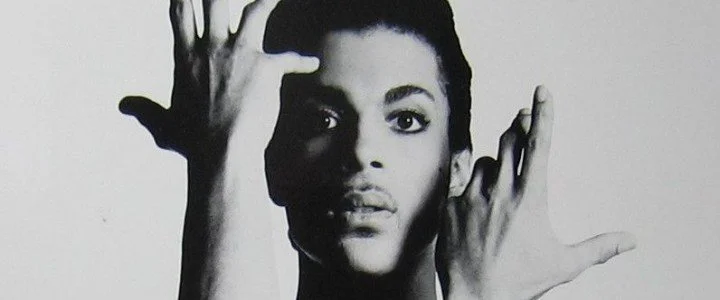
Purple Reign: Remembering Prince's Final Performance

EditorialQuentin CompsonComment

What if you knew you were walking into the concert hall to hear a performer play his last notes to an audience?  Would you get to the show early?  Would you stay until the absolute last plastic cups and final kernels of popcorn had been retrieved by the clean-up crew?  That song that didn’t get played that you wanted to hear, would you sing it with your concert crew, as you filed out of the theater?

How would you feel if, later that night, the artist had to detour on the way home as a result of a health emergency?  Would you feel relieved when, the next day, he tweets “I am #transformed”?

What would you say when, less than a week after that show, you began to hear reports?  Sketchily-detailed reports?  Then confirmations?  What do you say?

What do you remember?  A favorite song?  Is a song too much to think about at this moment?  How about a poignant lyric? What remains?  The notes, the lyrics, the music?  Why do you feel the way you feel about the passing of someone you actually never met?

Dearly beloved
We are gathered here today
To get through this thing called life

Was it the arrangements of notes and words that made you feel that you were better able to get through this thing?  Maybe it was the uniqueness of the presentation? His flair?  His ground-breaking, influence-making, apology-forsaking, double-taking style? 

Why does it even matter?  Is it because of the feelings that came from the music?  Not just what it did to you, but what it did to other people, maybe even different than you? Did you like the music, or what it did for you, or to you, or for other people? Does it remind you of good times?

Life is just a party
But parties weren’t meant to last

Was it not even about you, but did you see and hear something that is just exceptional, that you may never see and hear again? Was this so special that nothing really compares 2 it?

What if you knew?

What if when, you first sat in your seat that night, that you knew?  What if when you clapped and clamored for an encore, you knew?  What if you knew that it really was One. More. Song.

I only want 2 see you laughing…

But, what if you had no idea? 

A world of never-ending happiness
You can always see the sun
Day or night

In memory of Prince Rogers Nelson, 1958-2016:  Innovator, Musician, Creator.

Sturgill Simpson Trades Psychedelics for the Sea on 'A Sailor's Guide to Earth'

Music ReviewSean McHughComment

In the midst of a cultural renaissance, country music is in as good a spot as any genre (if not more so). At this point, we’ve all been beaten over the head of how incomparable Chris Stapleton is (which realistically is still an disservice to the man), how cool it is that Margo Price was christened Jack White’s prodigal country daughter, and how “bro-country” has finally succumbed to its own interminable existence.

That’s all well and good, but for country music’s resurgence to extend its tenure and avoid falling out of the zeitgeist, the genre needs an indomitable force of innovation, conceptualism, and metamorphosis. Enter Sturgill Simpson - whose 2014 sophomore effort Metamodern Sounds in Country Music was effectively a Waylon Jennings record on six tabs of acid – the country artist most poised to venture out into the furthest weird reaches of country music’s sonic dimensions.

Simpson’s first record, High Top Mountain, was his foray into the crowded country scene, an effort that was arguably released before its time. Metamodern Sounds’ release saw Simpson (with the help of Dave Cobb, country music’s present day King Midas) shove a bag full of mushrooms down the throat of country music, creating a psychedelic haze of country wax poetics and a sound wave of intergalactic exploration. The record was a bonafide success, as Simpson saw himself assume the mantle of country music’s resident “outlaw,” spitting in the face of conformity all the while showing the utmost reverence toward those that preceded him in the genre.   

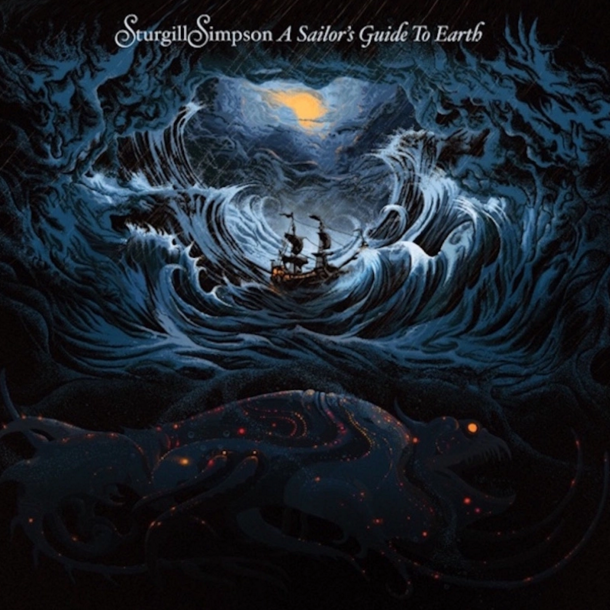
As Simpson’s near two year long tour run in support of Metamodern Sounds came to a close, he and his wife experienced the birth of their first child, and Simpson gained perspective on his newfound life as country music renegade and newly minted father. Viewing life through a different lens – one that featured the dependency of a now full-fledged family – Simpson’s third record maintained Simpson’s continual sonic exploration, this time taking to the sea in A Sailor’s Guide to Earth.

In short, the record is one of the (at least to my knowledge) few concept albums in country music – if not the best – as A Sailor’s Guide to Earth sees Simpson navigate his new life as a father and touring musician in the form of a Motown/R&B/country amalgamation of the finest ilk. Furthermore, the majority of the album is dedicated solely to Simpson’s wife and son, as the former Navy man navigates his life on the road and at home, creating an impassioned narrative of love and trepidation atop the bounding mains of existence.

"In Bloom" off Sturgill's new album - A Sailor's Guide To Earth // Available Now Download Now - http://smarturl.it/DownloadSturgill Stream Now - http://smarturl.it/StreamSturgill Limited Edition "A Sailor's Guide To Earth" Bundles Available here: http://atlr.ec/ASGTED2CYT "In Bloom" Official Music Video Directed By: Matt Mahurin Follow Sturgill Simpson https://www.facebook.com/sturgillsimp... http://www.twitter.com/SturgillSimpson https://www.instagram.com/sturgillsim... https://soundcloud.com/high-top-mountain

A Sailor’s Guide to Earth wastes no time establishing itself as a distinctly different Sturgill Simpson record in both theme and scope, as “Welcome to Earth (Pollywog)” sees Simpson come down from the interdimensional travels of Metamodern Sounds and settle (not by much) down as a loving ode to his newborn son – “Hello my son / Welcome to Earth." The track features emotional conviction that pulls at the heart strings of the listener almost instantly – “I’ve been told you measure a man by how much he loves” – as he speaks directly to his son – “You may not be my last / But you’ll always be my first” – utilizing the sea-faring metaphors as the analogue to his life on the road in support of his music. The song rips into a Motown groove that was unbeknownst to Simpson’s music prior to A Sailor’s Guide to Earth. “Breakers Roar” reneges the initial tonal promises from Metamodern Sounds, as Simspon sticks to soft acoustic picking over orchestral strings and slide guitar imitating the cries of a far off whale, all before cajoling the listener into a roundabout boogie jumping right into “Keep It Between the Lines;” Simpson’s do-as-I-say-not-as-I-do life instructional. The track incorporates heavy brass horns and chorus backing vocals that seem alien to Simpson’s music on paper, but on the actual record, good gracious its incredible. If anything, A Sailor’s Guide to Earth is beginning to feel like Simpson’s genre bending answer to his disco-country predecessor Conway Twitty’s varietal discography.

At the beginning of the album’s middle third, “Sea Stories” see Simpson return to the sweet psychedelic country rock as he revisits his time spent stationed in Japan as a Unite States naval man. Ever the humble man, Simpson pretty much recounts his entire life to date in the span of a three minute and seventeen second country song that features lyrics like ‘From Kawasaki to Ebisu/Yokosuka, Yokohama, Shinjuku…’ the track is easily one of the most amusing features on the record.

Following “Sea Stories” comes one of Sturgill Simpson’s finest moments – his magnificent cover of Nirvana’s “In Bloom.” Simpson is a deceptively – or in current terms, “low key” – profound cover artist, as Metamodern Sounds saw him cover When in Rome’s 80s hit, “The Promise,” one of the finest covers of the decade, if not the new Millennium. Anyway, “In Bloom” sees Simpson rework the brooding Cobain piece into a convergence of smooth soul and cooing country, before the track explodes into a crescendo of wailing horns and pedal steel. As Simpson returns to his original tracks – though the “In Bloom” cover is about as original as a cover can get – the album’s single “Brace for Impact (Live a Little)” rounds out the heavy hitting middle portion of A Sailor’s Guide To Earth.

The closing third of A Sailor’s Guide to Earth sees Simpson turn to his more sensitive side, with tracks like “All Around You,” acting as Simpson’s bellowing soul ballad while saxophones and brass instruments run wild in the songs latter half, rounding out Simpson’s exceptional sonic exploration of soul and country music. “Oh Sarah,” the album’s penultimate track, as well as the record’s sweetest. While most of the album had been directed to Simpson’s son, “Oh Sarah” is a loving promise to Sturgill’s wife – as an assurance that the continued life on the road is bound to place a modicum of strain upon their family’s life, but it will never create anything detrimental. After creating a warm and loving lull in the album’s final third, “Call to Arms” sees Simpson step onto dry land with a country-soul jam that celebrates the fullest combination of Motown/gospel/country/soul in a jam that would make Charlie Daniels blush.

With A Sailor’s Guide to Earth completed and circulating throughout the airwaves and streams of online musical content, it rests in choppier waters than most of Simpson’s other “classically” country compatriots. Still lauded as a country artist (and justifiably so), Simpson has truly separated himself from the country renaissance that he helped usher into the musical zeitgeist. Instead, Simpson has elevated himself from pioneer to innovator, within multiple genres that opens up the musical floodgates for his next project. Its an interesting notion that an artist of Sturgill Simpson’s ilk may have put out the year’s finest country album (not to mention one of the best in general) on a record that has more unbridled satin soul than country twang. 

Sylvan Esso's Nick Sanborn on Solo Project Made of Oak, "The Triangle," and Leaving Breadcrumbs

Music InterviewSean McHughComment

It wouldn't be off base to say that Nick Sanborn is best known as one half of the euphonious brain trust that is Sylvan Esso, but being Sylvan Esso's chief instrumentalist to Amelia Meath's head lyricist is not indicative of Sanborn's entire body of work. He's been an active constituent of the vaunted North Carolina "Triangle" for going on half a decade now, having aligned with acts like Megafaun as well as continuing to expand his long standing solo project, Made of Oak.

Wholly thoughtful and incredibly amiable, Sanborn spoke with Transverso about Made of Oak's 2015 debut EP, Penumbra, the various perspectives an act like Made of Oak allows him to explore, and the wellspring of musical collaboration found in Durham and the surrounding North Carolina area. 

From debut EP 'Penumbra' out now Purchase on iTunes: http://smarturl.it/PenumbraiT Made of Oak Webstore: http://www.madeofoak.com/store.php LP/CD: http://smarturl.it/PenumbraLPCD + Directed, shot, and edited by Adam Heathcott and Sara Padgett Heathcott, Endless Endless. http://endlessendless.com + Sculpture by Kristof Wickman + Special thanks to Kristof Wickman, Joe Zoller, Stella Wingfield Cook, and Donna Orr.


TRANSVERSO: You just played in Bloomington, how was that?

SANBORN: Surprisingly great, considering I’ve never been there before with this project, and it was a Wednesday, and it was raining. [Laughs] It was great. It was kind of serendipitous coincidence that happened that my friend, Nate Brener’s band, Naytronix, happened to be in town on tour. We were crossing paths like ships in the night, and he ended up being able to open the show, so it turned what could have been a cold, weird night into a deep, old friends hang. We all went back to his mom’s house afterwards [Laughs], it was great. It was really, really cool.

So what are your thoughts going into the Spring/Summer tour? It sounds like Bloomington was a pretty solid start.

Oh yeah, it's great. With this project, the stakes are so low, and the people who tend to come to the shows have an extremely open mind about what they’re expecting or not expecting – so what the most exciting part to me is about these shows is that they feel very free and open, and can kind of go anywhere. That’s been the main theme for me, and also I’m just back to playing the venues I’m used to. Sylvan [Esso]’s been doing great, and I’m really grateful for that – that’s obviously been a huge change in my life. You know, I’ve toured clubs like the Bishop [in Bloomington, IN] last night for twelve years before any of that happened. This is like, I’m back in the shitty greenroom, where I belong.

Is that a familiar nostalgia?

Well it's more that it feels like my wheelhouse. These are kind of the clubs that I’ve always played in, and you know the last two years have been awesome, playing for way more people, but that’s the aberration – that’s the outlier. Shows like last night are more of the norm for me. So it's kind of good to be back to that.

Being in a more familiar territory, do you feel as if you approach your Made of Oak shows differently from your other projects? Does it make it feel any more organic?

No, not really. I think that just the energy of a smaller club is way different from a bigger club. They’re two totally different types of show. I think if I was playing the exact same set that I played last night that was like, ten times larger, it would feel way different, and I would react different, and I would play different stuff. You kind of just go with the energy that the crowd has, and I think in a smaller room there’s a really wonderful, intimate, energetic thing that happens when you can look up, and I can make eye contact with every single person that came to the show. It's just a different thing. You feel like you’re a part of the crowd. I guess that’s the biggest difference, I feel like when I’m in a small club, there’s no big difference between the performer and the audience, whereas the moment it gets bigger there’s this moment, when it reaches this critical mass where when the audience hits it, they feel like one giant person, you know? [Laughs] You’re kind of trying to make an individual connection, but its just kind of this mass of people, and it's either going well or its going terribly, and that’s kind of your litmus. That’s the biggest difference. I’m not sure if that makes a change in how I’d approach putting the set together, but I think energetically is where you really feel it.

I would imagine with your EP, Penumbra, already being more sonically dense, a smaller space might be a little easier to embody the record’s spirit.

Yeah. [Pauses] I think that… well, you know what? I think its tough to say. I think this material feels a lot more niche to me, definitely. So in that way its makes the most sense in a small room. But yeah, you might be right, there’s kind of a lot going on, so the minute it does get bigger you might lose something. I’m not sure though. Its tough to say, having never done it.

So what have the months following Penumbra’s release looked like for you? Were you pleased with its reception? Do you even bother with stuff like that?

Yeah? Um. Yeah, “question mark.” I guess. [Laughs] I try to not read anyone who writes anything about it, or who writes about any music made by me. Because, there’s no good that can come of that, you either get your ego stroked and then you become addicted to having your ego stroked, or somebody doesn’t get it and tells you you’re terrible, then the part inside you that tells you, “You’re terrible,” all the time is like, “See! You’re terrible!” So there’s no good that could possibly come of that.

What about with your live shows?

The shows have been great! We did a tour kind of right after it came out, and we went on tour with this band Tushka. And with Tushka, the coolest part of the tour was my buddies – Phil and Will – only put out one song out and they just put out one video, and I had just released an eighteen minute EP. So nobody coming to the show where you usually do forty-five minutes, they all know that they can’t expect… They’re going to hear a ton of stuff that they’ve never heard. Like everyone knows that going in. So that just made this great environment where the shows, both sets every night, felt like they could go anywhere. That has been a really cool part of the reception, I think. The people that are into it seem like they want to come and listen, and figure out what’s happening, and hear something they haven’t heard before. So no one’s waiting to hear “some hit,” its like what track is even playing is beside the point. So I think that’s my favorite thing, that that crowd exists.

There are some particularly unique song titles for Penumbra, or at least from an outsider’s perspective – I’m sure for you they make total sense.

Well that’s kind of the nice of being an instrumental artist, I’m not using lyrics, but I still feel like I wrote something that’s from a very specific time in my life. So you kind of leave these breadcrumbs that make sense to you. I just love it when you can imbue that kind of material with intent. Like when you look at something and think, “Oh, this is an intentional choice. This person chose these things. Why did they do that?” I love that moment, where as an audience member, you have to ask yourself why something happens, because whether you come to what the artist thought, it gives you this kind of structure to hang your own story on. Does that make sense?

Absolutely. I know that "penumbra" means "the outer region of a shadow being cast..."

Dude! You are the first person who interviewed me that’s looked up what it meant. That is awesome!

Well it sounds like you’re trying to have some fun with the language of the titles because there are no lyrics. So it almost seems like you’re presenting an over-arching theme without having to spoon-feed it to listeners.

Yeah, well that’s another thing, I think there’s this kind of teeter-totter of “overtness.” I was reading this negative review of a season of Mad Men – I’m so sorry, I’m going to tangent you out here.

No need to apologize, it’s a great show.

[Laughs] Perfect. So I think it was about season five, and the reviewer’s problem was that the metaphors were too “on the nose.” That was the season where one episode there was a toothache, and [the reviewer felt] like it was too surface, and that it didn’t take much thinking to figure out what they were trying to do. Where as before in the show, you had to really think about what questions it was making you ask, and you had to suss out the meaning of each shot, even. And then [the reviewer] compared that problem with when you hear a joke, which is, the thing that makes a joke funny to us is that our brain has to kind of “jump the gap.” Its when you make the connection, which is why when you explain a joke to somebody, it isn’t funny, because of the fact their brain didn’t do that. So learning-wise, we only ever learn the lessons when we actually have to make the leap ourselves. Like that’s the only reason that actually happens. Its like when you’re a kid and you do dumb shit over and over and over again, and your parents tell you you shouldn’t be doing this, but you have to screw it up to actually grow up and learn the lesson, you know what I mean? [Laughs] So I think about that a lot with music; you could really spell it out for somebody, but then it's not interesting. Its like you rob the listener of the opportunity to make their own connections and learn their own lessons, and relate it to something. You’re taking that really important part of interacting with a piece of art away from them. So I think about that a lot – how can you present them with enough proof of content, and enough of those “breadcrumbs.” Its kind of like this promise you make to the listener, like “I put something here. You aren’t wasting your time. Its here. You might find it, or you might find something else. You can trust me.” I think about that a lot – that line of making it too opaque or too clear, which is kind of an interesting tightrope you can walk there.

That’s fantastic. So you’re basically utilizing your experience to allow the listener to heighten their own.

 Right. Well I’m not much of a lyricist, and I don’t really love singing on records. [Laughs] So I have one opportunity to do the thing a lyricist would do, kind of. I have that tiny bit of real estate to kind of give [the listener] a hint of context.

Speaking of lyrics on a Made of Oak track – what can you tell me about your collaboration with Well$ and Professor Toon on the “Side Rides” remix?

That all just came about from doing that [“Side Rides”] video. I had that concept for that video, and kind of talked through my idea of what I wanted it to feel like, and they were both way into it. I just thought when we shot it, that they were going to come and freestyle, because for the music video, we wouldn’t actually hear it. But both of them showed up to the shoot with written verses, like they wanted to be doing the same thing in every spot, and they were just super pro about it. So then over the course of that two-day shoot, me and all of the other people there just kind of got obsessed with the idea of eventually releasing a totally different version of the song that would showcase them instead of showcasing the track. It just took us forever to actually do it. It was interesting, I think when the video came out, there was this misunderstanding that I had made a decision to mute the vocals or something, which was a real bummer to me. It just missed the point really heavily, and I just thought “Oh, bummer.” But when it came out, everyone was like “Oh cool, where’s the vocals?” Which was ironically the initial, kind of snotty joke of an idea that I had - a reference of how people think of instrumental music. It kind of weirdly up like the snake ate its tail [Laughs], because the irony was everyone was writing about – at least everyone who took that angle on it – “how interesting” or “how stupid, he muted the vocals,” but the thing was, we didn’t even have the vocals recorded. That wasn’t even a thought, until after we actually made the video. [Laughs] So yeah, it took like months for us to get it done, because its three really busy dudes’ schedules; we’re all playing all the time. But yeah, it was great when it finally came together.

Do you like being able to collaborate with other artists from “The Triangle” in North Carolina, and kind of help maintain a healthy music scene out of the area?

Oh absolutely! That’s like one of the first things that drew me to the area in the first place. That’s actually like the main thing that drew me to [Durham, NC], because I moved there four years ago to play with this band, Megafaun. So it was like a no-brainer to move there, because the music scene is so diverse and rich, you can do almost anything and people will show up and pay to see it. So the level and the volume of talent there is, its like this weird secret; [Laughs] it's crazy. But yeah, the hip-hop scene is nuts there right now, like Well$ and Professor Toon are obviously two of my favorites, but there’s like so many young dudes coming up that are really cool. This dude Ace Henderson just put out an amazing mixtape, they’re all over the place. And then there’s this other cool thing that’s started popping up is bedroom producers have started to emerge. I think that making electronic music has kind of made other people be like, “Oh, I’m not the only one that does this here. I can show up at stuff,” so that scene has gotten really cool. It's all the same group of 200 people, so if there’s constant intermingling, then everybody is really excited to work with everybody else, but it makes for a lot of weird output.

It's a cool, otherworldly collaboration, it sounds like.

Yeah, that’s the thing, I think especially in hip-hop, how that scene works is either by total chance or “Hey, why don’t you send this guy a packet of like twenty beats;” one is happenstance and the other is kind of depressing. [Laughs] That’s the cool thing about The Triangle, you’re around everyone all the time where legitimate collaborations happen, and you can work together and you can take the time to make something cool, which sounds like a low bar, but it actually doesn’t happen. So its only in places like that - well there are crews and scenes that are really good about that - but its cool to see it in action. To take something further than just sending a guy your beat. Its nice to really make something together, it's really cool.

So do you think that microcosm within The Triangle, and more specifically, Durham could be viewed as the “catalyst” for some of the area’s civic growth? Do you think it has a direct impact on the proverbial, “revitalization” of Durham?  

Air quotes revitalization is the perfect way to put that. [Laughs] It's tough right now, there’s a lot of tension right now, and I think the correlation between the creative scene of people and developers is that developers tend to capitalize on places that are very rich in creative people. It's kind of been the thing since the dawn of real estate development [Laughs] more or less. So that’s the only real correlation I see there – any time a place has cool shit going on, people tend to build condos there. But, I think culturally, the interesting thing is that there’s just a lot more people in the area, and that means inherently, there’s a lot more creative people, or people who want to make music, or go to shows. So that has been really great and welcomed, and it’s a crazy scene of a lot of very different kinds of people there, and that makes for some really awesome chance happenings. But yeah, I’m not sure I’d credit it or correlate them more than that. I think we could have a whole other conversation about the successes and failures of the Durham City Council [Laughs], whether that went right and where its going wrong. And again, its tough for me to even talk about, I mean I’m a white guy in my thirties whose only lived there for four years. I’m not sure its really my thing to talk about.

I was just curious. I had noticed some similarities in the developmental struggles amongst fast growing secondary markets like Durham or Nashville in that regard.

Oh absolutely. I mean, it's not just a “your city versus out city” thing. It’s a ton of places right now, and its all at so many different level. In Durham right now, they’re trying to make it a startup town, like enticing startups to move here and stuff. So I think the biggest conversation I see, at least in regard to other cities that have been startup targeted as startup hubs is “Well how do we not make it turn into San Francisco?” It's everywhere, man.

What has Made of Oak allowed you to do that past and other projects – The Rosebuds, Megafaun, Sylvan Esso – haven’t been able to? Or is it all focused on getting out and playing for people?

Well it's definitely that. Everything has the same end result, its “Let’s all do something or make something, let’s communicate something.” It's like “There’s so many of us and we’re all going to die, so let’s just try to connect for a second.” I think bands are all different because bands are all different groups of people, its just like a conversation over dinner – every conversation between two, to four, to ten people will have this different dynamic, so a different thing will come out of it. I think if you’re being honest as a band – like if you didn’t get together before you made music and said “Let’s make this kind of music,” which I think is a silly thing to do – if you’re doing that, every band feel totally different, and feel different when you play it, and feel different when you write it, and feel different to an audience member. So in that way, the nice part about the Made of Oak stuff, I don’t feel like there’s any potential for it to get fenced in to sounding any one way; its just however I’m feeling at that time in my life. So in that way, the biggest difference is both the burden and the freedom of not having to compromise or split the direction or inspiration with anybody else. But outside of that, that is both freeing and limiting. I think when I first started doing the shows, the band I had been in, Headlights, had broken up, and I was kind of in this zone of “I need to take control of my creative life,” I can’t be dependent upon someone else to write songs, to book a tour, and somebody else to do something. I just have to stop being a fucking baby and just do it. So really, that’s kind of the other big difference, unlike my other projects, this is the only one born out of a desire to grow up.

I was up at Eaux Claires this past summer, and I know you’re from Wisconsin, so I was just curious about how that experience was for you to play a festival like Eaux Claires, because it felt different from most other festivals in my mind.

Didn’t it though? It’s a little weird getting asked just about Eaux Claires, because I don’t want to come across as hyperbolic, but no joke, we talk about this all the time – that is the only festival I would recommend that a music fan go to. I’d recommend other musicians go to it. Every other festival I go to, and I have a great time working them, but at some point that weekend I thought “I can’t imagine how anyone would pay go to this,” [Laughs] which sounds terrible, but Eaux Claires is the one that genuinely feels like it’s a celebration of music. It feels like that’s actually what it is, in every way, playing it felt that way, being backstage felt that way, walking out in the crowd to watch the shows felt that way, everyone in the audience felt like that was their purpose. No one was trying to wear some crazy thing to get their photo on a fucking blog or something; it’s the opposite of all that other shit. I think out of that comes genuine no bullshit, no pretense moments, and collaboration, because that’s the only environment where that can happen and not feel forced. I did an improv set with Chris Rosneau there last time, just off the cuff. Like two days earlier, we were like, “Oh, we should do this, so let’s see if we can do it.” And now we’re coming back this year to do that as an actual thing. That would never happen at any other festival. Imagine going to the organizer of Coachella two days beforehand and being like “Hey, can me and another guy in another band do a noise set on this day at this time?” and them being okay with it. That just doesn’t happen.  And then [at Eaux Claires] they’re like, “Hey, that was great. You should come back and do that next year.” I’m excited about this year. I really hope it continues, because if it can stay – I hate to use the word “pure” – but if it can stay “pure,” and focused on its precision and not lose the plot, then it stands to become this incredibly important thing. 

Watch Grizzly Bear Reunite to Play a Bernie Sanders Rally in Brooklyn

Music NewsWeston PaganoComment

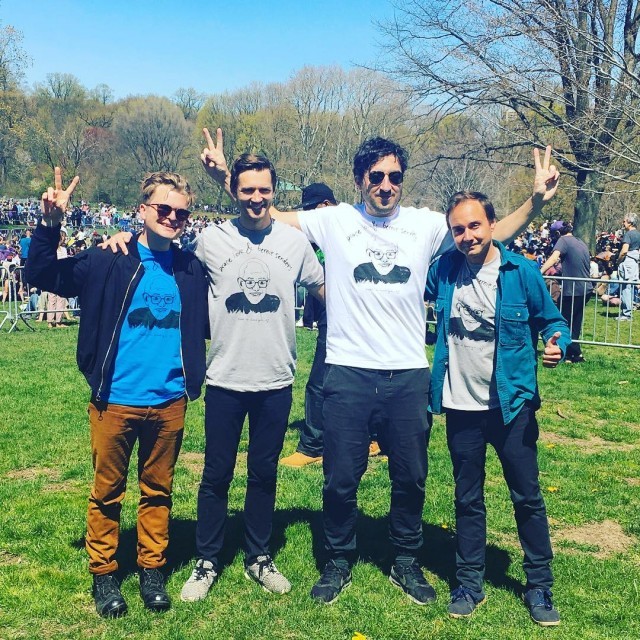
After bringing Vampire Weekend out of hiding for various events across the country, Bernie Sanders has now awoken fellow indie darlings Grizzly Bear from their hibernation (are we tired of that joke yet?) for a rally in Prospect Park in Brooklyn today. For their first show in over two years the locals performed staple tracks "Two Weeks," "While You Wait For The Others," and "Knife," even going so far as to change the latter's lyric "Can't you feel the knife?" to "Can't you feel the Bern?", the senator's ubiquitous slogan.

Grizzly Bear Feel the Bern

A video posted by @matthewstrauss39 on

See this Instagram video by @matthewstrauss39 * 6 likes

My favorite three-part harmony by Grizzly Bear and I am happy. #grizzlybear #feelthebern

A video posted by Sarina M (@sarina1275) on

See this Instagram video by @sarina1275 * 16 likes

Sanders, who plays David Bowie's "Starman" after most speeches, has found no shortage of endorsements from music's best, with Killer Mike and Big Boi coming out in support, as well Alex Ebert of Edward Sharpe and the Magnetic Zeros, who explained his feelings on the Vermonter's run to Transverso in our recent interview.

Grizzly Bear have discussed their support for the social democrat across several social media posts, in addition to announcing a new album is in the works - one that will hopefully be released under a Sanders presidency.

You know you got a good boyfriend when they make you this. ❤️ u @simonviii #FeelTheBern

A photo posted by Ed Droste (@edroste) on

See this Instagram photo by @edroste * 13.4k likes

Edward Sharpe and the Magnetic Zeros Eulogize Their Eponymous Leader on 'PersonA'

Music ReviewSean McHughComment

It seems PersonA is the end of the ephemeral Edward Sharpe as we’ve known him; just the cover alone implies that the all-father of New Millennium folk-pop, Alex Ebert, has chosen to end his warbling messianic stage sobriquet in martyrdom. During a conversation with Transverso preceding the album’s release, Ebert explained, "There was no character to begin with, so why not kill him? He never really was there. If anything, and at most, Edward Sharpe was a vehicle for me to get to slough off whatever I had become up until that point, and to get back to or sort of allow my pure self to come forth into sort of a clean slate." This reinvention is paralleled with a disillusionment with the impact particular whistle stomp clap laden tracks from his catalogue have made on the current music landscape; "As an artist that cares about moving things forward, it makes me not want to do that music anymore," he told us.

PersonA, ostensibly a sort of portmanteau of "persona" and "Person A," aligns almost narratively with Ebert’s desire to jettison himself from the moniker altogether, as the album acts as a revelatory eulogy for Edward Sharpe, with his vocals - and thus persona - clearer and more focused than usual along the way without the back-and-forth dynamism brought by former bandmate Jade Castrinos for the first time.

Within all of his musical endeavors, Ebert has remained inherently spiritual, with melodies ranging from gospel chorus odes to fear-of-god folk confessionals. PersonA leadoff “Hot Coals” intertwines both musical provinces, dancing from brooding folk ballad to bouncing gospel pop doo-wop as Ebert’s harsh “Get the fuck out my sight” ushers in distressed feelings of incendiary love turning into nothing more than memorable embers. One could argue that the “hot coals" could act as metaphorical introduction to Edward Sharpe’s musical exeunt, but whether or not that is the case remains unseen.

“Uncomfortable” elicits feelings of forced unease in order for Ebert to progress – “Uncomfortable / You got be uncomfortable” repeating throughout the track before shrieks and a piano crash bring it to a jarring close. Only the second song on PersonA, it’s seemingly the gospel confessional Ebert needs to atone for the constant that Edward Sharpe has inevitably become. “Somewhere” returns to Edward Sharpe & the Magnetic Zeros’ natural proclivities, as the “Here Comes the Sun”-esque folk picking tenderly prods lyrics of “She’s got a belly full of baby” and “Now we’ve come together and we’re wandering home.” For the usual cacophonous nature of The Magnetic Zeros, “Somewhere” is a softhearted, sort-of throwback to early Edward Sharpe love letters, but eschews the delightfully campy Jade days past with seemingly more honest anecdotes of current real-life relationship and child.

From the album PersonA - Available 4.15.16 LP & CD - smarturl.it/PersonAMerch iTunes - smarturl.it/PersonAiTunes Amazon: smarturl.it/personaPreOrder Spotify: smarturl.it/NoLoveSpotify Tidal: smarturl.it/NoLoveTidal Director - Olivia Wilde Production Company - Anonymous Content Executive Producers - Eric Stern, Nina Soriano Producer - Saul Germaine Producer - Barbara Burchfield Co-Executive Producer - Bryan Ling Directory of Photography / Camera Operator - Reed Morano, A.S.C.

It seems fitting that “No Love Like Yours” would be the heavy hitting cleanup track on PersonA, primarily because of the song’s well intentioned demands of “Show me love” throughout. Combined with its video, the track extends the proclamation to all who may have listened to Edward Sharpe as a sort of humble request to be happy with what Edward Sharpe became, and know that his purpose as been fully realized and fulfilled - as he willingly enters his own coffin. “Wake Up the Sun” almost feels like a Fela Kuti track mixed with big band jazz/rumba from Dave Brubeck, while the classic Ebert vocal warbling is in full force on the track, as it echoes familiar sentiments and features of Edward Sharpe songs passed. It's here he also further severs himself from the spirituality firmly wrought to his character: "I'm tired of Buddha / So bored of Abraham / I'm tired of Krishna / Feels good to say I am" he admits, soberingly stripping away yet another fabled layer.

“Free Stuff” is one of the sweetest sounding diss/beef/callout tracks in recent memory, as Ebert spends the majority of the song mocking the folk pop styling that his songs “Home” and “40 Day Dream” brought to the mainstream way back when, with Of Monsters and Men and The Lumineers even being mentioned by name during the track's live debut. Ebert has spoken out against the continual imitation that was flattering initially, but eventually wore upon his creative process, telling Transverso, "To my mind, it’s more palatable than eras of sort of alternative pop that I’ve lived through. But if something’s already happening and I’m just gonna reiterate that all I’m doing is participating in a commercial venture." For those introduced to the bearded figure via Volkswagen advertisements, be glad you got on board when you did.

PersonA then begins to build a head of steam with a capricious repurposing of hope into reverence for the Edward Sharpe of old, as “Let It Down” speaks of allowing “it” to turn into a memory, running as far and as fast as possible to escape the ensuing perpetuity of the act, before evolving into a rapturous tribal breakdown. “Perfect Time” is a loving recounting of past exploration for purpose in a world that is unequivocally fucked up, with Ebert literally asking for guidance from a higher power, questioning the need and timing for a love injection into the world paired with hopeful brass melodies. Despite - or in spite of - rampant misfortune in the world, the hippie archetype rears its head again; it's always time for love. As he sat on the edge of stage during this song's first performance he mentioned resisting the artistic urge to be vague and "poetic," saying the subject at matter at hand deserved to be conveyed bluntly for a change. And that's exactly what you get.

As PersonA comes closer and closer to its end, songs like “Lullaby” feel increasingly comforted by the fact that the album is issuing Edward Sharpe’s death, juxtaposing it with the new beginnings of his three year old daughter. Thoughts of incredible struggle, immovable stubbornness, and painful education map the narrative for Ebert’s loving letter to his child, before “The Ballad of Yaya” presents the exuberant “end” of his PersonA with glowing affirmation: “The movie’s over / Lay that dirt on me.” The cinematic reference is an appropriate metaphor, alluding to Ebert’s extensive film scoring work in the bands off-seasons. Where other tracks on the LP only marginally felt like issuance of Edward Sharpe’s curtain call, “The Ballad of Yaya” is the culmination of his collective body of work, as it ends with a frenetic chorus and cheerful barrage of horns while Ebert sings of resurrection and not fearing death, only looking to the future. 

Read our interview with Edward Sharpe and the Magnetic Zeros here.

EXCLUSIVE PREMIERE: Strange Heights Set out For "Home" in Second Single

Exclusive Premiere, New MusicWeston PaganoComment

Following debut single "Believe Me," Chicago-based newcomers Strange Heights are revealing the second track from their forthcoming self-titled EP, "Home" through Transverso Media.

Soft strings and xylophone plinks beckon you in, swirling around gentle vocal harmonies grappling lyrically with setting out against adversity and, ultimately, finding home. Flirting with the boundaries between folk and rock, Strange Heights fit the puzzle of their six-piece together to uplifting results.

Keyboardist and backing vocalist Nic Ten Grotenhuis tells Transverso, "'Home' is about perseverance in the face of resistance and about how passionate we are about music."

Formed last September, Strange Heights finished recording a four song EP just two months later, with Strange Heights due out May 15.

FREE Download: strangeheights.bandcamp.com/ Produced by: N. Rivera Mixed and Mastered by: Trevor Buckingham Artwork by: Miles August © 2016 Strange Heights

Lewis Del Mar's New "Loud(y)" Music Video Has Them Rocking Rockaway

New MusicWeston PaganoComment

Instantly hard-hitting duo Lewis Del Mar have released a music video for their Hype Machine-propelled opening single "Loud(y)," in which they're aptly causing trouble across Rockaway Beach, NY's streets and house show circuit.

The dynamic, lo-fi track off their debut EP released via Columbia in January thrusts with a frenetic drum beat under commanding Cage the Elephant-esque vibes - from "Ain't No Rest For The Wicked" acoustic stabs to a "Teeth" style spoken-word rant - and spills them out into Mac DeMarco's neighborhood to delightfully disastrous results.

"Can you please turn yourself down?" vocalist Danny Miller asks. It doesn't seem like Lewis Del Mar will be heeding their own advice anytime soon.

Get the debut EP: iTunes: http://smarturl.it/ldmEP Spotify: http://smarturl.it/ldmEPstream Follow Lewis Del Mar: http://www.lewisdelmar.com https://www.facebook.com/lewisdelmar https://www.twitter.com/LewisDelMar https://www.instagram.com/lewisdelmar

Edward Sharpe Is Dead: Alex Ebert on The Magnetic Zeros' Pursuit of Failure, Identity, and Unrealism

Music InterviewWeston PaganoComment

Despite the much bemoaned departure of band co-founder Jade Castrinos following their last full-length, Edward Sharpe and the Magnetic Zeros still had 10 different musicians packed on the tiny stage at Chicago’s Old Town School of Folk Music in an intricate intertwining of instruments and personality. It was not immediately clear, however, if their eponymous, messianic leader himself would appear, as his name was crossed off the bill.