TRANSVERSO

- A culture magazine reaching terminal verbosity -

Youth Lagoon Expands Sound And Soul On 'Savage Hills Ballroom'

Music ReviewSean McHughComment

If ever there were any doubt that Trevor Powers’ efforts as Youth Lagoon presented his own inner-workings in a genuinely vulnerable light, Savage Hills Ballroom acts as a visceral offertory to the remaining doubters.

Powers took up a two-month residency with Bristol, London based producer, Ali Chant (Perfume Genius, She & Him), recording and adapting his solitary narratives into more relatable motifs than albums past. It suggests an emotional actualization brought upon by the drowning of a close friend in Powers’ native Boise, Idaho in 2013. Understandably so, the death had great effect on Powers, propelling him to cancel a string of dates.

Where Youth Lagoon’s first two albums, The Year of Hibernation (2011) and Wondrous Bughouse (2013), played into the solitude of Powers’ being, Savage Hills Ballroom presents a more extrinsic aspect of Powers’ psyche. SHB’s opening track, “Officer Telephone” initially acts as a misdirect for the album’s course. The Wurlitzer-y ambling paired with Powers’ noticeably post-production-less vocals harkens to Youth Lagoon days of old with a slight twist. A minute into the track, however, Powers turns the track on its head in the best of ways with a psych-folk rock breakdown and layered vocals ushering in an irrefutably divergent Youth Lagoon, only marred by an abrupt fadeout come far too soon.

Highway Patrol Stungun” continues the startlingly in-your-face emotionalism that would seem to be the SHB norm. Powers offers unfamiliarly inclusive lines, such as “remember when no one danced the same / we all had a voice/we all had a name.” The composition of the track mimics the expressive lyricism, with less post-production wizardry and more warmth from strings and keys.

Other songs on SHB continue the remarkable deviation from introspective opining to highly associative accounts of what can only be assumed to be aspects of Powers’ emotional navigation since his friend’s passing in 2013. “The Knower” offers particularly familiar tones of sorrow and personal delusion: “oh, everybody wants to think they’re good at heart when they’re full of hate/oh, everybody wants to think their luck will change, when there’s no such thing.” Disconcerting realities of the everyman are prevalent throughout, but none more familiar than the opening line of “Rotten Human”: “How are we supposed to know what’s real?” Whether or not Powers’ intentions for lines such as the one referenced are intended to be highly relatable or not, the motif is beguiling nonetheless.

Appetizing lyrical and composition departures aside, SHB is not without the familiar dream pop musings that garnered Youth Lagoon its praise. Songs like “Doll’s Estate” and album closer “X-Ray” offer highly introspective glimpses into the soul of the album, despite both songs’ lack of lyrics.

Savage Hills Ballroom is an excitable coping mechanism framed with universal themes and existential crises. It is Youth Lagoon at its core, but vigorously distinct from preceding records. The change is good, if not grand, presenting Powers’ musings and idiosyncrasies in a more performative state.   

CHVRCHES Play It Safe On 'Every Open Eye'

Music ReviewSean McHughComment

Chrvches’ 2013 debut, The Bones of What We Believe, was a magnificent triumph in skirting boundary between indie and pop – it was palatable enough for the uninitiated to listen unperturbed, but layered enough for the most jaded of audiophiles to listen as a sort of guilty pleasure. And those hooks, by god, those hooks sent the album over the edge. With sharp barbs steeped in emotional defiance and vulnerability placed on top of intoxicating sans-guitar synth riffs, it was a throwback to the shoulder pad pop of the 80s and championing the new-age feminism of the modern era.

Tracks like “The Mother We Share” had become ubiquitous in all of media; the band received a menagerie of awards (2014 NME “Best New Band” included) and the hype train eventually led to a feature on a Hunger Games soundtrack. Despite having reached what most would consider being the precipice of mainstream success, Lauren Mayberry and her CHVRCHES cohorts (Iain Cook and Martin Doherty) continued to masterfully toe the line of synth pop.

Critical admiration and mainstream proximity notwithstanding, CHVRCHES’ ascension into the limelight was not without some conflict. In the latter part of 2013, Mayberry (a former journalist) penned an op-ed in the UK’s The Guardian addressing the perverse misogyny that “being a band born on the Internet” had garnered them during their rise. Mayberry’s op-ed went viral, virtually solidifying her as a torchbearer of gender equality and social justice.

Following their yearlong victory lap of headlining festival slots and blogosphere adulation, the Glasgow trio announced in December of 2014 that “work on album two starts in January (2015).” Fast forward a year and a half, and CHVRCHES announces they’ve completed the album, priming the release of Every Open Eye for September 25, 2015.

If there was ever any fear that CHVRCHES would elect to spurn the synth-pop anthems that made The Bones of What We Believesuch a massive success, they’ve been quelled in Every Open Eye. The sophomore effort plays like an extension of Bones, but not much more.

“Never Ending Circles” opens Every Open Eye with the same lyrical edge and expansive soundscape as any track on Bones – Cook and Doherty weave their razor layered synth compositions to accentuate Mayberry’s empowering hook “here’s to taking what you came for/and here’s to running off the pain.”

Following the robust first track, “Leave a Trace,” offers up another Bones-esque synth pop anthem. Arguably the album’s tent pole track, Mayberry’s hook of “take care to bury all that you can/take care to leave a trace of a man,” further asserting the lead singer’s role in empowering the individual.

The rest of the album begins to drop off in rather startling fashion, with each track maintaining the CHVRCHES sound of starry synth layering and clever lyricism with glints of irascibility, but as far as preserving the anthemic resonance of the album’s open, tracks like “Keep You On My Side,” and “Clearest Blue,” begin to sound more like Chrvches B-sides, begging the question of whether or not the trio’s limited respite between albums one and two had begun to burden band’s process.

Even with the formulaic familiarity of the middle of the album, Every Open Eye still manages to maintain the listener’s attention with tracks like “High Enough To Carry You Over,” in which Mayberry’s manic pixie dream girl fervor is traded for one of the two male member’s run-of-the-mill indie pop timbre. An admirable attempt in exhibiting some versatility, but the endeavor ultimately leaves the listener ready for Mayberry’s return. Maybe that was the intention, and if so, bravo.

The end of album simply comes and goes before it can even be acknowledged. “Afterglow” is the closing track and presents an intriguing departure from the rest of Every Open Eye. Simple in composition, but cinematic in scope, it presents a more intimate (albeit trope heavy) side to Mayberry’s lyrical prose – “With all of the light and shape/we take up our own space/I’ll find my own way back/back to the past tense.”

All in all, Every Open Eye leaves much to be desired in maintaining and elevating the complexities that were presented in The Bones of What We Believe. Yes, the infectious hooks and shoulder pad riffs are there in tracks like “Leave a Trace” and “Never Ending Circles,” however they're starkly lacking the same sense of urgency of CHVRCHES tracks past. While Every Open Eye is nothing less of an above average sophomoric effort, one could probably concede that CHVRCHES' enlivened zeal seems to have fallen off ever so slightly, as if the band were only biding their time.

Hear Five New Arcade Fire Songs on 'Reflektor''s Deluxe Reissue

Music News, New MusicWeston PaganoComment

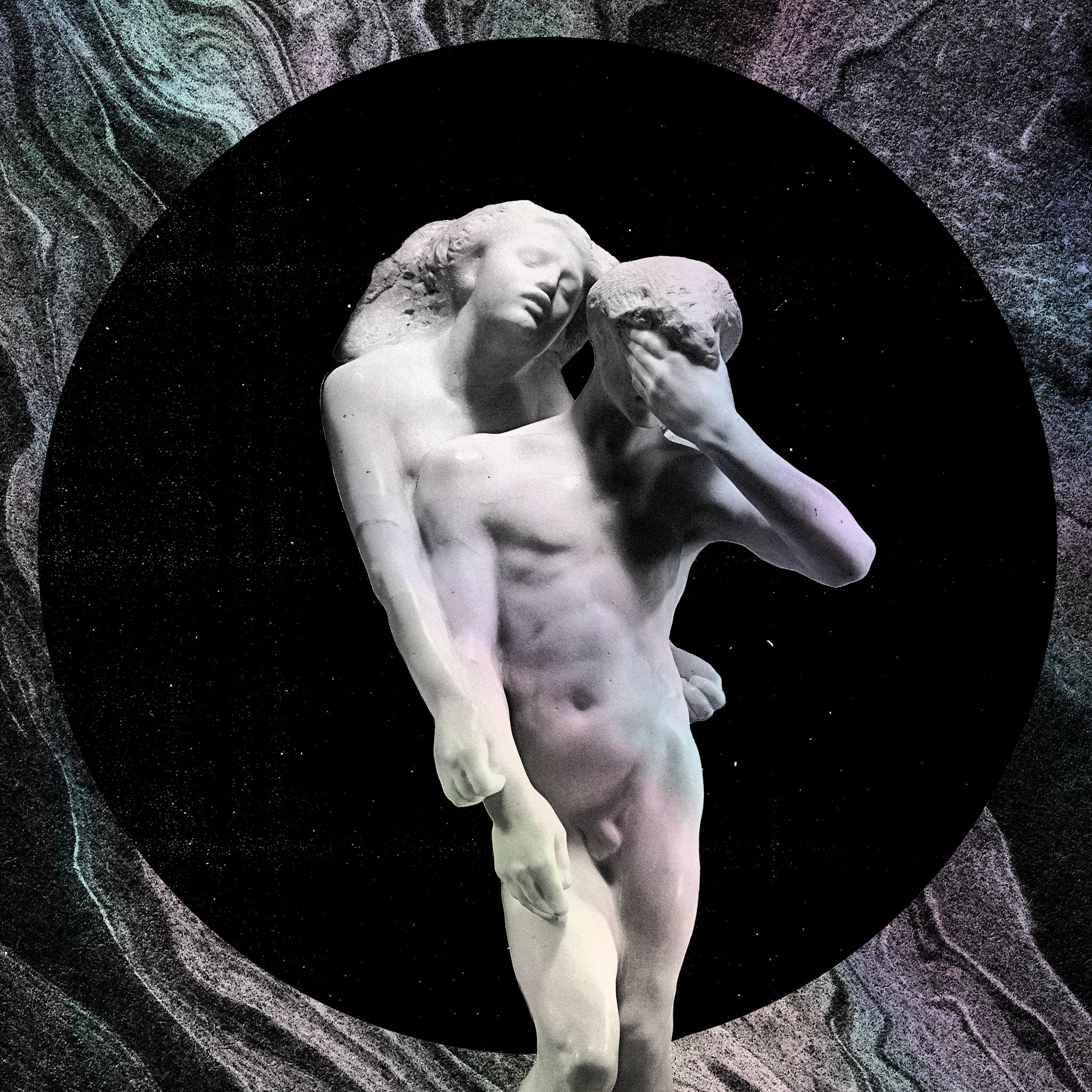
Immediately following the abstract documentary The Reflektor Tapes that chronicled Arcade Fire's time spent creating and performing their 4th LP Reflektor, the Montreal-based indie darlings have released five previously unheard songs as part of a deluxe version of the record out today.

“Apocrypha," “Women of a Certain Age," “Soft Power," “Get Right," and “Crucified Again,” as well as a remix of album track "Flashbulb Eyes" by reggae artist Dennis Bovell. "Get Right" and "Crucified Again," which were played in the film, are available as a 7" starting today, with all six tracks being released under the name The Reflektor Tapes in the (appropriate) medium of tape cassette October 16.

"Get Right" / "Crucified Again"

"Get Right" / "Crucified Again"

You can hear the new tunes below on Spotify now. Watch The Reflektor Tapes trailer here.

Wig Out With Dream Culture’s Kaleidoscopic 'Post Habitual' EP

Music ReviewSebastian MarquezComment
Cover art by Mac Stewart

Cover art by Mac Stewart

Dream Culture are a relatively new Athens, GA purveyor of psychedelia in its most modern sense. On their odd Picasso adorned second EP, Post Habitual, they fine tune their sound and double down on their contemporary influences to create a great little slice of psychedelic pastiche.

Now, I say pastiche here because their influences shine through not unlike that Crazy Diamond we all know and love. However, it isn’t Pink Floyd they’re sounding like here, but rather Tame Impala and Unknown Mortal Orchestra. Everything from percussion style, the impressive crunch of guitar, their choice of synthesizers, and even how the vocals are mixed in bring forth elements of both the aforementioned groups’ second albums.

While this does give Dream Culture’s overall sound on this album a very derivative feeling, this is not completely to their detriment. The band plays with an earnest tenacity that can't be denied on this album, and they sound like they had a hell of a time recording this biz. Come for the kaleidoscopic grooves, stay because it’s too much fun not to.

Sample the EP with two standout tracks "Doesn't Have To Be" and "EveryDay" below. Post Habitual is out now on Moeke Records and you can buy it in full here.

Broken Bells Are Back With "It's That Talk Again"

New MusicWeston PaganoComment

The Shins' James Mercer and the ever-prolific Danger Mouse have already released two moving LPs as part of their Broken Bells collaboration, and today we get a small taste of something new with one-off space disco single "It's That Talk Again." 

The groovy track adorned with Mercer's searching vocals comes ahead of the concert film Broken Bells: Live At The Orpheum being premiered at Palladia on Saturday. Immerse yourself in it below:

Get Your Big Grams Fix With “Goldmine Junkie”

New MusicJulian AxelrodComment

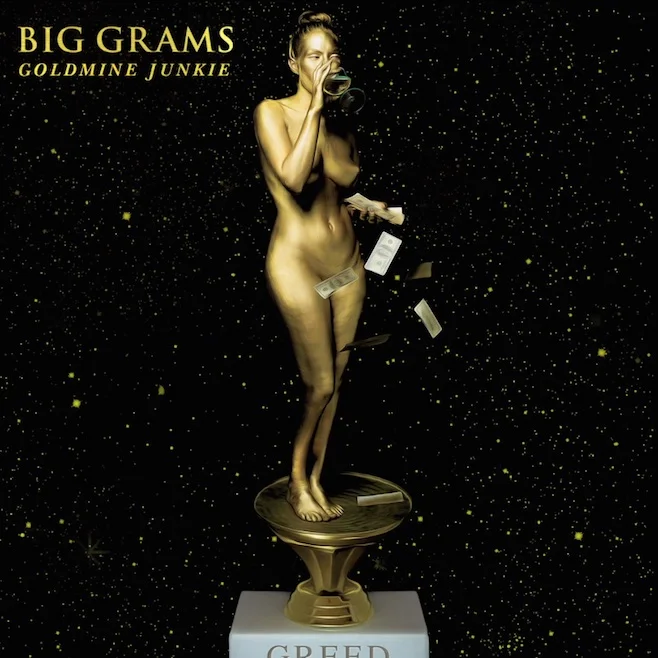
It’s a testament to the powerful chemistry at work in Big Grams that their partnership is still taking on new and interesting forms. While “Fell in the Sun” highlighted Big Boi’s verses and “Lights On” put Phantogram front and center, new single “Goldmine Junkie” is the most collaborative effort we’ve heard from their forthcoming Big Grams EP so far.

The song’s lyrics detail an unhealthy love affair over plaintive piano chords and soaring strings, and while the hook isn’t the strongest in either artist’s catalog, the interplay between Big Boi and Phantogram singer Sarah Barthel brings both vocalists out of their respective comfort zones. Big Boi’s verses boast a melodic dexterity that we rarely hear from him, while Barthel drops an impressive rap interlude that sounds unlike any performance she’s delivered in the past. When the two trade lines on the song’s interlude, it’s a genuinely thrilling moment that feels like the purest realization of Big Grams’ potential.

Big Grams EP is out September 25th via Epic/Republic.

Destroyer Ushers in a 'Poison Season'

Music ReviewSebastian MarquezComment

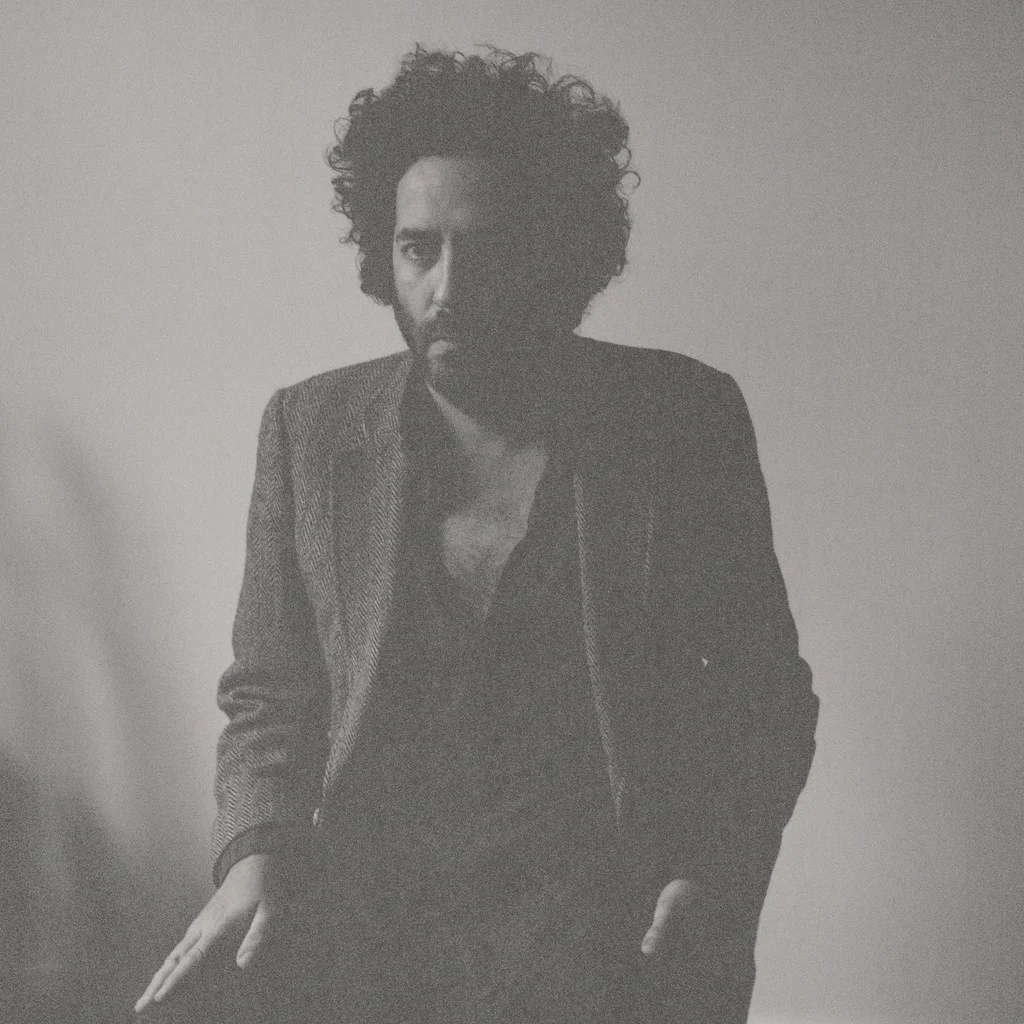
Ah, Dan Bejar, with your linen shirts, lah-dah-dahs and wonderfully verbose lyrical content, welcome back. After four long years, Poison Season is Destroyer’s latest offering to the industry he loves to routinely criticize.

What initially comes to mind is how it might compare to the preceding record, 2011's Kaputt, though you can’t approach this LP the same way. It's not that the two aren’t comparable, though; the players on Poison Season were all part of the band Bejar put together for the Kaputt tour. 

What we have here, however, is an altogether different album. For those who were introduced to the world of Destroyer with Kaputt, it could be feasible they might not like Poison Season; Gone are the new age ambient workouts like "Poor In Love" and the sad-boy disco stomp of that damn near perfect title-track. Poison Season is a live band playing Destroyer songs, and good ones at that.

That's not to say that the ambience is completely lost, as evident in "The River"’s soothing presence, it’s just presented differently. In interviews Bejar has compared this setup he’s got going on to the likes of Billy Joel, and, at risk of sounding like a yes-man, yes, the instrumentation does remind a bit of Billy Joel and the like.

Above everything, though, we still have Bejar’s sense of melody and always outstanding understanding of why English can be such a cool language when put to music. His deft turns of speech and beautifully surreal imagery (like on "Forces From Above"), ear for little details (the lone saxophone in the right speaker holding its note out at the end of "Times Square" just does things to me, man), and deft use of older lyrical cliches for his own purposes ("Sun in the Sky") all serve as reminders that Dan Bejar knows what he’s doing here.

Let the record wash over you. Pay attention to what he has to say because, hell, whatever it is he’s trying to say sounds really pretty when he says it.

Hear Father John Misty's The Velvet Underground-Inspired Cover of Ryan Adams' The Smiths-Inspired Cover of Taylor Swift

New MusicSean McHughComment

Taylor Swift releases her final “country” (a generous description) album, Red, in 2012, spends two years time doing whatever precocious twenty-something mega stars do, and then releases her pop magnum opus, 1989, in October of 2014.

Less than a year following 1989's release, Ryan Adams confirms in early August 2015 that he planned to record covers of Swift’s entire 1989 album in the style of The Smiths. He promptly releases the record on September 21, 2015.

A mere four hours later, the madcap troubadour, Father John Misty, releases his own homage to Adams’ homage, in the style of The Velvet Underground, as hinted by the famous Andy Warhol The Velvet Underground & Nico cover art released with the two singles.

Misty described the cover of “Blank Space” as his "interpretation from the classic Ryan Adams album '1989,'" and released an additional cover of “Welcome to New York” shortly after.

What can only be assumed as yet another undertaking in Father John Misty’s continued quest to skirt the line of entertainment satire and pure lunacy, as well as perplex the masses actually works as a serviceable fusion of Swift’s lyrics, Adams’ idea, Lou Reed melodies, and of course, Misty’s trenchant panache.

My reinterpretation of the classic Ryan Adams album "1989"

My ongoing tribute to the classic Ryan Adams album "1989"

UPDATE: The tracks have been taken down following some sort of dreamstate epiphany from FJM himself:

I had a very strange dream that I abruptly woke up from around 3am early this morning. I was crab-walking around a...

Posted by Father John Misty on Tuesday, September 22, 2015

Circa Waves’ Debut 'Young Chasers' is Youthful, Clean, and Fresh

Music ReviewBrenda HuaComment

Circa Wave's debut album Young Chasers has already been out in UK for a few months now, but has ridden a high wave (yes, wave) to American shores this weekend. Two years after DJ and producer Zane Lowe declared their single "Stuck in my Teeth" his "Hottest Record in the World," Circa Waves have finally released an LP featuring it and the band's preceding EP's  title-track "T-Shirt Weather." In addition to the old favorites of dedicated fans, this official debut is made up of solid light rock tracks that shine with a simplistic tribute to clean indie pop. No electronic noise or artificial synthesizers, just clear guitar riffs and beautiful melodies.

With so many far down the rabbit hole of over-mixed and over-produced sounds, a pop act without all the tricks and magic is youthful, clean, and fresh. Channeling the spirit of Two Door Cinema Club and The Kooks with some Favourite Worst Nightmare-era Arctic Monkeys underlying their feel of an eternal beach day, Young Chasers is a perfect pavement of the band’s presence on the indie pop scene.

The album opens with the three previously released singles, a risky choice if not for the catchiness of the tunes. Starting with "Get Away," a clear, vibrant, and colorful vibe blooms with the beginning track. A fan favorite since it’s original release, track number two, "T-Shirt Weather" carries on that energy and pokes at the foggy memory of that summer party in a low lit room with your closest friends and some accidental strangers. Mimicking the polished rebirths of bands like Walk The Moon, Circa Waves re-recorded "Stuck in My Teeth" and "Good For Me" for the album, both which were released almost two years ago, and the updated versions strongly highlight the group’s maturity in sound and confidence. 

As for the new songs, frontman Kieran Shudall laces each with a perfectly partnered melody and riff that hit every nostalgic nerve of the indie lover’s soul. Standout "Best Years" cries for a fleeting youth and a time that passes too quickly, a feeling familiar to every person (if you don’t agree, you’re lying to yourself). Sun-kissed melodies and boyish charm build each track to perfection, with many a song teeming with chart potential. 

Circa Waves’ talent in building very consistent songs off the very well recognized “indie guitar band” sound has been the center of concern for critics of the band, but truthfully speaking, it has been too long since we’ve had an album with substance that was just pure fun. As a debut, Young Chasers is an impressive record and pays homage to that perfect adolescent summer we all deserve.

Young Chasers is out now via Transgressive/Virgin EMI

"Are You Alone?" Then Listen to Majical Cloudz's New Title-Track

New MusicWeston PaganoComment

Following "Silver Car Crash," the atmospheric beauty of a first look at Majical Cloudz's forthcoming sophomore record Are You Alone?, we are now graced with the second single and title-track. According to their site,

‘Are You Alone?’ is a song about life! People doing things and feeling things and falling all over the place! Lots of emotions! Just trying to keep going! Sometimes it’s easy! Sometimes it’s hard! It’s a song about caring what happens! To other people!

"What's the point of a sad, sad song / Do you hear what I'm saying / Or not at all?" Welsh ponders over a bed of synths and muted clicking percussion. We're listening, Welsh, and we're ready for more.

Are You Alone? is out October 16 via Matador. Watch the music video for first single "Silver Car Crash" here.