TRANSVERSO

- A culture magazine reaching terminal verbosity -

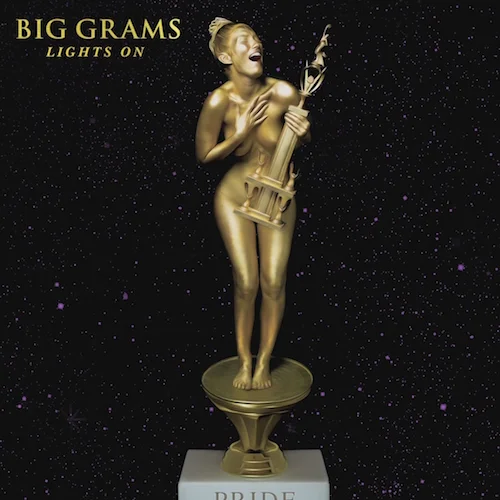
Big Grams Keep The "Lights On" in Second Single

New MusicJulian AxelrodComment

In any partnership, it’s important to know when to take a backseat. And while Atlanta rapper Big Boi is arguably a bigger name than New York electro-pop duo Phantogram, his co-conspirators in the new collaborative project Big Grams, his experience as half of legendary rap duo Outkast has clearly taught him to know when to cede the spotlight. “Lights On,” the second single from the upcoming Big Grams EP, further proves Big Boi’s skill for elevating those around him.

While first single “Fell in the Sun” relegated Sarah Barthel and Josh Carter to hook and beat duty, respectively, “Lights On” is undoubtedly Phantogram’s show. And the duo makes the most of it, delivering a wistful track that captures the intangible longing for companionship that only seems to come around when you’re alone at 3 AM.

Although Big Boi features less prominently in “Lights On” than his partners, he makes the most of his time with a spry verse that touches on subjects ranging from loss to materialism to the adverse effects of Adderall. (Although his pronunciation of “Savannah, Georgia” is the undisputed highlight of the track.) What’s truly impressive is Big Boi’s ability to elevate the track without betraying its emotional impact. Then again, maybe we shouldn’t be surprised that the expert collaborators in Big Grams have written a song about finding someone who completes you.

Big Grams EP is out September 25th via Epic/Republic.

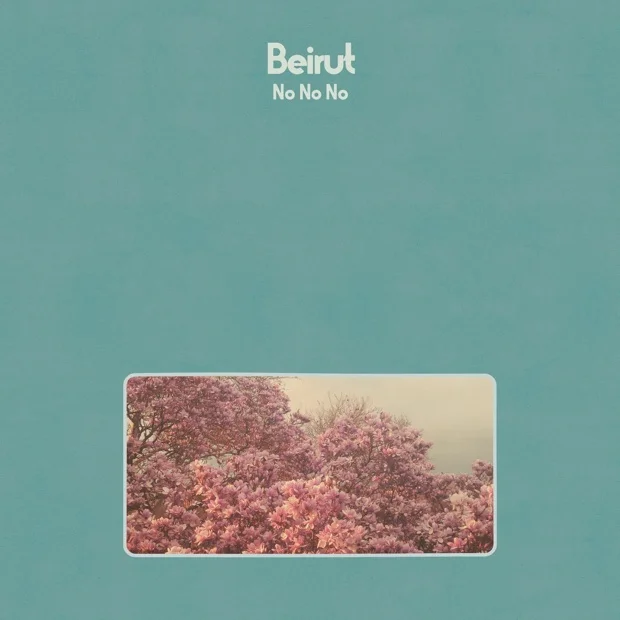
Beirut's 'No No No' Not Light as a Feather, But An Easy Stroll

Music ReviewWilfred H. McSnuffComment

Close and nearby, as if you could reach out and touch it, Beirut's latest release No No No is a tangible indie-pop meditation that's gone before you know it. Though not particularly groundbreaking, the surprisingly clean and square record at hand is an accessible evolutionary companion to its 2011 predecessor, The Rip Tide

Both records have less of the melancholic desperation inherent in some of the Balkan-inspired baroque pop of their earlier years and stay at a moderate easy-listening tempo, with "August Holland" conjuring the most '60's pop the project has ever ventured. And yet, all that is Beirut remains, just with some of the edges rounded off.

Instrumentally a straight shooter, most of the album is wrapped around unaffected Rhodes and piano at its core, and at times it feels as if Beiruit is imitating itself but with less ambition in the production.  Other than an aptly timed chewy cycle of piano / Rhodes on "Perth" (with a Mellotron fade out to boot) this is the lone track where keyboards layer and diversify, unusual for a band traditionally lacking guitar. 

At a restive pace of three minutes a song, the record is a safe haven for a habit of four cord repetitions. And as always, a savior from the risk of monotony, Zach Condon's dulcet tones somehow hold you. The first two tracks are an assertive announcement of indie-alt-pop intent for all brand of familiar strangers to the band, either because you don't know them or because it's been awhile. The opening tribal membranophone of "Gibraltar" demands immediate movement (with a sneaky snare drum on the inside) that couples quickly with a bare bones piano block chording its way through your friendly neighborhood major scale; soon a sizzling shaker grants a sense of spontaneity, strolling like a crisp bite Apple commercial on a clear blue day in urban landscape of somewhere. Glowing vibrato in the vocals aid and abet, before all quickly immerses into a constant cycle of the same chords, accentuated with our ever present piano hopping on the offbeat, alongside harsh claps of what are certainly not hands, but are asking to be. Once the shivering tambourine  joins and the bass grounds circuit, the design of repetition works. The bass trades only briefly with a humming sine wave synth that keeps us on our toes, and some giving and taking away of instruments (for pacing concerns) hold the reins in long enough for a Fleet Foxes vocal bridge, but with just enough headphone bleed and off center downbeats across instruments to make us feel like we are in the apartment tracking the vocal ourselves.

The eponymous number "No No No" is second out of the gate, and it's initial transition sounds like a demo song on an old Casio that was clearly the inspiration for what's about to follow, as it is immediately chased off by its HiFi evolutionary ancestor, but cheats its way back in under the surface halfway through. This is really just a continuation of track 1, what with an almost identical layout instrumentally, merely dropping a half step and trading the piano's major 7th for a Rhodes's minor 7th, and vocal harmonies for a lush horn section at track's end. It is a proper table of contents for what's to come, never breaking stride or design and never lasting too long. And yet it's the one you want to hear more of, as the rising pentatonic trumpets swirl higher and glide on yet suddenly stop.  This is, after all, supposed to leave you wanting the rest of the record.

The following "August Holland" is a lazy Ringo on the drums and McCartney on the keys enough for anybody, and "Perth" is the gem of the dig, all reaching their destination in the closer 'So Allowed' with its '60's 6/8 waltz and small orchestral overture expanded by a subtle organ for a wider end that sounds much like where the record began.

In it's brevity, the plaintive yet efficient motion at work has a warmth and comfort not unlike all previous instantiations of Beirut, though again less a strange intensity.  The earnest mid-aughts brass and strings orchestrations that have always worked so well for Beirut are ever present, and provide a pleasant strength (see the swelling instrumental in "As Needed") though perhaps like the keys less adventurous than before. This adds to the feeling that you're in the room for a live session that could have been written and recorded in one weekend.

There's still that spirit of a DIY mixing treatment here also. As they are often called where the sausage is made, there are some 'artifacts' of imperfection present that a casual listener may not notice or find a bother, but is a hallmark and asset of many favorite recordings where the performance is the "it factor" to capture or at least feigned.  Beirut does whatever it likes, and knows how to give its songs room to breathe, and personally I enjoy the less quantized and mechanized.

Condon's vocals are a lilting yearn of a tenor, a gentle dialect at once Robin Pecknold and Julian Casablancas, though his a more slow motion croon. At times lyrics are difficult to discern more so than before, vanishing a bit more into the music more than usual. But this isn't crippling and may be a function of what's at work: ensuring repeated listens.

With less of the emotional stakes as fellow proto-hipster architects like Sufjan Stevens, this effort evokes more of the sonic clarity of an Andrew Bird aesthetic but perhaps composed and mixed with even more populist sensibilities.  The more cynical among us may be tempted to find No No No a bit distant and meek, as is often the case when artists venture into what are shallower sonic waters, and that may be true in comparison to previous weight. But more optimistic fans of Condon and co. will see this album moves with a purpose and does not meander, much like a recent (though darker) contemporary Star Wars by Wilco.  Each has its own confidence. 

Where it may fail in epiphany, it succeeds in consistency. It is a good meal, not an opus. While likely more a triumph for the mid-2000's vs the current decade, it knows what it wants. If it's weak, it doesn't care. Lovers of Beirut will likely enjoy the familiar formula, and newcomers should find it a gateway to their oeuvre. It does not pretend to be profound and is at least on the surface likely the more accessible the band has ever been; a good friend but not one you always have deep conversations with. A record of effortless, simple symmetry, where everything seems to happen only "as needed."

No No No is out now via 4AD.

Watch Father John Misty Share His Enduring Love for Josh Tillman in New Music Video

New MusicSean McHughComment

The ever esoteric, but endlessly engaging Father John Misty has released the music video for “The Night Josh Tillman Came to Our Apt.” off his sophomoric (and sardonic) effort I Love You, Honeybear.

The video opens with two iterations of Josh Tillman in a bar - one charming and debonair, the other detached and unencumbered. As the video progresses, the two Joshes partake in a variety of vacuous hipster rom-com tropes - pool swimming, drug sharing, and three part “Silent Night” harmonies - leading up to the most irreverent of narcissistic embraces.

Witness the unholy coupling for yourself below:

I Love You, Honeybear is out now on Sub Pop.

Big Boi + Phantogram Collab Big Grams Fall in the Sun With First Single

Music News, New MusicJulian AxelrodComment

While Atlanta rapper Big Boi and New York electronic duo Phantogram are strong artists in their own right, both seem to thrive on collaboration. After Phantogram contributed three of the standout tracks from Big Boi’s 2012 album Vicious Lies And Dangerous Rumors, the trio has reunited under the Big Grams moniker and announced the Big Grams EP, set to drop later this month. And while the group’s previous collaborations are enough to make this exciting news, first single “Fell In The Sun,” (which premiered on Beats Radio 1) suggests that this team-up has brought out the best in both parties.

The genius of “Fell In The Sun” lies in the interplay between these seemingly disparate artists, as Sarah Barthel’s exuberant hook mingles with Daddy Fat Sax’s playful verses over a warm, crackling beat from Josh Carter that sounds like Big Boi’s “Shine Blockas” playing on warped vinyl. On the bridge Barthel sings, “Dealt this dope from ATL to New York,” but what Big Grams has cooked up might be even more addictive.

Big Grams EP is out September 25th via Epic/Republic

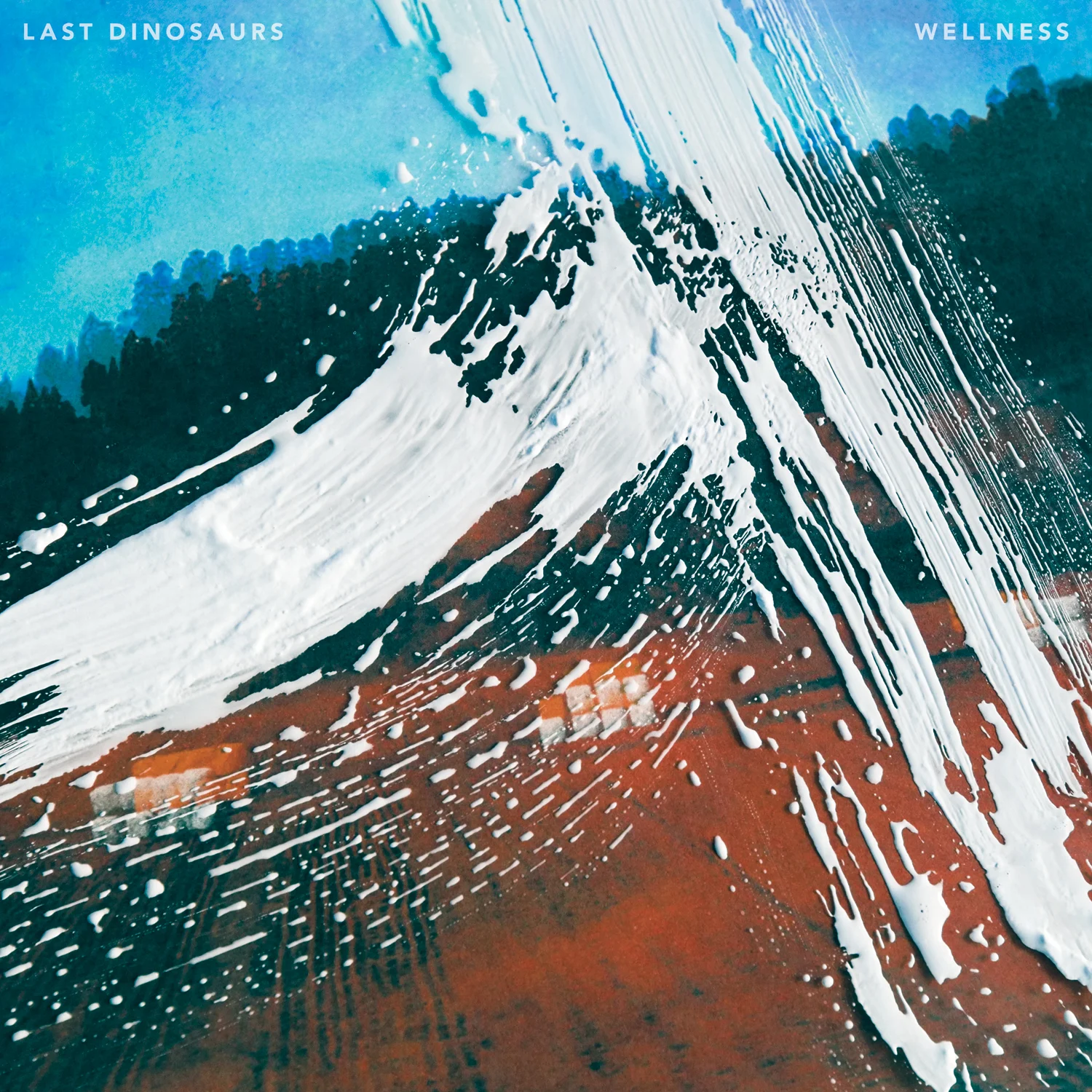
After Three Year Silence, Last Dinosaurs Finally Speak on 'Wellness'

Music ReviewBrenda HuaComment

Three years ago Brisbane quartet Last Dinosaurs released their debut album In A Million Years, setting their sound as light, guitar-based indie pop. In the time since, this hidden Australian jewel has gone through band reorganizations with a bass player replacement and intense musical rediscovery before finally releasing their sophomore album, Wellness

Opening with “Take Your Time," which starts with a forest of sounds that mimicking tongue clicks and raindrops, Wellness then glides into the lead single reminiscent of their debut sound, “Evie." Wellness continues to track a sporadic lineup throughout, yet the album stands as a cohesive collection due to the ethereal dance-floor rhythms present within each track, similar to the sounds of early-80’s pop projects. With silky electric guitars and a vocals that are over-mixed in both volume and pitch to stand out, this album lifts with its riffs without losing the Last Dinosaurs sound that fans grew to love three years ago. 

Throughout the writing process, Last Dinosaurs built unique, in-house pedals from scratch, naming them, and eventually the songs made with them, "Evie" and the title-track "Wellness." Each song has a specific backing sound created with a specific pedal, unique to the band and the story, a tedious process that paid off. It’s this attention to detail that builds Wellness into the great piece of music it really is.

For example, “Wellness” itself is one of the slower beat tunes on the record, holding an ever-present, wavering silver string that quivers with the sadness of the afterlife of a lost lover. Followed with the second single, “Apollo”, a quickstep guitar song, the softness of “Wellness” is even more impressive while the upbeat nature of “Apollo” is even harder to miss up against it. Without disrupting the singularity of each track, Last Dinosaurs pulls together the full story of loving, losing, and moving on.

'You’re The Worst' S02E01 – "Sweater People": Jimmy and Gretchen Haven’t Quite Settled Down In Season Opener, But That Doesn’t Stop It Being Hilarious

TV/Film ReviewHenry SmithComment

After plenty of laughs, losses and pre-written heckles, FXX comedy You’re The Worst made a triumphant return to television in this week’s season opener, "Sweater People."

To recap, last season’s finale "Fists and Feet and Stuff" brought on all kinds of change for our protagonists (heroes may be a bit of a stretch); Lindsay (Kether Donohue) continued her downward spiral as long-suffering husband Paul (Allan McLeod) demanded a divorce, Edgar (Desmin Borges) moved back in with Jimmy (Chris Geere) after a brief and ultimately doomed attempt to show that he’d moved on (lovingly consummated by brutal sleeper hold), and an intense finale ended with Gretchen’s (Aya Cash) apartment burning down thanks to a rogue vibrator. Jimmy and Gretchen took this as the universe’s cue to move in together, and although neither will admit it, the final shot of the two with boxes in their hands and fading smiles on their faces show us that there was a fair bit of trepidation in their decision, and that not all things are going to be rosy for our toxic romantic couple. Also, Becca (Janet Varney) and Vernon (Todd Robert Anderson) are having a baby, and though those two really are the worst, it’s going to be interesting to see how their pregnancy plays out among the group (in particular with Lindsay) over the following season.

For now, though, it’s episode one, and it’s time to see how Jimmy and Gretchen are doing as a couple living together. You’re The Worst is at its most effective when we see Jimmy and Gretchen subvert romantic convention, whether that’s by bringing Chinese food and beer to a romantic movie date or by banging strangers in an attempt to one-up one another. It’s in full force here, as our two lovebirds try desperately to avoid relationship ennui by partying non-stop, escalating from drinking to cocaine to a “new synthetic thing - Belgian” that ends up with them stealing a Google Street View car and driving it into the woods.

You get the feeling that it’s due to fear more than immaturity (though they look almost identical in the right circumstances), and this is backed up by the fact that neither party are having a particularly good time. Jimmy is literally “pissing blood,” and Gretchen’s falling asleep at her job, and “sleepy bitches lose their right to use normal people phones,” according to Sam, who gives her a burner phone for her narcolepsy and swiftly slides hers into the garbage. Not that Gretchen would have minded much; ever since she moved to Jimmy’s she’s had awful reception, but a trip to the electronics store brings up suggestions of sharing a Family Plan with. A sentimental (if not slightly creepy) monologue by the sales person gives us an insight into the collective minds of Jimmy and Gretchen, as they high-tail it before the guy’s even turned around.

For whatever reason – Jimmy’s still smarting from his dalliance with Becca and Gretchen’s parents hint at deep insecurities within Cash’s character – the couple can’t bring themselves to be comfortable enough to actually be fully into this relationship, and though they don’t confront it fully, there’s a moment of understanding at the end, whether they share a goodnight kiss and settle into bed. Almost. They resort to only drinking clear liquor to chase away their nine hours of beauty sleep, but for these two, that’s a romantic gesture on par with the end of The Notebook. Despite moving in together, this relationship is going to need a lot more fleshing out, and the sight of Chris Geere’s Jimmy subtly placing a coaster underneath Gretchen’s mug indicates there’s a lot more conflict in the works as they both really get to know one another.

This episode gets its title from Lindsay, who’s doing okay after her divorce from Paul, living alone and… whatever “assing everything” means. She makes Gretchen vow to never become part of a boring couple as she allowed herself and Paul to become, making clear her dislike of “sweater people”. A visit from Paul, however, shows that the independent single girl was just a façade, as within two minutes of showing up at her house to deliver some subscription termination papers, the couple are upstairs in Lindsay’s bedroom, doing the business. Although she’s in her underwear, we see Lindsay slip on her sweater as she urged Gretchen not to, but Paul’s having none of it; he’s clearly moved on from Lindsay, who does not take this well. Another interesting loose thread from the end of season one was the potential feelings Edgar has for Lindsay, and he drops by with breakfast lasagna to find her in her garage, drinking apple cider in her wedding dress. So much for “assing everything”. An Edgar-Lindsay coupling would scream of “Pairing the Spares”, but Desmin Borges and Kether Donohue have enough on-screen chemistry that this wouldn’t be completely cringeworthy. A nice moment wherein Edgar helps Lindsay to pack away the rest of Paul’s stuff in an effort to move on is tainted slightly by the discovery and freezing of a used condom, but we’ll see what will be made of this sticky situation (pun intended). 

All in all, it’s nice to see the vision Stephen Falk has for You’re The Worst. The show has lost none of this caustic charm, while sowing seeds for greater story developments that I can’t wait to see. 

Delta Spirit Discuss Unorthodox Instruments, Writing in a Rat-Infested Rehearsal Space

Music InterviewWeston PaganoComment

Amidst the heat and crowds of Chicago's flagship festival, Lollapalooza, I got the chance to sit down in the shade with Californian rockers Delta Spirit as part of GRAMMY Pro's series of interviews with some of the top acts to perform this year.

Watch below as bassist Jon Jameson and vocalist Matt Vasquez discuss their most recent record, 2014's Into The Wide, the evolution of their live shows, and writing in a flooded, rat-infested rehearsal space.

Into The Wide is out now via Dualtone Records.

Youth Lagoon Gets Bitter In Third Single, "Rotten Human"

New MusicWeston PaganoComment

Trevor Powers, AKA Youth Lagoon, continues the rollout of his forthcoming third record Savage Hills Ballroom with "Rotten Human," his bitter third single behind "Highway Patrol Stun Gun" and "The Knower."

Showcasing increasingly dynamic and vulnerable vocals juxtaposed with a still introspective yet more unwavering drive, Youth Lagoon has newfound conviction but is still just as dissatisfied, itching to set the record straight over a cruising tide of dark melodies.

When asked what the new song means to him, Powers told Nerdist,

Throughout the process of writing this album—about two years—I’ve gone on this spiritual journey to learn more about myself and my faults and all this stuff that I’ve tended ignore for a really long time. It’s so much easier to go through each day and forget the previous day or forget the hurtful things you said to someone or whatever it might be, just the shitty parts of your life. This song is addressing that. It’s really examining what it is that makes me who I am, and what parts of that are disgusting.

"You are the habit I couldn't break," Powers laments later on in the track. As excited as we are for the new LP, I think we could say the same about him.

"Savage Hills Ballroom" in stores September 25, 2015 iTunes: http://smarturl.it/ylshb LP/CD: http://smarturl.it/YLSHB-preorder

Savage Hills Ballroom is out September 25th via Fat Possum. Check out Youth Lagoon's tour dates here.

Majical Cloudz Doesn't Blink Once In "Silver Car Crash" and It's Lovely

New MusicWeston PaganoComment

Majical Cloudz's new music video for "Silver Car Crash," the first single from his forthcoming sophomore album Are You Alone?, is a playfully off-putting and genuine little black-and-white journey with Devon Welsh as he balances on a railroad track and stares directly into your soul.

Earnest and simple, it eschews the grand production of moving masterpieces "Childhood's End" and "Bugs Don't Buzz," more resembling the DIY charm of "Savage," all without one. single. blink.

Are You Alone? is out October 16 via Matador.

Foals Elevate Power and Control on 'What Went Down'

Music ReviewWeston PaganoComment

Foals’ reputation as one of the best live acts of the current generation should by no means detract from their recorded efforts; what is kinetic energy on stage drips and pulses through the grooves of both the vinyl and the music itself. Even their spinning wax can elicit more rapture than many live acts today, still you can’t help but feel What Went Down is the best advertisement for an impending tour a band could hope for.

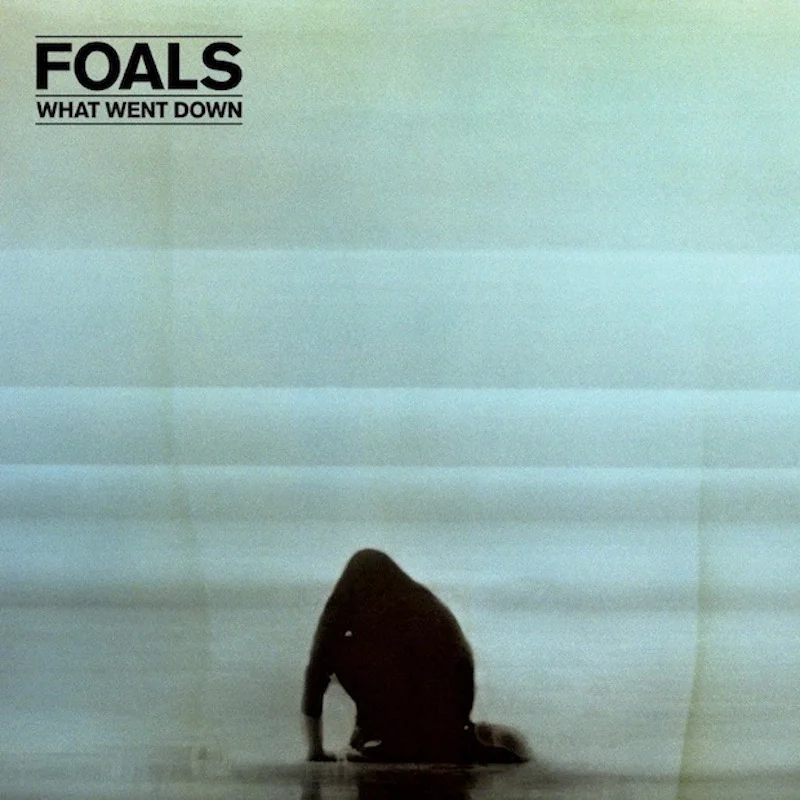
Absolutely massacring the starting gate with the title track, guitarist and vocalist Yannis Philippakis and co. conquest straight through the heavier territories they had only previously visited with “Inhaler.” Complete with cover art evoking the horror movie style of The Ring, it’s a downright animalist and violent first impression. Recorded in the same village in the south of France where, according to the press release, "Van Gogh was hospitalised after savaging his own ear,” you have to wonder if there's something in the water; “What Went Down” savages your ears just the same, one steamrolling riff and punchy howl at a time. Philippakis claims to have "buried his heart in a pit in the south,” and if he’s truly left part of himself in that soil we can only imagine what will grow out of it next.

In terms of the track listing it's quickly revealed what follows, however. “I drive my car without the breaks,” Philippakis recklessly informs in the radio ready yet earnest “Mountain At My Gates,” but with the way he expertly steers through the hazardous path you can enjoy the throttling ride. "Birch Tree” then implores “Meet me by the river / See how time flows,” nodding to the evolution of the Oxfordshire rockers’ discographical transition. 

“The city I was born in / Left a long time ago,” he recalls over jumpy guitar reminiscent of “Total Life Forever.” Having come far from their mathy and youthful debut Antidotes to the angsty, self-exploratory sprawl of Total Life Forever, Foals breakout album was arguably 2013’s Holy Fire on which they honed their seeping vulnerability and visceral guitar hooks into a full-bodied masterpiece. That veteran professionalism expands on their newest LP, and while its newfound comfort verges on the slippery slope to arena rock at times it never falls prey to the completely jaded polish of rock stars past their prime. The scent of blood and the hunger that drives them towards it is still there, even if it’s smeared across Philippakis own face now post-fistfight. Aggressive, confident, and tight, they’ve unabashedly taken "over your town;” no longer looking for space, Foals have found it and are asserting dominance over it.

It may be the fullest sounding record they’ve made, but with this increase in depth comes the least dynamism they’ve exhibited in a while, slowing down from then on to hit a bit of a midrange that consumes the majority of the record. “Give It All” explores a hint of oriental melodies behind its unequivocally English breakup lament “But you’re there by the tube stop in the freezing rain / You caught the bus and I caught the train / All that remains are words in the rain,” while “Albatross” carefully ascends like a more bombastic Coldplay. This lull is still just "the shade of a thunder cloud,” though, as the smooth sailing soon thrusts us over the rocky rapids adorning a sheer cliff-face, leaving us to hold on for dear life.

Unlike the name suggests, “Snake Oil” is the real deal, giving What Went Down its second peak to rival the high-flying opening. Rumbling along before lashing out venomously, “Snake Oil” is an earthquake in a hurricane and it takes hold of you with a most raucous and primal eruption of adrenaline, leaving you longing for that date circled on your calendar when Philippakis can smash it into your face in person. With lyrical moments of classic pop platitude like "You cast a spell that keeps me wired / Keeps me red, keeps me on fire,” it’s not the deepest of sentiments in Foals’ repertoire, but it’s one of the most boldly presented, and with a body like that, who cares?

From “Night Swimmers” superb afrobeat drive to the vaguely twisted-Lorde sway of "London Thunder”’s emotional self-awareness, the sea storm then settles to gently lapping waves with “A Knife In The Ocean”'s rolling takeoff into a restless end.

So what went down? A turntable stylus, a hapless swimmer, and 49 minutes of unadulterated power that never seems heavy handed, valleys that never seem lazy, and, if you’re lucky enough to be there, Philippakis himself as his body leaves the stage and lands on top of you.

What Went Down is available now via Warner Music. You can buy it here.