TRANSVERSO

- A culture magazine reaching terminal verbosity -

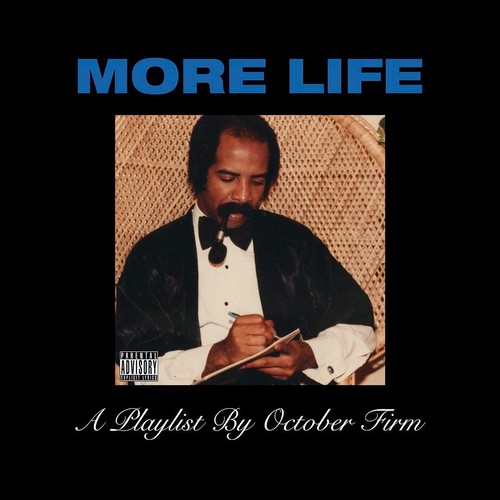
Drake Sets Masterfully Curated Ambience on 'More Life'

Music ReviewEzra CarpenterComment

Early talk of Drake’s More Life project offered the public no refuge from the nuisance of semantics, which confronts us daily with such annoyances as “alternative facts” where matters of legitimate constitutional and socio-economic interpretations didn’t already have us preoccupied. The predicament: if an artist assembles a compilation of new music, does it constitute an album? Drake disagrees, categorizing More Life as a “playlist” as opposed to a mixtape or LP. But More Life bears more of the eschewed categories’ qualities than Drake gives credit. Like an album, More Life consists completely of new material and establishes a tone and ambience in the ways of a mixtape (at least as those of the Reagan-era understood mixtapes). But granting Drake his agency to categorize his work, More Life still falls short of his grandiose promise to “provide a soundtrack to your life.” He provides us instead with a calculatedly mood-setting compilation bookended by shows of his mastery.

More Life suggests itself to be a platform for Drake to further exercise his fascination with dancehall and trap, as well as his longstanding love of Timbaland and Aaliyah. At its worst, it comes off as a collection of Views’ B-sides, but it succeeds in its moments of strong likeness to Drake’s OVO Sound Radio show (Apple Music). The collection is masterfully curated with consistent tone and easy transitions, while DJ monologues between various songs fortify the radio show aesthetic. As always, Drake’s rapping is tight and well-paced, but with such a lengthy release (clocking in at one hour and 22 minutes), he runs the risk of exhausting his limited but profitable subject matter.

On many songs on More Life, including “Get It Together,” “Madiba Riddim,” and “Blem,” Drake conveys his tried and true sentiment that love is hard without expanding upon that sentiment in new ways. The repurposed Stevie Wonder harmonica solo previously featured of “Doing It Wrong” (Take Care, 2011) deals a near fatal blow in regards to giving the album a recycled and unthoughtful feel. But More Life navigates past this with the single “Passionfruit,” a delicate dancehall-inspired R&B song built upon bouncy steel drums and synths. The sequence speaks to overall dynamic of More Life, passé at times but not for periods long enough to make us forget how Drake ascended into a position that would grant him the agency to release a “playlist.”

The most memorable moments of More Life are Drake’s skillful collaborative plays and his returns to his vintage introspection. Closing song “Do Not Disturb” evokes Drake’s mixtape heyday and his Thank Me Later/Take Care “tough-guy-feels-too” persona. The raps on the track are genuinely retrospective, lacing sentimentally provocative tales of fake Chanel gift-giving over a percussion-incessant R&B instrumental. Drake demonstrates a newly expanded music worldview with contributions from South African producer/DJ Black Coffee and British grime artist Giggs. He and Kanye’s interlocking verse on “Glow” yield hip-hop braggadocio gold and Young Thug delivers a flow-perfect verse on “Sacrifices” and radio-ready chorus and ad libs on “Ice Melts.”

Taken as a work intended for establishing ambience, both casual listeners and dedicated fans of Drake will find More Life as more than enough to sustain them until his next release. Though Drake’s classification of More Life as a playlist forces us to consider it separately from the studio albums comprising his catalog, it is hard to deny that Drake has logged another win for himself in releasing a compilation that meets his purpose of providing listeners an experience that pairs well with the many swings of life, from the mundane to the exceedingly hyped. 

'Raw' Is Worth Losing Your Appetite

TV/Film ReviewPatricia TancrediComment

Warning: this film is not for the faint of heart. Raw has garnered attention from rumors of audience members fainting and puking during screenings, and while I found myself gagging during some of the most graphic scenes, Raw is much more than blood and gore. It doesn’t rely on carnage for shock value, but instead tells an important story in the process. The 33-year-old French native, Julia Ducournau, steps into the feature film world with this sensational horror film that disturbingly represents a girl’s transition into adulthood.

Justine, a shy and naïve girl played by Garance Marillier, arrives at veterinary school plagued with self-doubt and anxieties. She falsely assumes that her older sister Alexia, played by Ella Rumpf, will help her stay off the upperclassmen’s radar and avoid humiliation, but that hope is quickly destroyed when Alexia forces her to eat a rabbit’s kidney as part of a hazing ritual. While her body first rejects it by breaking out in hives, a need for meat possesses her. Little by little her cravings for animal meat turn into cravings for human flesh, and few things stop her from going into a full feeding frenzy.

There are clear parallels between Justine’s emerging cannibalism and her sexual exploration. At the start of the film Justine is a virgin who is overwhelmed by the debauchery of her first college party, and by the end of the film she scans the party perched up on a countertop, legs spread in search of her next prey. The veterinary students pack into these parties in a way that resembles a slaughterhouse, which is how Justine views them. Her sexual desire, her need for human flesh, and alcohol intertwine for some disastrous consequences.

Her sexual awakening and her evolution from vegetarianism to cannibalism come with a rise in self-confidence and self-awareness without regard for social norms or consequences. The first half of the movie she comes off shy, soft spoken, and doing everything possible to avoid humiliation with little success. At one point she is forced to wear an adult diaper over her jeans for looking at an upperclassman. Later she becomes aware that other people find her attractive and the power she can harness from that. She even seduces herself by dancing in front of a mirror while getting ready for a party. However, she is never truly free from the judgment of other people and the fear of humiliation she carries with her is only ever gone when she is entranced by human flesh. Once she’s done feeding, Justine typically feels guilty mainly because she worries what others would think, but that remorse is never enough to make her stop.

Ducournau and cinematographer Ruben Impens shoot this in a way that allows viewers to sympathize with Justine. She may be doing things that most people would find vile and immoral, but we see her fear, her anxiety, her evolution, and her growth. However, viewers are never truly at ease watching “Raw.” The score sends unnerving chills up and down your spine if the scenes drenched in blood and guts weren’t enough to make you want to hurl. There seems to always be a low hum of buzzing or alarms to make the hairs on your arms stand up.

Raw portrays womanhood in a gruesome way, much like Nicolas Winding Refn’s Neon Demon, but with a much stronger focus and effect. Refn’s film feels pretty superficial in comparison, relying heavily on visuals to mask the many plot holes and unnecessary length. In contrast, everything in Ducournau’s film feels purposeful from the more artistic, dreamlike sequences to the balance between wide shots and close ups. Raw is not an easy watch, but the well-balanced, well-paced horror film leaves you satisfied.

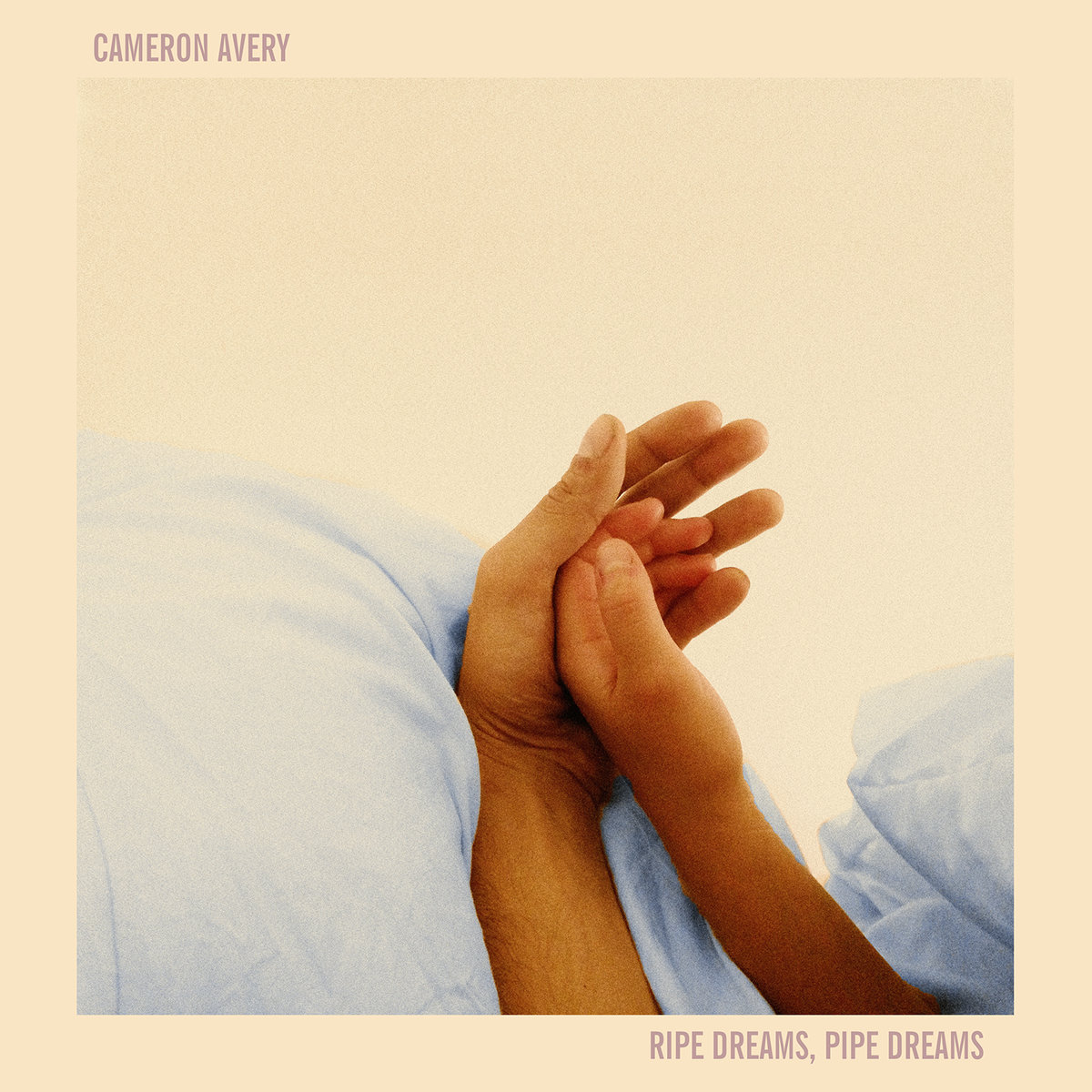
Tame Impala's Cameron Avery Drops Psych Rock for Art Pop on 'Ripe Dreams, Pipe Dreams'

Music ReviewSean McHughComment

Remember how Andy Shauf kind of “came out of nowhere” with one of the best albums of 2016 (The Party)? It was beguiling, challenging, and met with rapturous acclaim. Everyone loves a dark horse (for the most part).

That being said, music most certainly is not a competition in which one artist challenges an incumbent band for some intangible trophy; It's been hammered home as being wholly subjective. Then again, it's hard to deny when there’s a debut that’s so moving, mighty, and majestic you can’t help but think it’s a cut above the rest.

Point and case – Cameron Avery and his debut solo LP, Ripe Dreams, Pipe Dreams.

The record is an absolute and unequivocal triumph (yes, I know – “Yeah, well, that’s just, like, your opinion, man.”), as Avery all but abandon’s the trappings of his more publicized musical associations.

For the uninitiated, a quick Wikipedia dive will inform you of Avery’s involvements with psych dynamos Tame Impala and POND, as well as some auxiliary work with The Last Shadow Puppets, and fronting his own band, The Growl. Let’s take a moment for the fan boys to settle themselves after writhing with elation at the sumptuous smorgasbord of indie music that is Avery’s resume-to-date. But that’s neither here nor there – we’re focusing on Avery’s newest (and arguably, his finest) project, Ripe Dreams, Pipe Dreams.

In a word, Ripe Dreams, Pipe Dreams is sublime. Avery’s departure from psych rock and subsequent re-orienting toward spaghetti-western-meets-cinematic-lounge-music is a thing of beauty; It's a near master class level of seamless transition.

Where the majority of Avery’s musical projects rest soundly within the realm of neo-psychedelia, Ripe Dreams, Pipe Dreams is about as nebulous in genre as one could hope for. Granted, there’s a distinctive (albeit indeterminate at times) emotion to each song that serves as the thru line to the album as a whole; well, that, and Avery’s dramatic baritone. Everything else on the record seems to take its own liberties of expression, in turn making for a magnificently mercurial sounding work of art.

Take the opening pair of tracks on Ripe Dreams, Pipe Dreams – “A Time and Place” and “Do You Know Me By Heart” – the former of the two has a romantic lullaby feel, with Avery crooning over a smile and display amongst loaded words and passing slurs. Meanwhile, “Do You Know Me By Heart” sounds like cross between '50s/'60s era pop, a la Nancy Sinatra meets modern day lounge pop of Michael Bublé (but a thousand times better).

After flexing his pop prowess muscles, Avery sends the record in a different direction on “Dance with Me,” the would-be Nick Cave-meets-Leonard Cohen spoken singing single that toes the line between sinister and endearing. Meandering baritone guitar and horn blasts ebb and flow with each bemused line of the track – “I’m just a call away / I’m just a plane by day / if you’ll just dance with me.”

Slowly but surely, Avery begins to identify his definitive sound, somewhere between cosmic pop and the aforementioned spaghetti western. “Wasted On Fidelity” touches on "shows to stop / and pills to pop," offering Avery’s most apparent confidence in his narrative, while “Big Town Girl” commences the cementing of Avery’s pop presence. It’s a romantic swerve of cynicism and solicitude that places Jane (aka “Big Town Girl”) at the forefront of Avery’s mind and tongue.

The motifs and themes of Ripe Dreams, Pipe Dreams are suggestive in a way, as the majority of songs center on placing unidentified lovers on somewhat beguiled, somewhat sordid pedestals of existence, which in a way create this gritty realism to the album’s overall narrative. In a way, the songs feel familiar and extraordinary all the same, similar to a Raymond Carver story.

That being said, the heavy baritone in Avery’s voice and his guitar do conjure up imagines of Cormac McCarthy minus the blood and guts. For instance, “Disposable” takes the concept of romantic shelf life and the reality of life’s inconceivable (and mostly inevitable) shortcomings influencing relationships.

So while Ripe Dreams, Pipe Dreams reaches it full form somewhere in the middle of its run, the album still challenges the listener to experience the record on Avery’s terms. “Watch Me Take it Away” is a musical despot’s dream, running from aggressive avant-gardism to 60s power pop to the slightest hint of Impala-esque psych rock, only to be undermined (and ultimately, superseded) by Ripe Dreams, Pipe Dreams’ sublime final third.

Ripe Dreams, Pipe Dreams ends on a run of cinema level of “long songs,” allowing Avery to express his fullest scope of feeling and imbue his ultimate musings in their most effective fashions. There’s “An Ever Jarring Moment,” which serves as just that, following “Watch Me Take it Away,” a near tonal opposite. Then, there’s “C’est Toi,” which out of all the songs on the record, seems to have the longest half-life. In terms of versatility, “C’est Toi” is the warmest of the bunch, all the while maintaining the cynical despondency of the album as a whole. Also, its just a damn good love song.

In maintaining the beautifully mercurial nature of Ripe Dreams, Pipe Dreams, the album ends on the hyperbolic yarn that is “Whoever Said Gambling’s For Suckers.” Its somewhat akin to a Bowie-meets-Cave satirical expansion on the song’s namesake take on the Motorhead lyric. There’s talk of Dale the Dog Trainer and splattering cerebellum on the back wall, a desperado’s tale of bounty hunting noir. Its something wholly unique to the album and Avery’s music itself.

All in all, Ripe Dreams, Pipe Dreams is an intrepid album to say the least. It runs the gamut of genre and challenges any and all conceptions of what an album’s structure should look like. I’d be lying if I didn’t say that Ripe Dreams, Pipe Dreams was a total an unequivocal surprise in its sonic excellence – half because a psych rock album was expected, and secondly, the overall superiority of the record is astonishing. While we may only be a wee three months into 2017, don’t be surprised when you see Avery’s name cropping up here and there come year end list season; I know it will certainly have a place on mine.

Fleet Foxes Announce New Album 'Crack-Up' After Six Year Hiatus, Share Nine Minute Single

Music News, New MusicWeston PaganoComment

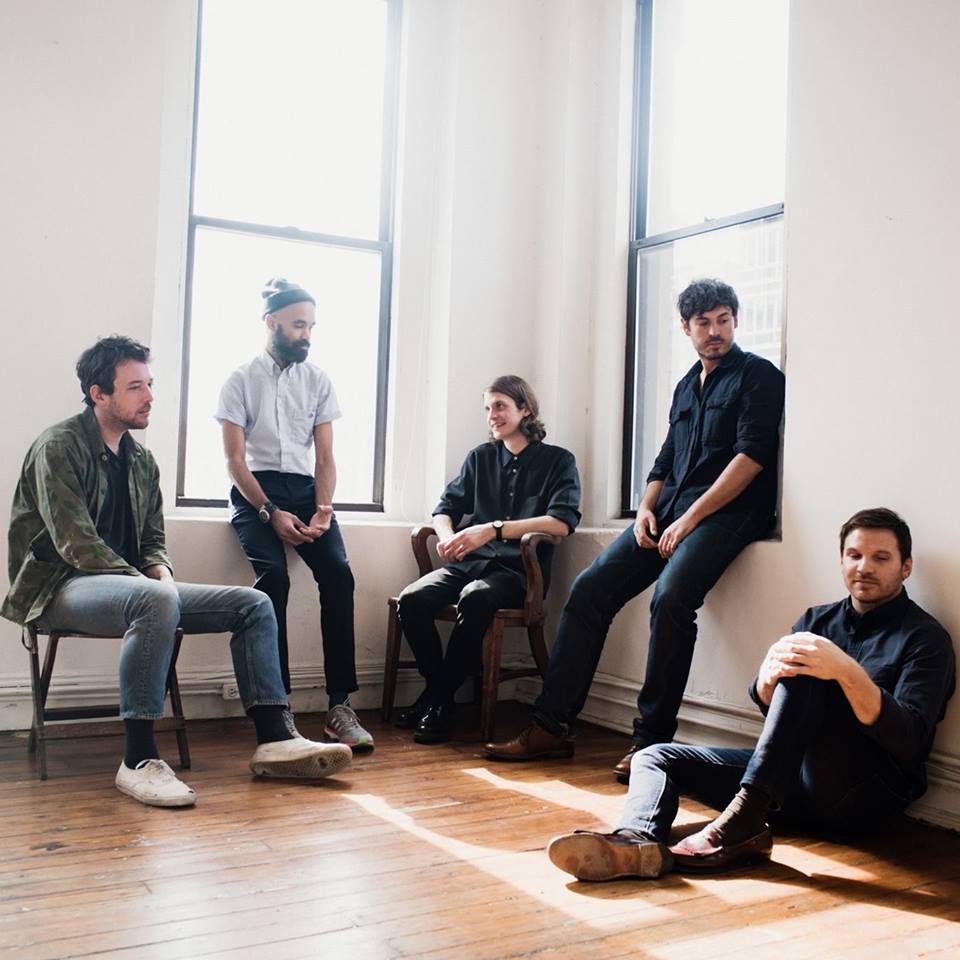
After six long years of teasing hints, their frontman going back to school, and their former drummer reaching peak prominence on his own, Fleet Foxes have finally put a date on their long-awaited return. Crack-Up is due out June 16 via new label Nonesuch, with a first taste being provided through the nine minute epic, "Third of May / Ōdaigahara."

Combining Fleet Foxes' signature soaring vocals with an extended harp outro, "Third of May / Ōdaigahara" finds Robin Pecknold confidently indulging in a sprawling exploration of both his most aggressive folk and minimalist tendencies.

Pecknold wrote all 11 tracks, sharing production duties with bandmate Skyler Skjelset. Skjelset and the band's previous record, 2011's Helplessness Blues, were both born on May 3, lending inspiration to the title of the single, while the album title draws from F. Scott Fitzgerald's essay of the same name. The accompanying visual, which features water color paintings being blown across the page, was created by Pecknold's brother Sean and Adi Goodrich.

In an interview with Pitchfork Pecknold explains, "I feel like Crack-Up begins in pure conflicted solitude and ends in a bright clearing, one of closeness, like the top right hand corner of the photograph on the album cover." Though arriving at the release of their third record has been anything but, well, fleet, it seems the result will be well worth the wait.

Listen, and find album art, tracklisting, and tour dates below.

Fleet Foxes' "Third of May / Ōdaigahara" from the 2017 album Crack-Up. Video by Sean Pecknold & Adi Goodrich. Get the track now when you pre-order the album: http://smarturl.it/CrackUp.all See Fleet Foxes on tour: http://fleetfoxes.co/ /// https://www.facebook.com/fleetfoxes https://www.instagram.com/robinpecknold/

Crack-Up

  1. I Am All That I Need / Arroyo Seco / Thumbprint Scar
  2. Cassius, -
  3. – Naiads, Cassadies
  4. Kept Woman
  5. Third of May / Ōdaigahara
  6. If You Need To, Keep Time on Me
  7. Mearcstapa
  8. On Another Ocean (January / June)
  9. Fool’s Errand
  10. I Should See Memphis
  11. Crack-Up

alt-J Announces New Album 'RELAXER,' Drops "3WW" Single and Music Video, Tour Dates

Music News, New MusicWeston PaganoComment

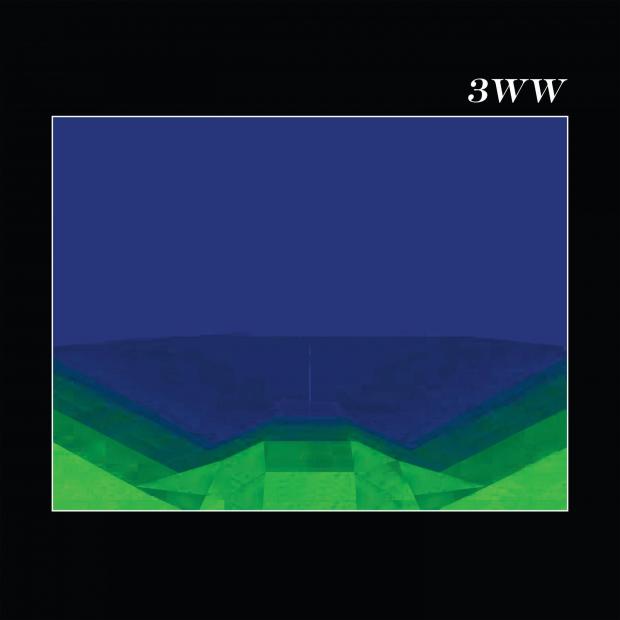
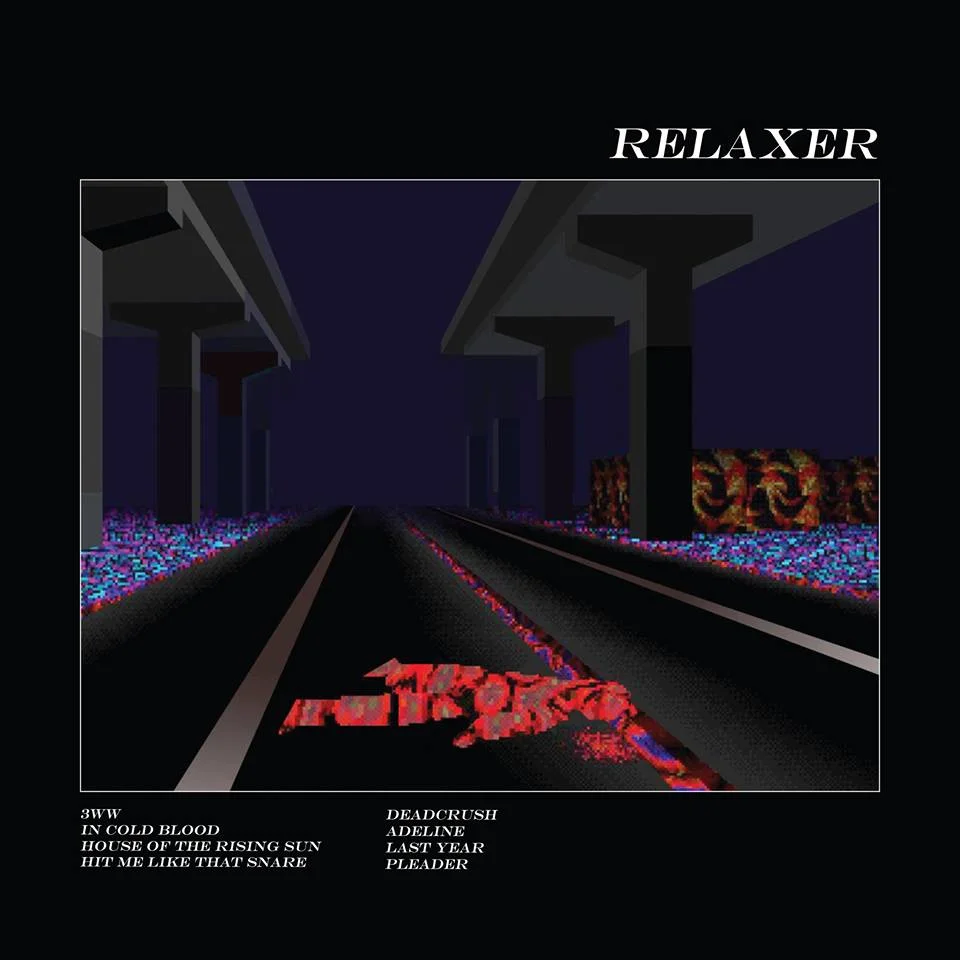
Three years after releasing their sophomore record This Is All Yoursalt-J have returned, with a forthcoming release titled RELAXER due out June 9 via Canvasback. The announcement is accompanied by lead single "3WW" as well as cover art, tracklisting, and international tour dates, all of which you can find below.

"3WW"'s soft acoustic tones and long intro result in what is a relatively gentle and straightforward single by alt-J standards, and whereas last cycle saw the band joined by an off-the-wall Miley Cyrus sample on "Hunger of the Pine," the Ellie Rowsell (Wolf Alice) feature here makes more sense, seamlessly adding subtle dynamism and harmony to the understated track. The accompanying visual depicts a glitchy medley of scenes from the bizarre Playstation game LSD: Dream Emulator, from which the LP's art direction appears to also be derived.

In addition to drummer Thom Green's 2016 solo release High Anxiety, a statement from the band notes during their break "Gus [Unger-Hamilton] opened a restaurant; Joe [Newman] has been watching a lot of films."

Listen below.

Caution: Contains Flashing Images Stream on Spotify or Apple Music: https://alt-j.lnk.to/3wwID From the forthcoming album RELAXER out June 9th. Pre-order here: https://alt-j.lnk.to/RelaxerID THIS IS NOT THE OFFICIAL VIDEO Animation by Mario Epsley / Keepitvisual

RELAXER:

  1. 3WW 
  2. In Cold Blood 
  3. House of the Rising Sun 
  4. Hit Me Like That Snare 
  5. Deadcrush 
  6. Adeline 
  7. Last Year 
  8. Pleader

EXCLUSIVE PREMIERE: Norway's Martinus Shares Jangly Love Story on New 'Holly' EP

Exclusive Premiere, New MusicWeston PaganoComment

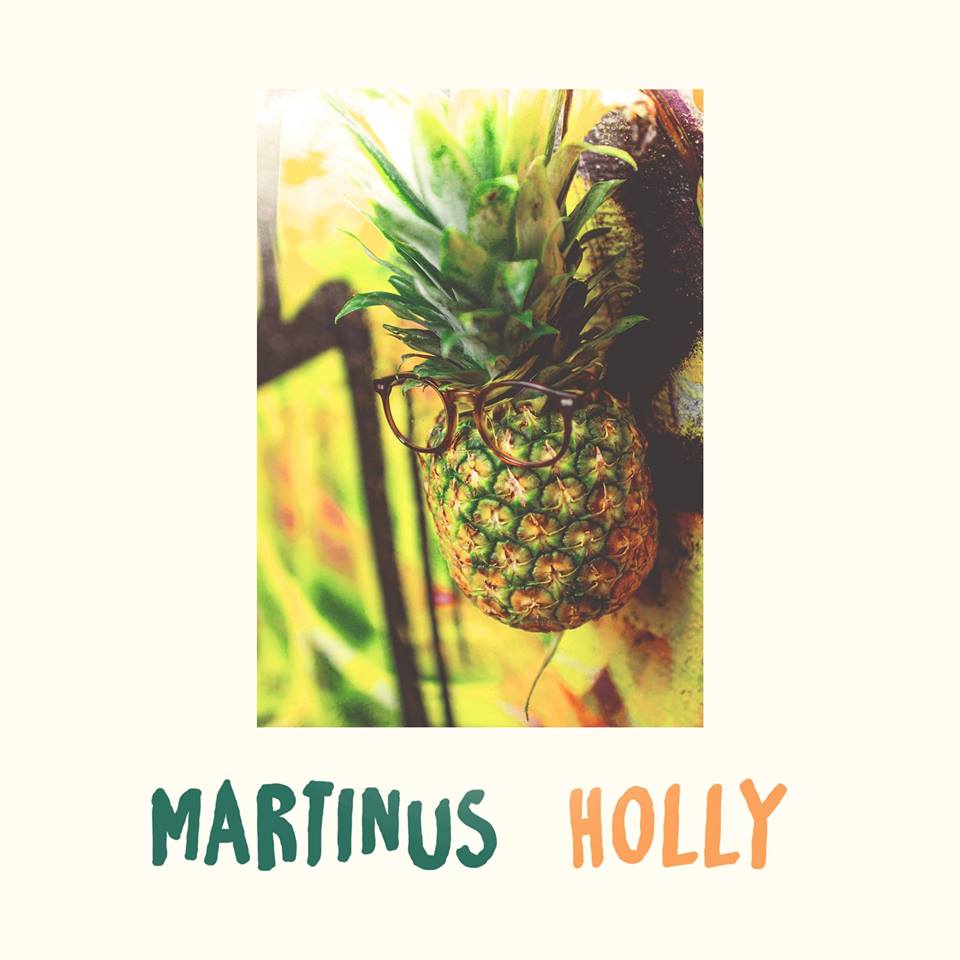
Martinus, the Stavanger-bred, Leeds-based project fronted by its Norwegian namesake Martinus Bjerga, has self-released a second EP titled Holly, and Transverso is proud to premiere it here.

Holly's jangly, nimble guitar can easily evoke Mac DeMarco comparisons, though Martinus' softer side is also reminiscent of Norwegian compatriots Kings of Convenience. Sweetly melodic but with a capable rock punch, the four tracks delightfully combine some sunlit hooks and subtle vocal harmonies with odds and ends like a vintage cigarette ad sample.

Bjerga explains,

I try to write approachable indie pop - the kinda music you can put on in your backyard with your friends. Chill and easy to like, but with catchy melodies that sneak their way into your brain. The EP we just released, ‘Holly,’ is essentially about this girl. It’s a love story. But isn’t all music?

I think the greatest thing about this EP is that I found this tiny 4 watt Vox amplifier from the ‘70s that sound so rad. The recording process was so much fun. It’s partly recorded in Norway in three different locations, and the rest we did in Leeds after I moved to the UK. In other words, I have tons of friends on this record, all doing their part. It’s been a ride.

You can buy Holly digitally here, on tape cassette if you're lucky enough to catch the band in person, or stream below.

Thundercat's 'Drunk' Stakes Early Claim to Best Weird Album of the Year

Music ReviewSean McHughComment

While the discussion of musical merit with regard to Thundercat’s newest LP, Drunk, will almost certainly remain indeterminate (but skewing positive), one thing is certain – Drunk has the best artwork of 2017 by far and away. Totally devoid of context, Stephen Bruner’s head is visibly breaching or submerging with eyebrow cocked.

The cover’s uniform absurdity might confuse those unfamiliar with Thundercat’s oeuvre to date, but for those “in the know” when it comes to Stephen Bruner’s sensibilities, they’ll assure any doubters the cover encapsulates the entirety of Thundercat’s sensibilities masterfully. That being said, so does the music.

Being Flying Lotus, OFWGKTA (R.I.P), Kamasi Washington adjacent, Thundercat has been seemingly omnipresent amongst hip-hop’s best and brightest, all the while maintaining relative anonymity. Over the years, Thundercat forged creative partnerships with Kendrick Lamar and the aforementioned Washington, simultaneously expanding his solo repertoire to boot.

Lo and behold, Thundercat drops an album like Drunk, a 23-track powerhouse showcasing the furthest bounds of Stephen Bruner’s musical eccentricities. Running the gamut of music from yacht rock (Michael McDonald and Kenny Loggins feature on “Friend Zone”) to the now two-year old Thundercat standard, “Them Changes,” Drunk solidifies Thundercat’s borderline satirist necessity in this new era of hip-hop.

If Kendrick is new-age hip-hop’s conscientious objector, Chance its purveyor of joy, Childish Gambino its Renaissance man, and Drake its stalwart of popcaan (that’s a joke), then Thundercat is the court jester. Point and case – the first full-length track on Drunk, “Captain Stupido.”

Yet another Thundercat/Flying Lotus collaboration, “Captain Stupido” is the perfect convergence of Flying Lotus’ brash g-funk production style and Thundercat’s… let’s just call it “inspired” lyrical proclivity. Opening with the line “I feel weird (comb your beard, brush your teeth) / Still feel weird (beat your meat, go to sleep),” the track dives right into the playful juxtaposition Bruner forces upon the tight production for a song about an ill-fated night at the club. It has the tenants of hip-hop, all the while laughing in the face of the conformity of such an “unabashed” genre.

Seeing as Drunk is in fact a 23-track voyage of space funk, trip-hop, g-funk, and every other brand new iteration of the new-age hip-hop family tree, it might serve us best to take some quick hits of standout moments on the record rather than building a blow-by-blow account (your attention span can thank me later, after your 10th h3h3 video).

“A Fan’s Mail (Tron Song Suite II)” takes some of the smoothest break beats and sends them straight to the back of the mix, with the occasional snare hit creeping to the front at a particularly fat break. While the groove is working itself up, Bruner decides to present a hook worthy of a meme loving hip-hop head – “I want to be a cat” with faint “meow, meows” echoing in the middle of the mix. If anything, Thundercat is solidifying himself as a meme’s musician.

Realistically, Drunk is more of a hip-hop adjacent record that has every intention of masquerading as an R&B record, but lost in the midst of a mushroom-laden vision quest. Or, in layman’s terms, Drunk is whatever the hell Thundercat wants it to be. I mean, look at “Show You The Way,” one of the earliest singles for the album. As referenced earlier, it features two legends of yacht rock – Michael McDonald and Kenny Loggins – alongside Thundercat and Flying Lotus. While the combination might seem like the “Danger Zone” of “collabos” in 2017, it’s a near lock for front-runner for best collaboration of the year (please let it be true; anyone would be better than another half-baked Chainsmokers song).

There are other memorable moments on Drunk – the anticipatory Kendrick feature, “Walk On By,” and iPhone alarm sampling “Friend Zone” – but one could (and should) argue that the best moment on Drunk comes in the one-two punch of “Blackkk” and “Japan.” The two tracks take some of Thundercat’s finest production and throws on a nice flair of freak-out funny lyricism. “Blackkk” sets the scene of a west coast lounge groove before entering the R&B night crawler that is “Japan.” One listen to “Japan” and you’ll hear lines like “gonna eat so much fish / I think I’m gonna get sick” and “gonna blow all my cash on anime.” If that doesn’t elicit a chuckle or two I don’t know what would.

So there you have it, Drunk is a lot of things, but it can be said with great confidence that they are a lot of good things. You’d be hard pressed to find a heavy moment, thematically speaking, but there’s plenty of content to dive into from a musicality standpoint. Then there’s the literally absurd lyricism – “look at this mess, who’s gonna clean it up?/Oh my god, where’s Captain Planet?” – Stephen Bruner has really set the bar high when it comes to making the tightest, casual R&B, hip-hop record of the year. For the time being, Thundercat holds the belt for 2017’s finest satirical absurdist album, that is until Father John Misty drops Pure Comedy.  

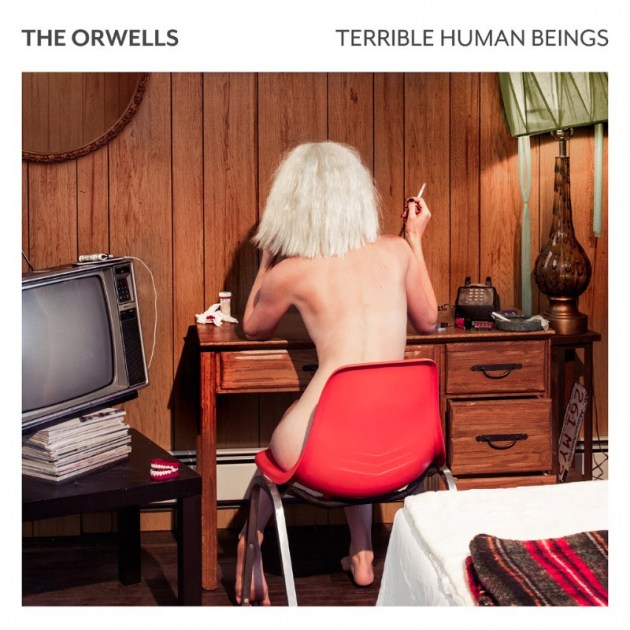
If "Good Songs Make Ya Rich" The Orwells Prosper on 'Terrible Human Beings'

Music ReviewVincent BlackshadowComment

Even though they’ve only been around for two and a half records, it’s hard to deny that The Orwells have already earned some polarity. They’re not as controversial or divisive as, say, Obamacare or Passion of the Christ— but considering the plague of apathy that has replaced most record collections, they’re not doing half bad. Or maybe they are doing exactly half bad: Some people love ‘em, and some people hate ‘em.

It makes perfect sense that their most recent and decent contribution is titled Terrible Human Beings.

I’m no statistician, but I’m learned enough to know that the rowdy Chicago— sorry, Elmhurst— two-car-garage rock quintet is not always viewed in a positive light by their hometown music enthusiasts. Many local patriots lament the band’s popularity, claiming that their Letterman-induced “like-spike” went straight to their heavy heads. Other natives pounce on the opportunity to share rumors and unflattering stories starring the band members.

One thing is for sure, though— there are some fucking good songs here.

Recorded in a month at Steve Albini’s Electrical Audio (good heavens, talk about divisive), Terrible Human Beings doesn’t exactly pick up where 2014’s summery Disgraceland left off. Gone are the Strokesy “Who Needs You”s and the bright, youthful drum production. This record is just sonically deeper, tighter, and darker. However, partiers need not worry— The Orwells have hardly stopped having fun, and the new record expands on some of the better ideas expressed on their earlier stuff.

Relax. The band is quite literally all growed up, that’s all. 

"They Put a Body in the Bayou” opens, in all of its mod-revival glory. Band spokesperson and guitarist Matt O’Keefe can’t quite remember where it came from, but it fluently establishes the album’s theme of slightly fucked-up pop songs.

“Alright, make it quick—good songs make ya rich...”

Another stark contrast between Terrible Human Beings and the earlier ‘Wells output is singer Mario Cuomo’s surge in lyrical maturity. I mean, it’s not that we weren’t satisfied with his “gimme a smile, then take off your pants” shtick, but he’s far more effective here, celebrating new topics such as insanity and vengeful decapitation in the same slacker drawl.

Cuomo notes that his younger bandmates are partially responsible for pushing him out of his lyrical (southern) comfort zone. From the political hints in “M.A.D.” and “Vacation,” to the romantic mutiny of “Ring Pop,” and a tribute to one of America’s most underrated songwriters in “Black Francis,” the gangly frontman’s snarly sentiments cleverly stumble on the line between stupid and smart.

'John Wick: Chapter Two' is Undiluted Action Insanity

TV/Film ReviewEthan WilliamsComment

John Wick: Chapter Two wastes absolutely none of your time in establishing what it wants to be from the very opening frames. On the side of a building, a reel of Buster Keaton plays (a nod to the original stuntman himself) just before a sleek motorcycle comes tearing through, followed by  a black muscle car in hot pursuit. To say things escalate from there puts it lightly, but needless to say there’s about 20 totaled cars and even more bodies piled up before this sequence comes to a conclusion.

The original John Wick was a slow-burn cult classic about a hitman brought out of retirement by the premature assassination of his beloved puppy, a violent romp that found its true audience through the Internet, word of mouth and video on demand. Audiences fell in love with seeing noted Matrix star Keanu Reeves back at his ass-kicking best to take on a gritty revenge tale that knew not to take everything so seriously and to simply focus on making some ludicrously fun action scenes.

And much like the first, Chapter Two prefers the all-killer, no-filler approach to action filmmaking. Director Chad Stahelski and screenwriter Derek Kolstad know exactly how to slim down an action movie to the bare essentials, always opting for a more simple approach in telling a story, whittling it down to something that’s still coherent and interesting, but without overloading the screenplay with anything that doesn’t put the action scenes front and center.

Where the original John Wick explored a simple premise with expert precision and a tongue-in-cheek approach to its own inherent silliness, the second chapter opts for something much bigger and badder, but still somehow never sacrificing the commitment to wildly entertain you or bog the story down with unnecessary fluff. Yes, John Wick is brought out of retirement for revenge once more, but this time Wick has to trot the globe facing off against a diverse set of foes, everyone from a sumo wrestler to the rapper Common.

The criminal underworld hinted at in the first John Wick now becomes the ever-expanding playground full of hitmen and assassins for Wick to face off against, a frankly ridiculous secret society with its own set of rules and codes, giving chapter two an added dose of the fantastical. This is the kind of society where homeless people are hitmen in disguise, two men can try to murder each other in a knife fight on a train without a sign of police, ten henchmen can get their brains blown out on a dancefloor while barely anyone bats an eye… but don’t be fooled, John Wick knows and loves its own inherent silliness and it only invites you to do the same.

But it’s truly difficult not to be won over by the art on display here in John Wick. Much like how one would go see a circus to watch a talented trapeze artist, John Wick is perfectly crafted to showcase the talent of its cast, and especially its star. The John Wick films prefers to shoot close-combat action like a Gene Kelly musical, full of intricate fights choreographed as dances, something best captured in long takes rather than the quick edits we’ve come to expect from so many of Wick’s contemporaries. Reeves executes his brutal ballets with a craftsman’s precision, eliminating rooms of bad guys in beautiful locales, leaving a canvas of blood splatters and a litter of broken arms in his wake.

To go into great detail about John Wick 2’s outrageous setpieces would be to deprive you of some of experiencing their sheer bravado and lunacy, but needless to say it matches the high octane standards set by its predecessor and dare I say exceeds them. There’s hardly any moment of John Wick: Chapter Two that isn’t a delirious amount of fun and it’s better than anything that we really deserved out of a second installment of this franchise. And judging by the packed theater I left this weekend, I think we can all look forward to how another installment could continue to blow our collective mind.

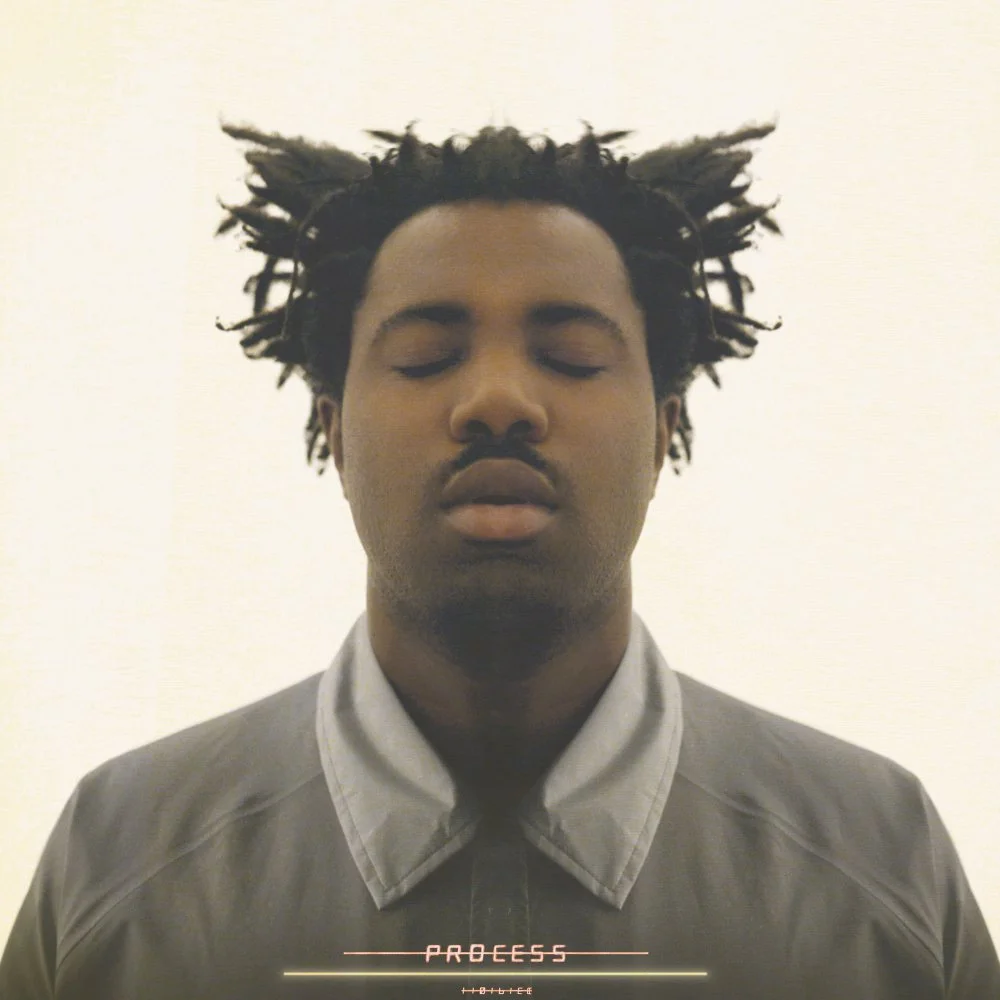
Sampha Scores With Beautifully Textured 'Process'

Music ReviewEzra CarpenterComment

Prior to the release of Process, most understood Sampha’s voice to be more of a texture than as a vehicle for delivering provocations of thought. Breakthrough features on “Too Much” from Drake’s 2013 album Nothing Was the Same and more recent work on Solange’s “Don’t Touch My Hair” (A Seat at the Table, 2016) showcase Sampha’s vocal rasp and urgency as emotionally captivating accents. But there are concerns that predispose those who take on the consideration of Sampha as a solo artist: Can his singularly textural voice stand as a centerpiece for original work? Or is he doomed to be the most desirable complimentary artist in alternative R&B?

Process seizes the essence of Sampha’s beautifully affective voice. The album weaves his soulful baritone into intricate layers of electronic blues and acoustic rhythms, embedding Sampha’s vocals into synthetically and naturally ambient sounds in an organic synthesis. The tone of the songs alternate seamlessly between lush and minimal as the album swells from bare and vulnerable songs like “Take Me Inside” to the thundering bass staccatos of “Under.” In whole, the palate of the album is impressionistic, dabbling in forceful whips of synthetic oscillations and the delicate strokes of sustained piano arpeggio.

The scope of the subject matter on Process is wide and highly emotive, ranging from stories of surrealist disillusions of violence to laments of forlorn love. “Blood on Me” tells of hooded figures in pursuit of a bloodied protagonist. Its instrumental is simultaneously threatening and empowering. Its vocal percussion and ominous piano arpeggio corners the listener, compelling him or her towards some sort of life-saving action with a sweat-inducing degree of invigoration. Changing pace nearly halfway through, the album frames its single “(No One Knows Me) Like the Piano” between sounds of thunderstorms and a tranquil rainforest. The song inspires sentimentality and nostalgia through lyrics that pay homage to childhood and a piano section so classical in its structure that it is reminiscent of a child’s recital.

Sampha’s idiosyncratic vocal delivery does not muffle the potency of his incisive songwriting. The precision and variety in his songs’ lyrical matter compare to the provocativeness of his earnest croons. His brand of experimental R&B qualifies him as a peer to James Blake, although Process’s melodic nature earns itself a catchiness that wins over fans in a way that the masses would never respond to Blake, especially with his recent work. This understanding of the formulaic, yet subtle and unique, nature of Sampha’s production ultimately leads us to consider the album’s title, which flaunts Sampha’s control over his art. He is an artist with an ear for what wins listeners and a direction that circumvents the monotony of R&B’s most vacuous motions.

In response to the question of whether or not he can stand out as a solo artist, Sampha has demonstrated that he does best not in fashioning himself as the centerpiece of experimental R&B music, but in elevating every element of his music to a full-bodied and alluring creative experience. Process gets contemporary R&B music right in a way that many of his competitors have not. In his first bloom, Sampha refines coarse notions of soulful experimentalism and tests the standard for modern black art.